Baltimore, MD area6 AM - 7 PM · 7 days a weekDog Training since 2001
Hand signal: flat hand sweep

Aggressiveness Correction

Aggression is not one problem. It is a set of very different problems that look the same from the outside, and the reason so much aggression training fails is that the plan gets chosen before anyone works out which one is in front of them.

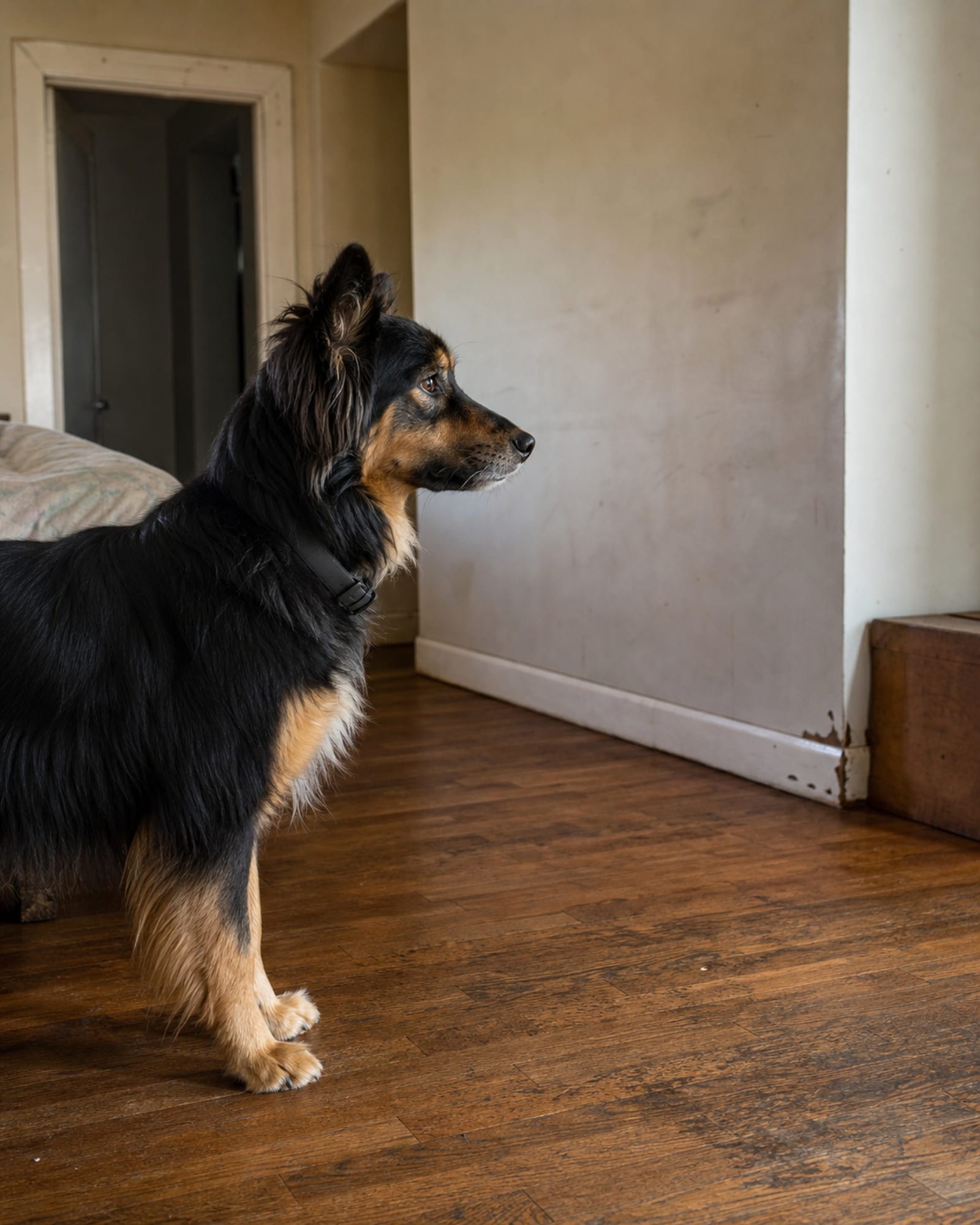
A dog standing square and settled in a plain interior, full body

A dog standing square and settled in a plain interior, full body

At a glance

Starts with
Assessment, always
The cause decides the plan. Nothing is sold before that.
What it is
A behavior specialty
Delivered through a program, never sold on its own.
Covers
People, dogs, handling, territory
Evaluation
$100, in your home
Rolls into the training fee.

Aggression is a symptom, not a diagnosis

When a dog lunges, snaps or bites, that is the end of a sequence, not the start of one. Two dogs can produce the identical behavior for completely different reasons, and the reason decides what actually helps. Get it wrong and you will spend months making a dog worse while doing everything the video told you.

Fear is the most common one by a distance. A frightened dog that cannot escape learns that making a scene works, because the scary thing goes away. Frustration looks almost identical on a leash and is the opposite problem: that dog desperately wants to get to the other dog and cannot. Then there is guarding, which has its own page. There is territorial behavior at doors and fences. And there is pain, which is more common than anyone expects and does not respond to training at all.

So I do not sell an aggression package. I assess first, in your home, and then tell you what I think is driving it and what I would do. Sometimes that conversation ends with me telling you this needs a veterinarian before it needs me.

Aggression correction is a specialty rather than a stand-alone service. Once we know what we are dealing with, it is delivered through in-home private lessons, Kick Start, or board and train.

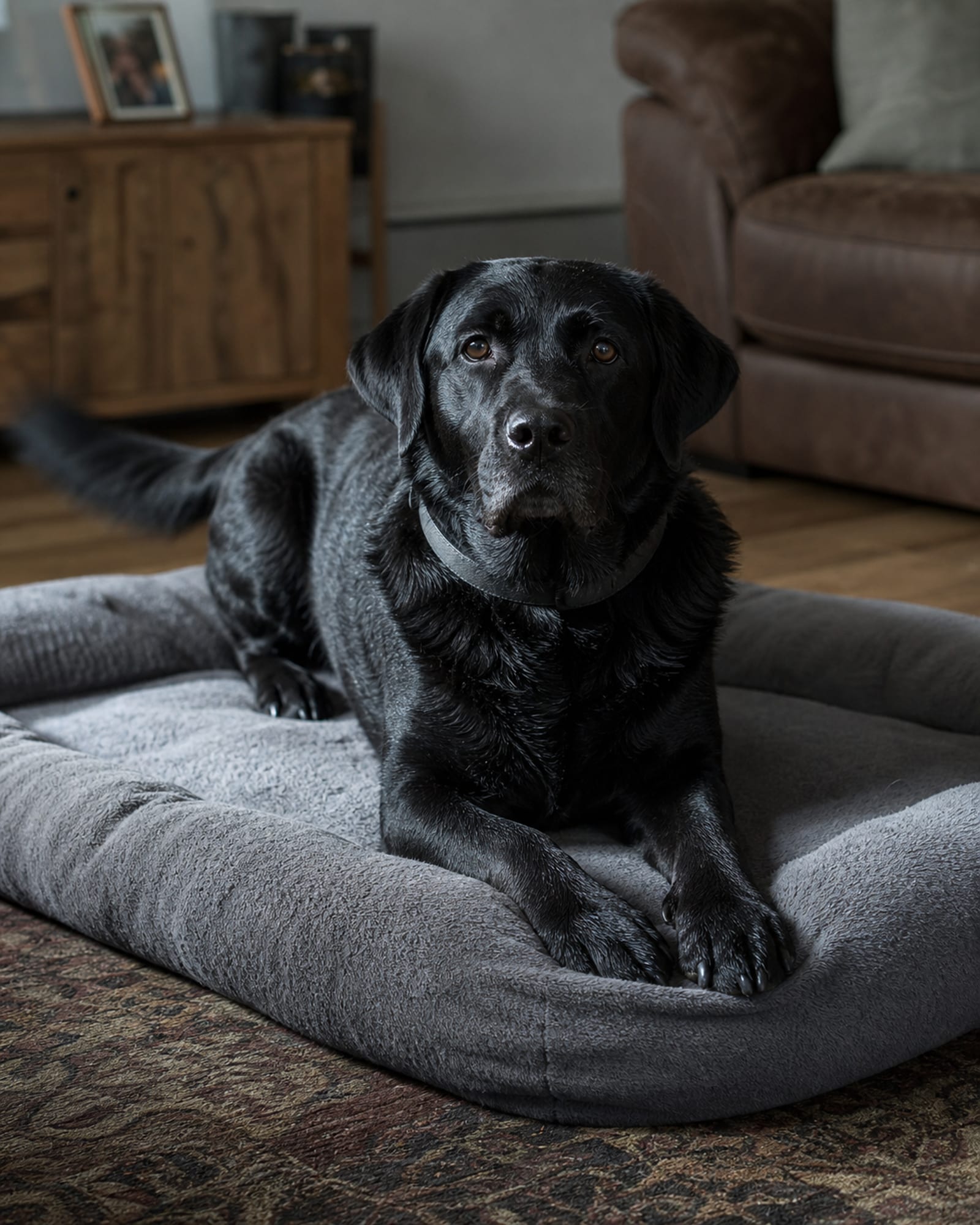
A dog lying calm on a bed in a family living room

A dog lying calm on a bed in a family living room

What I assess, and why the detail matters

This is the list I work through at the evaluation. Every item changes the plan.

01

Who or what it is directed at

Strangers, family, children, men, other dogs, dogs of one size, people in hats, the mail carrier. A dog that is fine with everyone except one category is telling you something specific, and that specificity is usually good news for the prognosis.

02

The distance it starts at

The range at which your dog first notices and stiffens is the number the whole plan is built on. Everything we do happens below it, because a dog over that line has stopped learning and is only rehearsing.

03

The warning ladder

What comes first: the freeze, the hard stare, the lip, the low growl. Dogs that still show these are safer than dogs that do not, and a dog whose warnings have been punished out is the harder case, not the better one.

04

Bite history, honestly

Whether there has been contact, whether skin was broken, how many times, and what happened around it. This is the single most important thing you can tell me and the one people most want to soften. I need the real version.

05

What happens immediately after

Does the dog get taken away, does the trigger leave, does everyone shout. The consequence is what maintains the behavior, and it is very often something the household is doing without meaning to.

06

The setting

Doorway, kitchen, on leash, in the car, behind a fence, on the sofa. The same dog can be entirely different in each, and I need to see the actual rooms rather than hear about them.

Safety comes before training

Before any behavior work starts, the household gets a plan that stops the incidents happening. That is not a delay to the real work, it is the first part of it. Every time a dog rehearses aggression it gets better at it, so the fastest route to progress is usually to stop the rehearsals immediately.

That means gates, doors, leashes, changed walk routes and changed times, and sometimes a straightforward conversation about which visitors come in for now. It is not permanent, and it is not a punishment for the dog. It is the thing that buys us room to work.

If there are children in the house we start there, and I will be direct: supervision is not a safety plan. Supervision fails at the exact moment somebody is tired, the phone rings, and a child walks through the room carrying food. Physical separation is what works while the training happens.

I also teach muzzle conditioning where it is warranted, and I would ask you not to hear that as a judgement on your dog. A properly fitted basket muzzle that the dog has been taught to love is a tool that lets a dog go out into the world safely rather than being shut in a back room. Muzzled dogs get more freedom, not less.

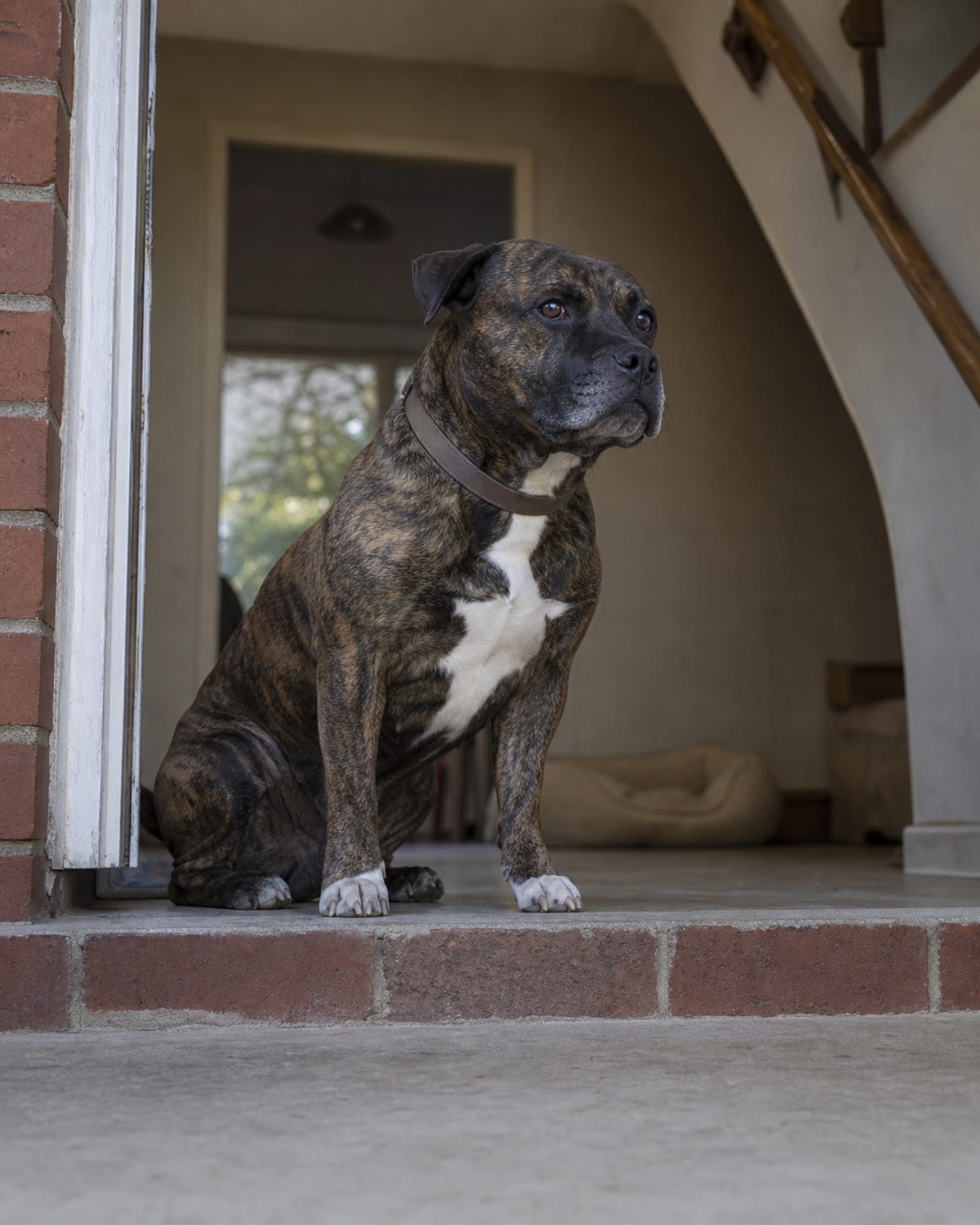
A dog sitting at a threshold waiting to be released

A dog sitting at a threshold waiting to be released

How the work actually goes

  1. 01

    The evaluation

    $100, in your home. I gather the history and watch the dog in its own setting. I do not provoke the behavior to see it; I have no interest in putting your dog over threshold to confirm what you have already told me.

  2. 02

    Management, from day one

    The plan that stops the incidents. Most of the immediate risk in a household drops here, before any training has happened, and it is what makes the rest possible.

  3. 03

    Working under threshold

    We work at a distance where your dog can still think, and change what the trigger predicts. This is the unglamorous middle of the process and it is where the actual change happens. Pushing closer too early is the single most common way people undo their own progress.

  4. 04

    Giving the dog something else to do

    A dog needs a response that works better than the one it has. Turning to you, moving away, holding a position. Removing a behavior without replacing it leaves a hole, and the dog will fill it with something.

  5. 05

    Your hands, then the follow-up

    You have to be able to do this without me, in real situations, because I am not there on the Tuesday your neighbor's dog gets loose. The handover is part of the program and so is what happens after it.

What I will tell you honestly

Aggression is managed and improved. It is not deleted. Any trainer who tells you they will make your dog safe with everyone forever is selling you something nobody can deliver, and in this particular subject that promise is dangerous rather than merely optimistic.

What is realistic for most dogs is a considerably larger life: walks that are not a nightmare, a household that can have people over, a dog that can be handled at the vet, and a set of situations you can now predict and manage. For many dogs the change is dramatic. For some it is real but limited, and you deserve to know which you are looking at before you spend money.

I will also tell you when the answer is not me. A dog whose behavior changed suddenly goes to your veterinarian first, because pain changes everything about how a dog responds to being approached, and training on top of an undiagnosed problem punishes a dog for hurting. A dog with a serious bite history, or one so aroused it cannot learn anything, may need a veterinary behaviorist working alongside the training, sometimes with medication to get the dog calm enough to learn at all.

And there are real legal consequences to a dog bite in Maryland. I am not the person to advise you on that, and I would not pretend otherwise, but it is a reason to act now rather than after a second incident.

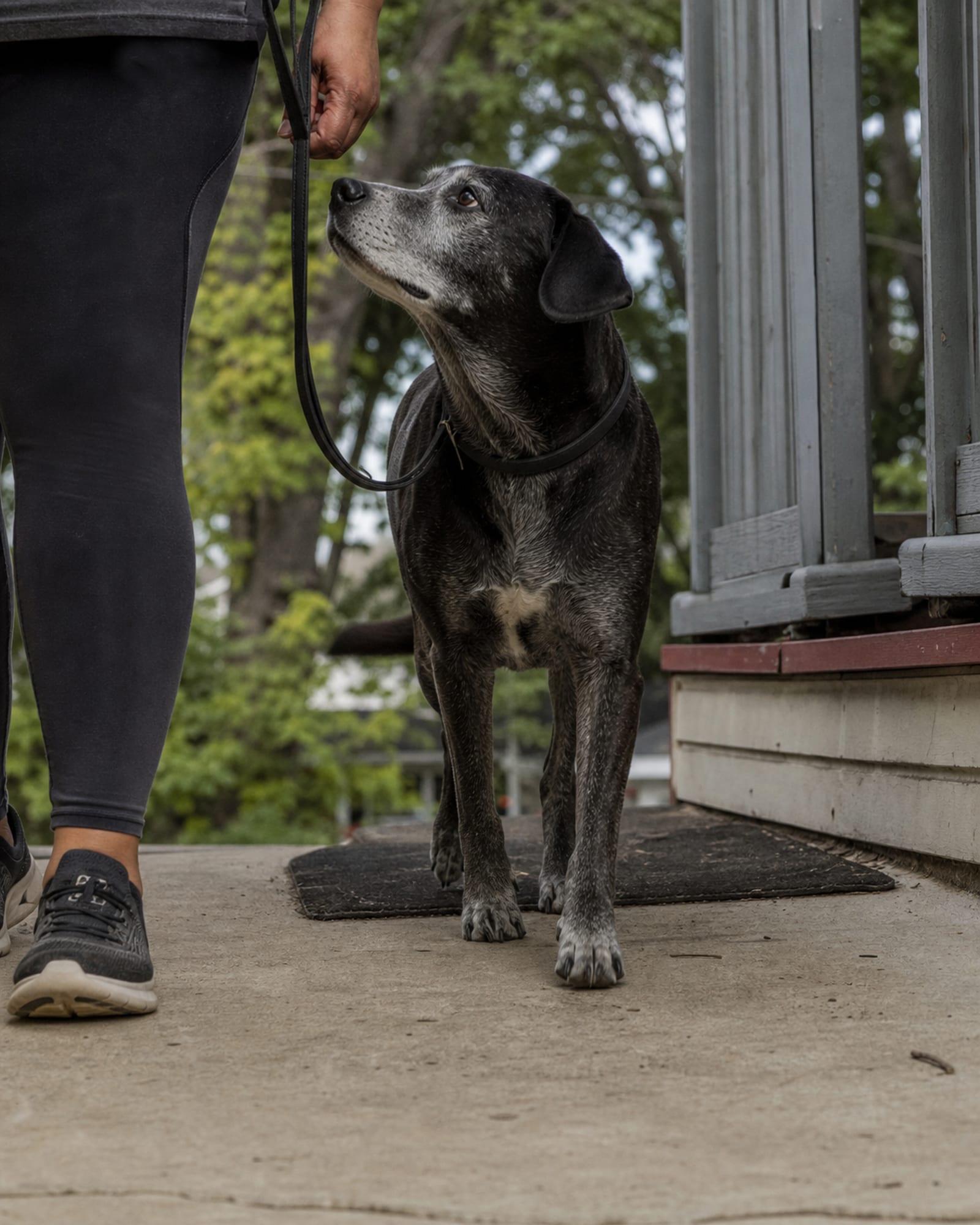
A dog walking at heel beside a handler's lower legs, cropped at the knee

A dog walking at heel beside a handler's lower legs, cropped at the knee

Questions people ask

Can an aggressive dog be cured?
Managed and substantially improved, yes, often dramatically. Cured is not a word I use, because behavior under stress is never fully guaranteed. The realistic goal is a bigger, safer life for the dog and a household that can predict and handle it.
My dog growls at me. Should I punish that?
No. A growl is a warning, and punishing it teaches the dog to skip the warning rather than to stop feeling threatened. A dog that goes from still to teeth with nothing in between is far more dangerous than one that growls.
He has bitten once. Is it too late?
No, and it is a reason to start now rather than to give up. What matters is the detail: what was bitten, how hard, in what circumstances, and how many times. Tell me the real version at the evaluation and I will tell you honestly what I think.
Is my dog aggressive or just reactive?
Reactivity is usually an over-the-top emotional response, often fear or frustration, rather than intent to do damage. They overlap and they look similar on a leash. That distinction is one of the things the assessment is for.
Should I get a muzzle?
Often yes, and it is not an admission of failure. A basket muzzle the dog has been conditioned to enjoy lets it go places safely instead of being confined. I will show you how to introduce it so the dog does not resent it.
Can you take him for board and train and send him back fixed?
Sometimes board and train is the right program, but not on that premise. Aggression is tied to your people, your home and your routine, so a dog can do well with me and revert with you unless the handover is done properly.
We have children. Will you work with us?
Yes, and we will start with separation rather than supervision while the work happens. Children are never used as part of the training, and where a dog has directed aggression at a child I will be candid about what is realistic.


Tell me exactly what happened

If your dog has growled, lunged, snapped or bitten, call me at (443) 429-0445. I answer 6 AM to 7 PM, seven days a week. Tell me who it was directed at and what happened just before, and I will tell you honestly what I think is driving it, whether I am the right person, and what it would cost.

Call TodaySend a Message

6 AM - 7 PM, 7 days a week · Baltimore, MD area