Baltimore, MD area6 AM - 7 PM · 7 days a weekDog Training since 2001
Hand signal: two fingers out

Puppy Training

Start at eight weeks, in your own home, on the routine your family actually keeps. House training, crate comfort, calm socialization and the first real obedience, taught to you and your puppy together.

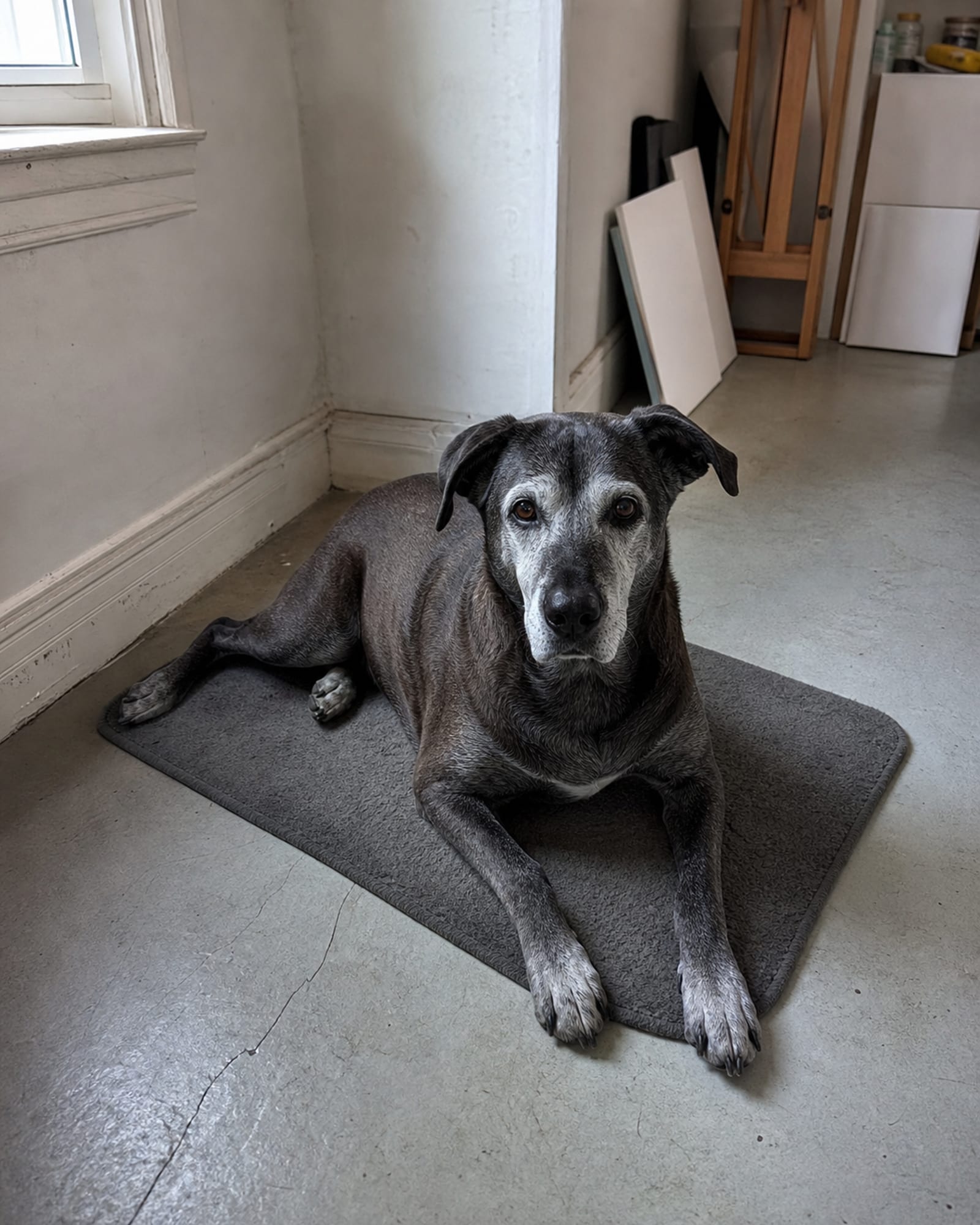
A dog holding a down stay on a mat, room around it

A dog holding a down stay on a mat, room around it

At a glance

Price
From $700
Delivered as in-home private lessons. Payment plans available.
Starts at
Eight weeks old
The 8 to 16 week window is the one you cannot get back.
Format
$100 evaluation plus four one-hour sessions
Where
Your home and your neighborhood

When should puppy training start?

Puppy training starts when the puppy comes home, usually around eight weeks old. You do not wait for six months, and you do not wait for the last vaccination. The American Kennel Club puts simple training at eight weeks, and it flags eight to sixteen weeks as the stretch when a puppy is most open to new experiences. That window closes whether or not anyone used it.

I teach puppy training as in-home private lessons: a $100 evaluation, then four one-hour sessions in your house and your neighborhood, from $700. We cover house training, crate comfort, calm socialization, mouthing, and the first obedience your puppy will actually need. I train you at the same time, because you are the one there at two in the morning.

Most people call me tired. The puppy is up in the night, there are accidents on the rug, the sleeves of every sweater in the house have teeth marks in them, and somebody has told them it is a phase. Some of it is a phase. The rest is a habit forming, and habits are much cheaper to build than to undo.

I have been training dogs in the Baltimore, MD area since 2001. Puppies are the easiest work I do, because nothing has gone wrong yet.

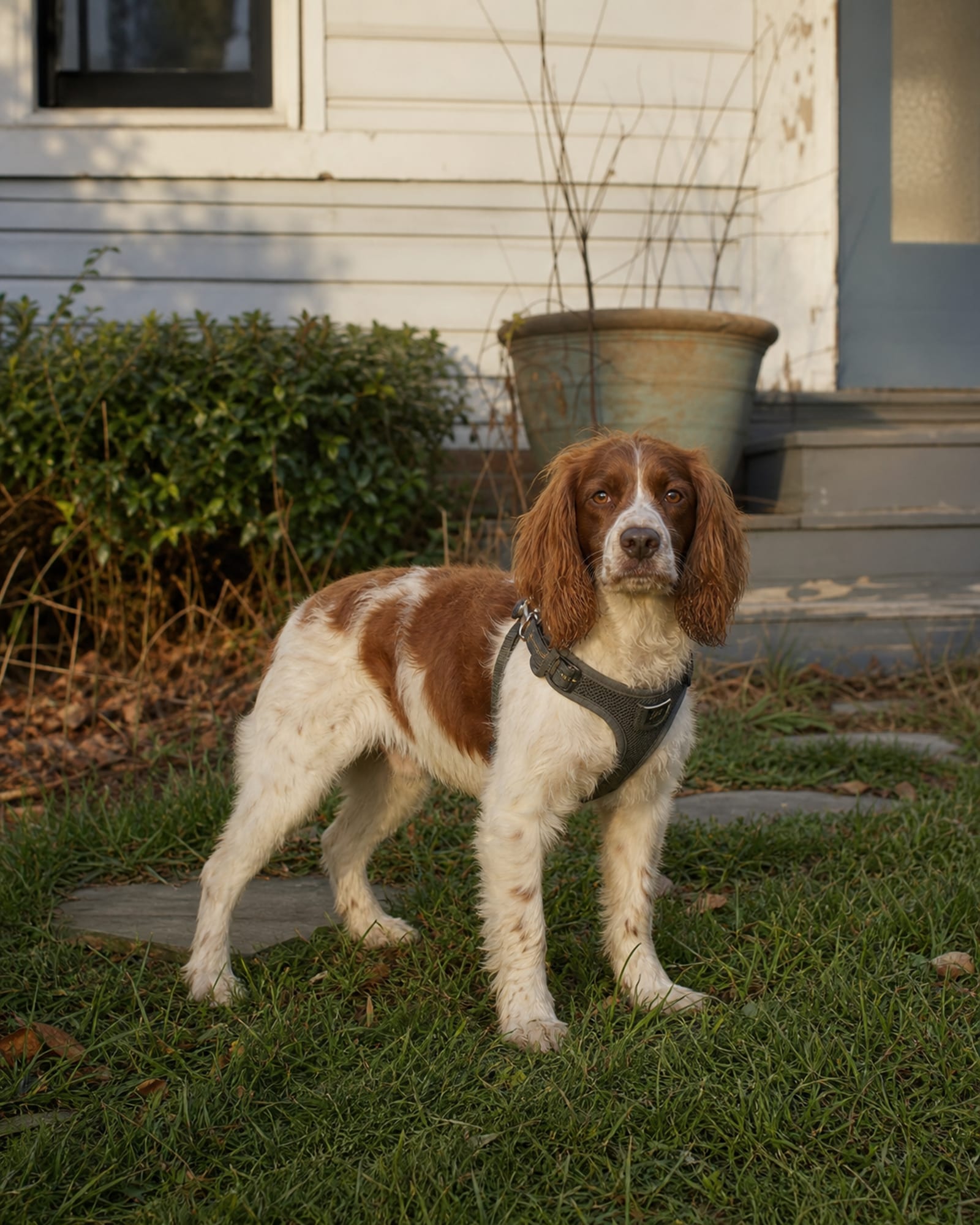
A dog standing relaxed on a lawn, weight even

A dog standing relaxed on a lawn, weight even

What does puppy training cost?

The evaluation is $100. I come to your home, meet the puppy, watch your routine, and tell you what I would do. It rolls into the training fee if you go ahead, and there is no obligation to go ahead. If your puppy does not need four sessions, I will say so at that evaluation rather than after you have paid for them.

Puppy training is delivered as in-home private lessons, from $700. That covers the four one-hour sessions and the written routine your household works from. After the face-to-face work is finished you keep trainer support; I do not stop answering the phone because the fourth session is over.

Payment plans are available. Ask when you book rather than afterwards, so the schedule gets set up alongside the program.

Those numbers are on this page on purpose. You should be able to work out what this costs before you speak to anyone, and decide in your own time, without booking a call to find out a price. The first phone call costs nothing and I will happily talk through your puppy on it. The evaluation is a real hour of work in your home and it is priced like one, which is also why it comes off the training fee rather than sitting on top of it.

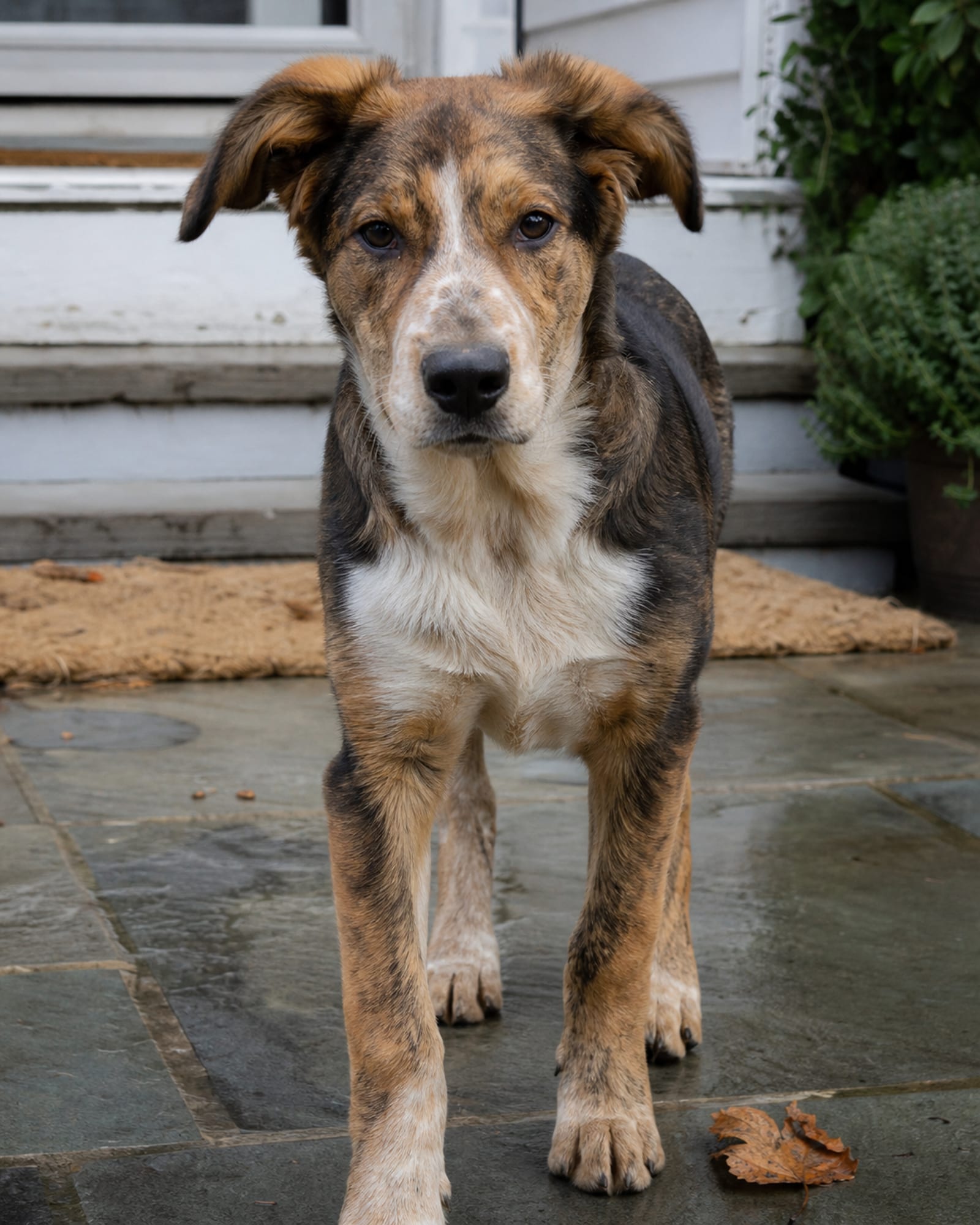
A close vertical of a dog's head and shoulders, attentive

A close vertical of a dog's head and shoulders, attentive

What the lessons cover

Every puppy gets the same foundation. The order changes depending on what is falling apart in your house first.

01

House training

A toilet and rest routine your household can actually keep. A common starting rule is outside at least every two to four hours, and after every change of activity: waking, eating, playing, coming out of the crate. We set the schedule to your puppy's age and to when people are genuinely home.

02

Crate comfort

The crate is built up gradually into somewhere the puppy chooses to go, with bedding and something to chew, door open before it is ever closed. It is never used as punishment. A puppy that can settle alone in a crate is a puppy that can be left, travel, and recover from a busy day.

03

Mouthing and bite inhibition

Puppies use their mouths, and teeth on skin is information rather than aggression. We work on what the mouth is allowed to do, how play stops when it gets sharp, and what to redirect onto. This is also where families with young children get a clear set of rules everyone follows.

Aggressiveness correction

04

Socialization, done properly

Calm exposure to people, dogs, surfaces, traffic and handling at a distance the puppy can cope with. The goal is a puppy that watches the world go by without needing to join in. This is the part most owners get wrong, and it has its own section below.

Socialization

05

Foundation obedience

Name response, sit, down, coming when called, and the beginnings of a loose leash. Short sessions, several times a day, built into ordinary life rather than set aside as training time. A recall started at ten weeks is worth ten times one started at ten months.

Obedience training

06

Handling and real life

Feet, ears, mouth, collar and harness, so the vet and the groomer are not a fight later. Plus the things that actually happen: the doorbell, visitors, stairs, the car, being left alone, and settling while the household carries on around them.

Socialization is not a puppy party

This is where I disagree with most of what you have been told, so I will be plain about it. Socialization does not mean letting every stranger and every dog greet your puppy. The American Animal Hospital Association describes the goal as a puppy that is calm and relaxed around people and animals, and specifically separates that from a puppy party.

A dog park is not socialization. It is a room full of strangers with no rules, and for a nervous ten-week-old it can do lasting damage in an afternoon. I have spent a good part of the last twenty years undoing what happened to dogs in one, usually to owners who were doing exactly what they had been told to do. Introductions you control beat introductions you do not, every time.

What I teach instead is distance. Your puppy sits on a bench with you and watches a busy sidewalk. It sees the garbage truck from across the street. It meets three calm adult dogs you have chosen, not thirty you have not. It learns that the world is interesting and that nothing is required of it. That puppy grows into a dog you can take anywhere.

Distance is the whole tool, and it is adjustable. If your puppy is loose, taking food, and looking away from the thing and back at you, you are close enough. If it has gone still, or stopped eating, or is straining to get to whatever it is, you are too close, and the answer is to move back rather than to push through. Working out where that line sits for your particular puppy, and watching you find it yourself, is most of what we do in the sessions outside the house.

I would rather your puppy see twenty things calmly from thirty feet than one thing badly from three. A puppy that got frightened at twelve weeks remembers it, and the fix at eight months costs considerably more than these four sessions do.

The vaccination question comes up every time, and it is a real one. There is no single exposure rule that fits every puppy, and your veterinarian is the one who knows the disease risk where you live. So the split is simple: your vet decides what is safe, and I build the behavior plan around whatever that answer is. Carrying a puppy, working from a car, using your own yard and choosing known dogs all buy you real socialization while you wait.


How it runs

  1. 01

    Phone call

    You tell me the puppy's age, what it is doing, and what your days look like. I tell you honestly whether puppy training is the right program, and roughly what I would expect. No charge for this part.

  2. 02

    The $100 evaluation

    In your home, face to face. I watch the puppy in the place the problems happen, look at where it sleeps, eats and toilets, and ask what your household can realistically keep up. You get my plan at the end of it whether or not you book.

  3. 03

    Four one-hour sessions

    In your house and your neighborhood, spaced so there is practice time in between. Each session sets what the family works on next. You do the handling while I am there, because a puppy that only performs for me is no use to you.

  4. 04

    The written routine

    You get the toilet, rest, crate and feeding schedule on paper, adjusted as the puppy develops. It is a starting point, not a rule from a book, and it changes as your puppy does.

  5. 05

    After the sessions

    Trainer support continues once the face-to-face work is done. Puppies change fast, and adolescence surprises people around seven or eight months. Call me then rather than starting over with someone new.

House training, honestly

I will not tell you your puppy will be clean by a date. Some puppies take days. Some take months. It depends on age, on what happened before you got the puppy, and almost entirely on how consistent the household is when I am not standing in it. Anyone who promises you a date is selling you one.

What I will tell you is what moves it. Outside at least every two to four hours, and after every change of activity. Go with the puppy rather than putting it out on its own, so you know whether anything happened. Get the cleaning right, because a spot that still smells of urine is an instruction to use it again. And stop treating accidents as defiance. A nine-week-old that wets the floor is not making a point; it did not get outside in time, which is a scheduling problem and therefore yours.

A rough shape for a young puppy looks like this: out first thing, then after every meal, after every nap, after every burst of play, and last thing at night. Overnight, expect to be up at least once early on. Feed on a schedule rather than leaving food down all day, because a predictable input is what makes the output predictable. Write down the times for the first week if you have to; almost everyone who tells me house training is not working turns out to be guessing.

The crate makes all of this faster, which is why we build it early and build it gently. Never as a punishment. A puppy shut in a box after being shouted at learns that the box is the bad thing, and then you have two problems.

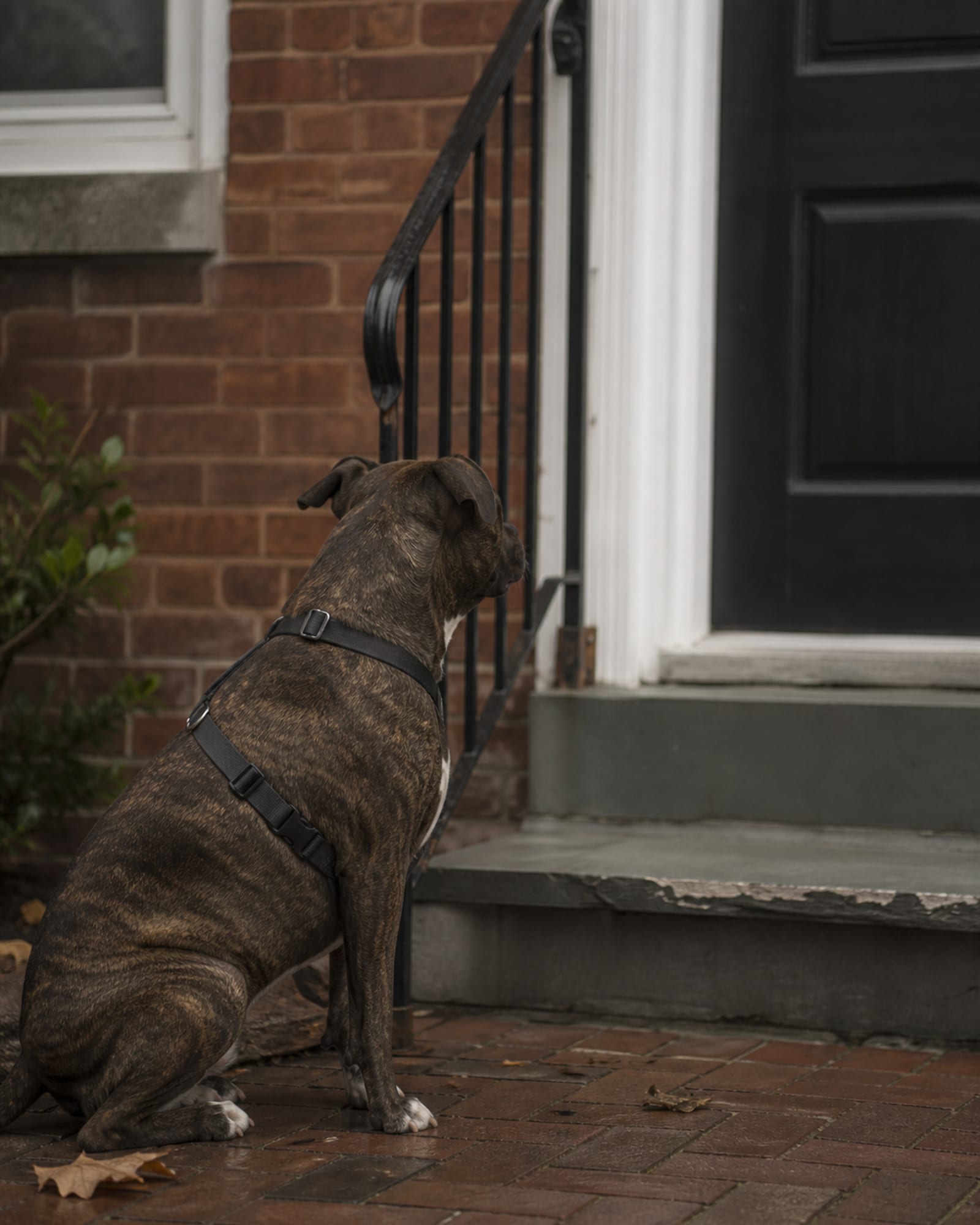
A dog sitting beside a closed door, waiting

A dog sitting beside a closed door, waiting

How to check any puppy trainer, including me

Maryland does not license dog trainers. There is no state exam, no register, and no qualification anyone is required to hold before taking your money and your eight-week-old puppy. That surprises people, and you should know it before you hire anybody, me included.

Certification in this field is voluntary. The clearest independent credentials come from the Certification Council for Professional Dog Trainers: CPDT-KA asks for at least 300 training hours across the previous three years plus a 200-question exam, and CPDT-KSA adds a hands-on assessment. If a trainer claims one, you can check it with the certifying body. If a trainer claims something vaguer, ask what it means and who awards it.

Here is my background, stated plainly, and you are welcome to check any of it. I have been training dogs since 2001. I compete in Schutzhund and IPO, Mondio Ring, and AKC Competitive Obedience, which matters more than it sounds: it means my own dogs get judged by people who are not my clients and have no reason to be kind. I am a member of the American Working Malinois Association. DW Dog Training is affiliated with the International Association of Canine Professionals, the Federation Mondiale Bergers Belges and the American Working Dog Federation, and I am a listed dealer and trainer with E-Collar Technologies. Those are affiliations and a competition record, and I describe them as exactly that.

The other thing worth asking any trainer is where the line is. Mine is medical. If your puppy's behavior changes suddenly, if something hurts, or if you ask me a question about vaccines or health, you get sent to your veterinarian. Training on top of an unexplained physical problem is how a puppy gets blamed for being sore.

Questions people ask

When should puppy training start?
Around eight weeks, as soon as the puppy comes home. The American Kennel Club puts simple training at eight weeks, and eight to sixteen weeks is when a puppy takes on new experiences most readily. Waiting until six months means undoing habits instead of building them.
Can I socialize my puppy before the vaccinations are finished?
Partly, and carefully. There is no single exposure rule that fits every puppy, so your veterinarian decides what is safe where you live and I build the plan around it. Watching the world from a distance, meeting known healthy dogs, and using your own yard all count.
How often does a puppy need to go outside?
A common starting rule is at least every two to four hours, and after every change of activity: waking up, eating, playing, leaving the crate. Younger puppies need it more often. We set the actual schedule around your puppy's age and your household's day.
How long does house training take?
Days for some puppies, months for others. It depends on age, on the puppy's history before you got it, and on how consistent the household is between sessions. I will not give you a date, and I would not trust one.
Do I need private lessons or a group class?
A group class gives your puppy practice around other people and puppies. Private lessons put me in the room where the problem actually happens, watching your real routine, which is what most people need for house training, crate work and mouthing. Some puppies benefit from both.
Is my puppy too young, or too old?
Eight weeks is the usual start. If your puppy is already past sixteen weeks you have not missed your chance; the work just changes shape, and we spend more time on careful exposure. If your dog is over six months, the program you want is in-home private lessons or Kick Start Training instead.
Do you come to my home?
Yes. Puppy training happens in your house and your neighborhood, because that is where the routine lives. I cover the Baltimore, MD area and out toward Washington DC. Call and I will tell you straight away whether you are inside the range.

Tell me what your puppy is doing

If the nights are bad, the floor is a mess, or you just want to get this one right from the start, call me at (443) 429-0445. I answer 6 AM to 7 PM, seven days a week. Tell me your puppy's age and what is going on, and I will tell you honestly what I would do about it and what it would cost.

Call TodaySend a Message

6 AM - 7 PM, 7 days a week · Baltimore, MD area