Baltimore, MD area6 AM - 7 PM · 7 days a weekDog Training since 2001
Hand signal: flat hand, palm out

Biting and Mouthing

Needle teeth on your hands is a completely different problem from a grown dog that has bitten someone, and they get lumped together constantly. The first is normal and fixable in weeks. The second needs assessing properly, and the difference is not how hard it hurt.

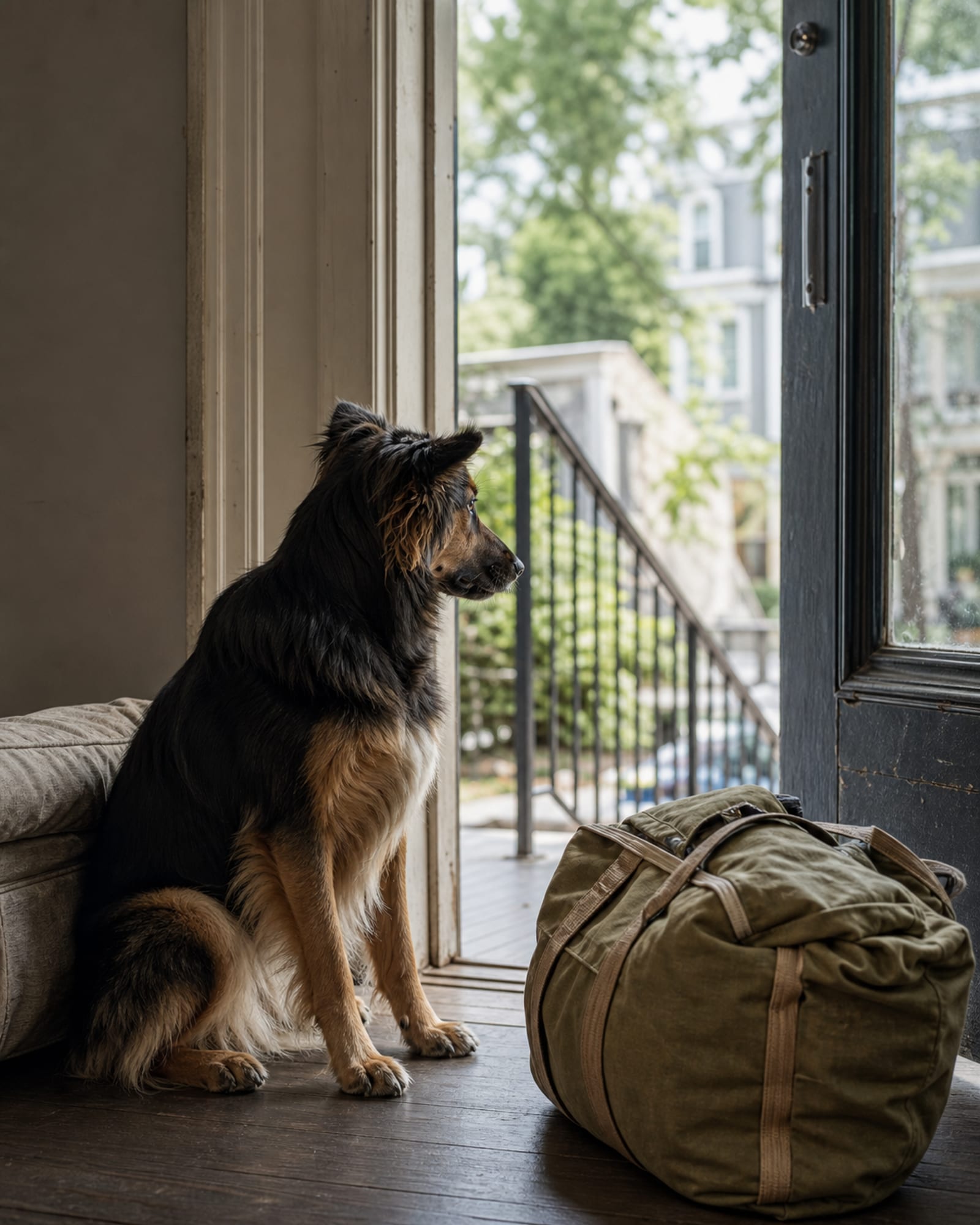
A dog sitting beside a packed kit bag by a front door

A dog sitting beside a packed kit bag by a front door

At a glance

Two problems
Puppy mouthing and adult biting
Same word, entirely different work.
What decides it
The body, not the pressure
Any broken skin
Gets a proper assessment
Evaluation
$100, in your home
Rolls into the training fee.

Which of these is your dog?

Almost everyone who calls me about biting is describing one of two situations, and they need opposite responses.

The first is a puppy. Puppies investigate the world with their mouths and play with their mouths, and a young puppy that grabs your sleeve, your ankles and your hands is doing something completely normal. It hurts, it is exhausting, and it is not a warning sign. This is a training problem with a good prognosis and a short timeline.

The second is an adult dog that has bitten, or that snaps when handled, restrained, approached over something, or startled. That is not the same thing grown larger. It carries risk, it needs a real assessment before anyone starts training, and the fact that the dog is affectionate the rest of the time does not change that.

The reason this page exists is that people spend months applying puppy advice to the second problem, and it does not work. If your dog is over a year old and has put teeth on skin with intent, start from the assessment rather than from a technique.

Either way this is a specialty rather than a stand-alone service, delivered through in-home private lessons, Kick Start, or board and train.


A dog lying in a patch of sun on floorboards, dust in the light

A dog lying in a patch of sun on floorboards, dust in the light

How to tell them apart

The useful signal is not how much it hurt. It is what the dog's body was doing.

A puppy in play is loose. Wiggly, bouncing, mouth open, coming back for more, taking breaks and going again. It might bite far too hard, because puppies have no idea how hard they are biting until somebody teaches them, but the whole animal is soft.

A dog that is frightened or angry is stiff. It goes still first, often for a second or less. The face tightens, the lips may pull, there may be a low growl or a hard stare, and the bite is fast and then over, with the dog wanting distance afterwards rather than more play. That is a different behavior with a different cause, and in a puppy it matters just as much as in an adult.

So the questions I ask are about the sequence, not the injury. What happened immediately before. Was the dog being touched, held, moved, approached while eating. Did it freeze first. What did it do straight after: bounce back in, or retreat. That is the information that tells me what we are dealing with, and it is the information most owners have never been asked for.

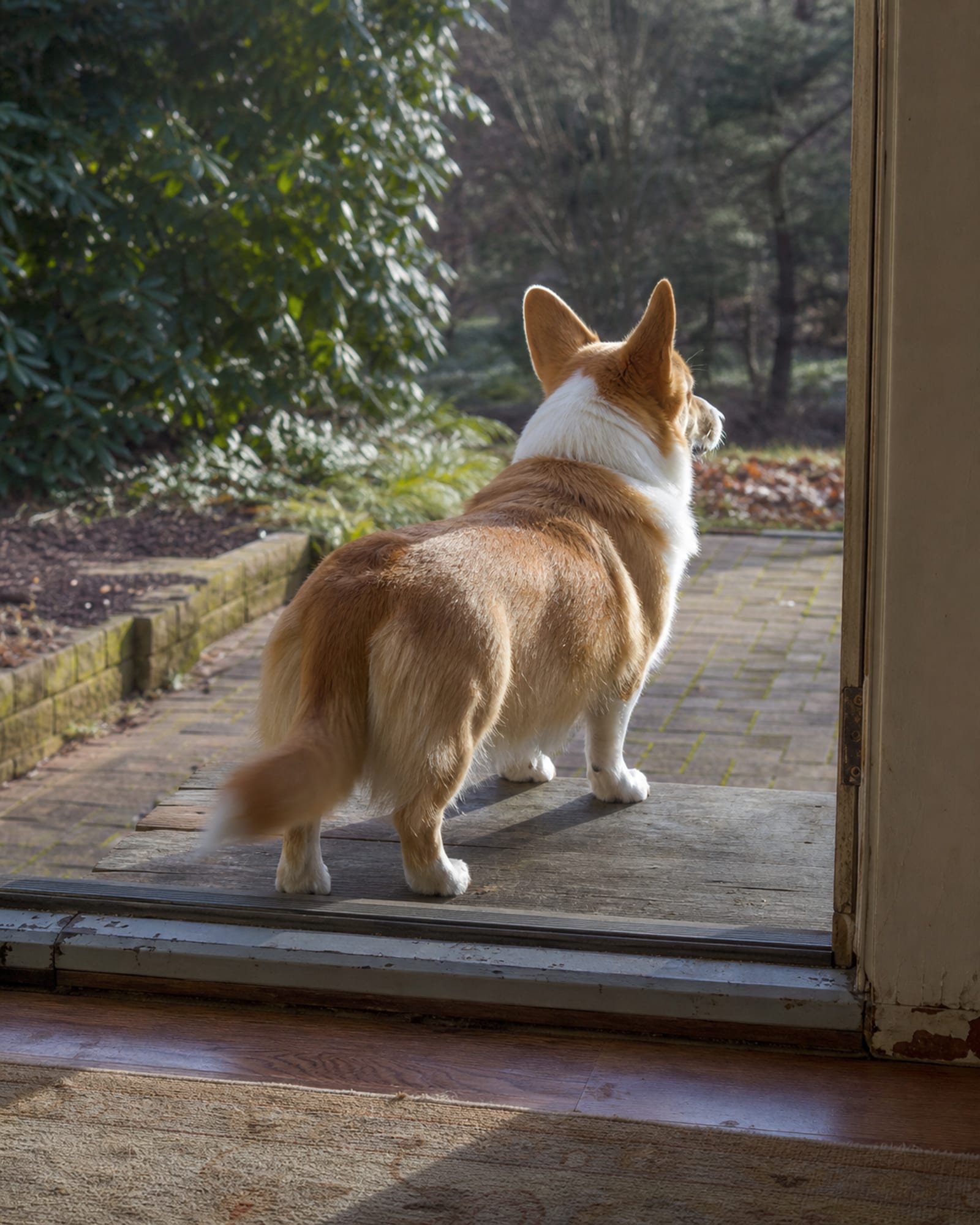
A dog standing on a back step looking into the yard

A dog standing on a back step looking into the yard

Puppy mouthing: what actually works

Normal, temporary, and genuinely improvable in weeks rather than months.

01

Teach the limit, do not ban the mouth

Puppies need to learn how hard is too hard, and they learn it by the game stopping. Trying to eliminate mouthing entirely removes the very feedback loop that teaches a dog to be careful with its teeth later in life.

Puppy training

02

Play stops, calmly

Teeth on skin ends the fun immediately and without drama: you stand up, you disengage, you go quiet for a moment. No shouting, no scruffing, no holding the muzzle shut. Those escalate a puppy that is already over the top.

Puppy training

03

Something legal to bite

A puppy that needs to chew will chew. The job is redirecting onto things it is allowed to have, and having them within reach in every room, rather than expecting a teething animal to simply stop.

Puppy training

04

Check the sleep

Most of the worst mouthing I get called about is an overtired puppy. Puppies need a great deal of sleep and the ones that do not get it become frantic, land-shark versions of themselves in the evening. Very often the fix is a nap schedule.

Puppy training

05

Children and the rules

Running, squealing and flapping hands is a game to a puppy and a nightmare for a small child. Everyone in the house needs the same response, and children need a route out of the game that does not involve running.

Puppy training

06

Give it a few weeks

Handled consistently this fades as the puppy matures and the adult teeth come in. If it is not improving at all after a few weeks of consistent handling, that is worth a conversation rather than more of the same.

Puppy training

Why banning the mouth backfires

The instinct is to stop the biting entirely, as fast as possible, and it is worth understanding why that goes wrong.

A puppy has no idea how hard it is biting. It finds out by biting things and discovering what happens, and the most important lesson of its first months is that human skin is fragile and the game ends when teeth land. A puppy that gets that feedback grows into a dog with a soft mouth, which matters enormously later: if that dog is ever startled, in pain, or pushed too far as an adult, the difference between a bruise and stitches is a lesson it learned at twelve weeks.

A puppy that was punished into never mouthing at all does not learn that. It learns to keep its mouth shut around people, which looks like success, and it never calibrates. That is why I would rather teach a puppy how hard is acceptable than teach it that mouths are forbidden.

What this looks like in practice is unglamorous. The game stops the instant teeth touch skin, every time, by everybody. You stand up and go quiet for a few seconds, and then it resumes. No shouting and no holding the muzzle shut, both of which wind up an already over-aroused puppy and teach some dogs that hands coming toward the face are worth defending against.

Done consistently, this is a few weeks of work, not a personality trait you are stuck with.

If your dog is an adult that has bitten

Then this page is not really where you should be, and I would rather send you two clicks away than have you work from puppy advice.

The short version: stop the situation recurring today, using gates, separation and leashes indoors if that is what it takes, because every incident makes the next one likelier. Then get it assessed properly rather than reaching for a technique, because what drove it decides everything about what helps. And write down exactly what happened, including what the dog did in the second before, which is the detail everyone forgets and the one I need most.

The full picture, including what gets assessed, how muzzle work fits in, and where a case needs a veterinary behaviorist rather than a trainer, is on the aggression page. If a bite has broken skin there can also be reporting and public-health procedures in Maryland that sit outside training entirely. I am not the person to advise you on that side of it, but you should know it exists rather than find out afterwards.

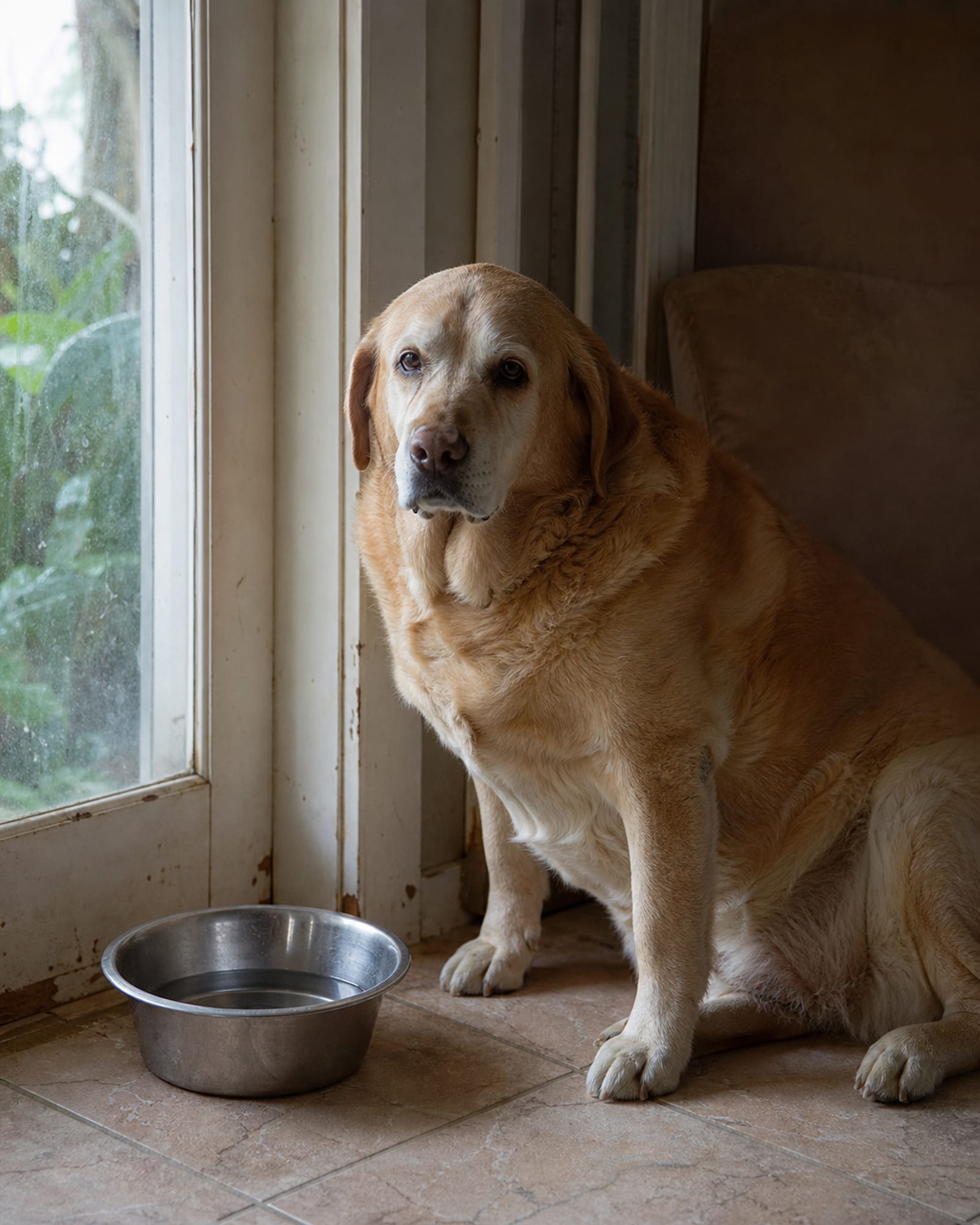
A dog sitting beside a water bowl on a tiled floor

A dog sitting beside a water bowl on a tiled floor

When it is not really a training problem

Some biting is a medical problem wearing a behavior costume, and it is more common than people expect.

A dog that has always tolerated handling and now snaps when touched in one place is telling you something hurts. Ears, hips, teeth, back, feet. The same goes for a dog whose temper has changed generally over weeks or months, or an older dog that has started reacting to being approached or startled. That dog goes to your veterinarian before it comes to me, every time, and no amount of training fixes a dog that is in pain.

The other category is a dog whose warnings have been punished out. If a dog has been told off for growling for long enough, it stops growling. Owners often report this as progress right up until the dog bites with no warning at all. That dog has not become more dangerous by accident; it has learned that the warning gets it into trouble and the bite does not.

That is the single most important reason not to punish a growl, and it is why I want to know whether anyone has been correcting your dog for growling before we start.

Questions people ask

My puppy bites constantly. Is he aggressive?
Almost certainly not. Puppies investigate and play with their mouths and have no idea how hard they are biting until it is taught. What matters is the body: loose and bouncy is play, stiff and still before the bite is something else.
Should I hold his mouth shut or scruff him?
No. Those escalate a puppy that is already over-aroused and they teach some dogs that hands near the face are a threat, which is a much worse problem to have later. Ending the game works better and costs nothing.
My dog bit someone once. Will he do it again?
It depends entirely on the circumstances, and that is what the assessment is for. What raises the odds is repetition, so the priority is stopping the situation recurring while we work out what drove it.
He only bites when we touch his collar or move him.
That is a specific and workable pattern, and it is also one where pain should be ruled out first. Handling-related biting often responds well once the dog learns that hands predict something other than being grabbed.
He bit with no warning at all.
That usually means the warnings were there earlier in his life and stopped, often because growling was punished. Tell me if anyone has corrected him for growling, because it changes the plan significantly.
Do we need a muzzle?
Sometimes, and it is not a judgement. A basket muzzle the dog has been conditioned to enjoy lets it go out and be part of life safely. I will show you how to introduce one so the dog does not resent it.
Is it safe to keep him around the children?
That is exactly the question the evaluation answers, and I will give you a straight answer rather than a reassuring one. Meanwhile the honest advice is separation rather than supervision, because supervision fails at the worst moment.

Tell me what happened

Whether it is a puppy shredding your sleeves or a grown dog that has put teeth on someone, call me at (443) 429-0445. I answer 6 AM to 7 PM, seven days a week. Tell me your dog's age and what happened just before, and I will tell you honestly which of these two problems you have and what I would do about it.

Call TodaySend a Message

6 AM - 7 PM, 7 days a week · Baltimore, MD area