Baltimore, MD area6 AM - 7 PM · 7 days a weekDog Training since 2001
Hand signal: open palm, brief

E-Collar Training

A remote collar is a tool, not a program and not a shortcut. Used properly it is quiet, low-level, and layered onto behaviors your dog already knows. Used as a first resort it makes dogs worse. Here is the honest picture before you decide.

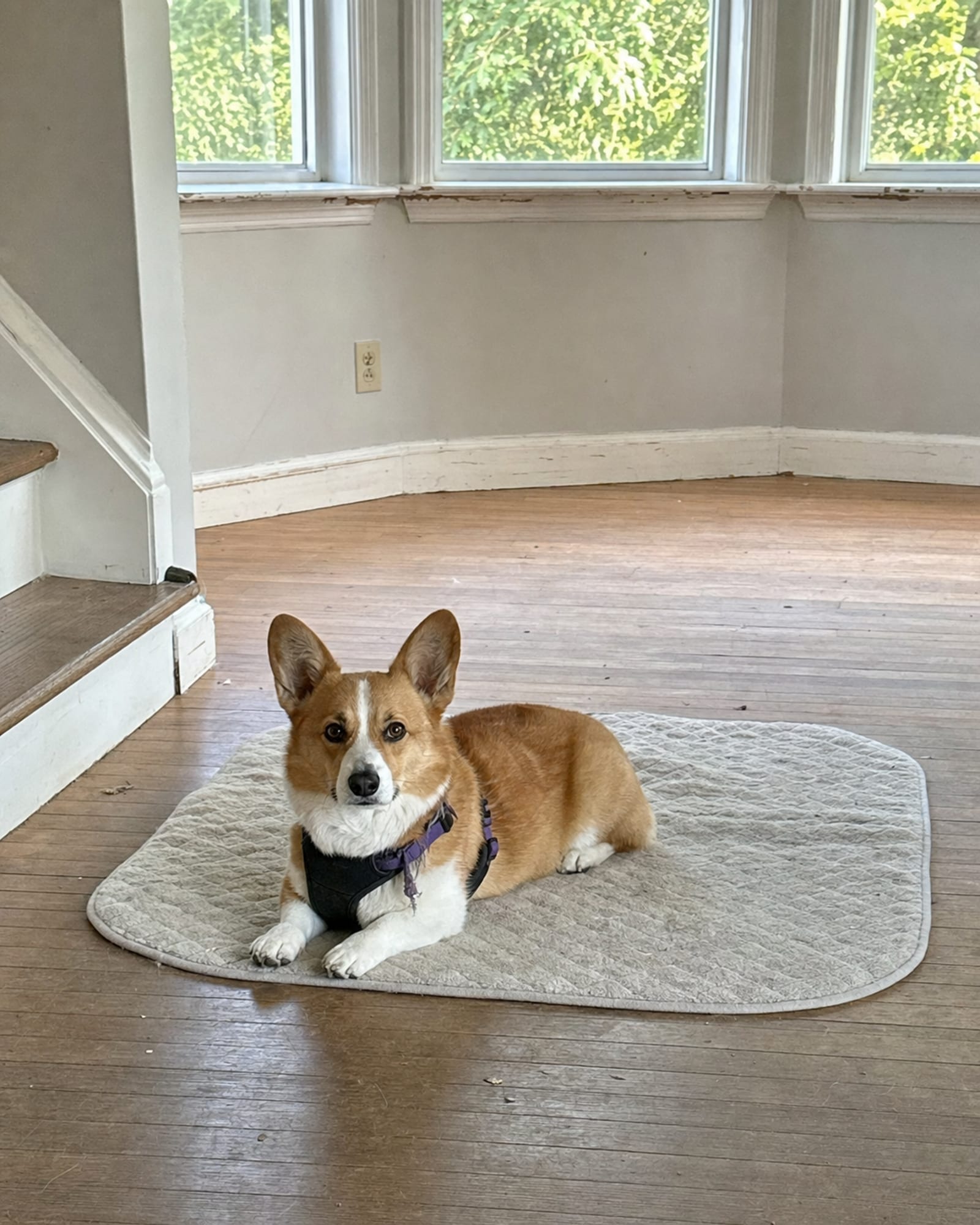
A dog holding a down stay on a mat, room around it

A dog holding a down stay on a mat, room around it

At a glance

What it is
A method, not a package
Layered onto training your dog has already done.
Comes after
The behavior is already known on leash
Usually for
Off-leash reliability at distance
Denise is
A listed E-Collar Technologies dealer and trainer

What is e-collar training?

An e-collar, or remote collar, lets a handler give a dog a signal from a distance. Modern units offer tone, vibration, and electrical stimulation across a wide range of levels. Used the way I use it, the collar is layered onto behaviors the dog already understands on leash, at a level most people cannot feel on their own hand, to make those behaviors reliable when the dog is fifty yards away and the leash is not there.

It is a method, not a program. You cannot buy e-collar training on its own here, because the collar is the last part of a process rather than the start of one. It gets delivered through in-home private lessons, Kick Start, or board and train, depending on what your dog needs.

I am a listed dealer and trainer with E-Collar Technologies, and I am a balanced trainer. I use remote collars, structured socialization and obedience together, and I would rather say that plainly on the page than have you find out on the third session.

What follows is the part most pages leave out.

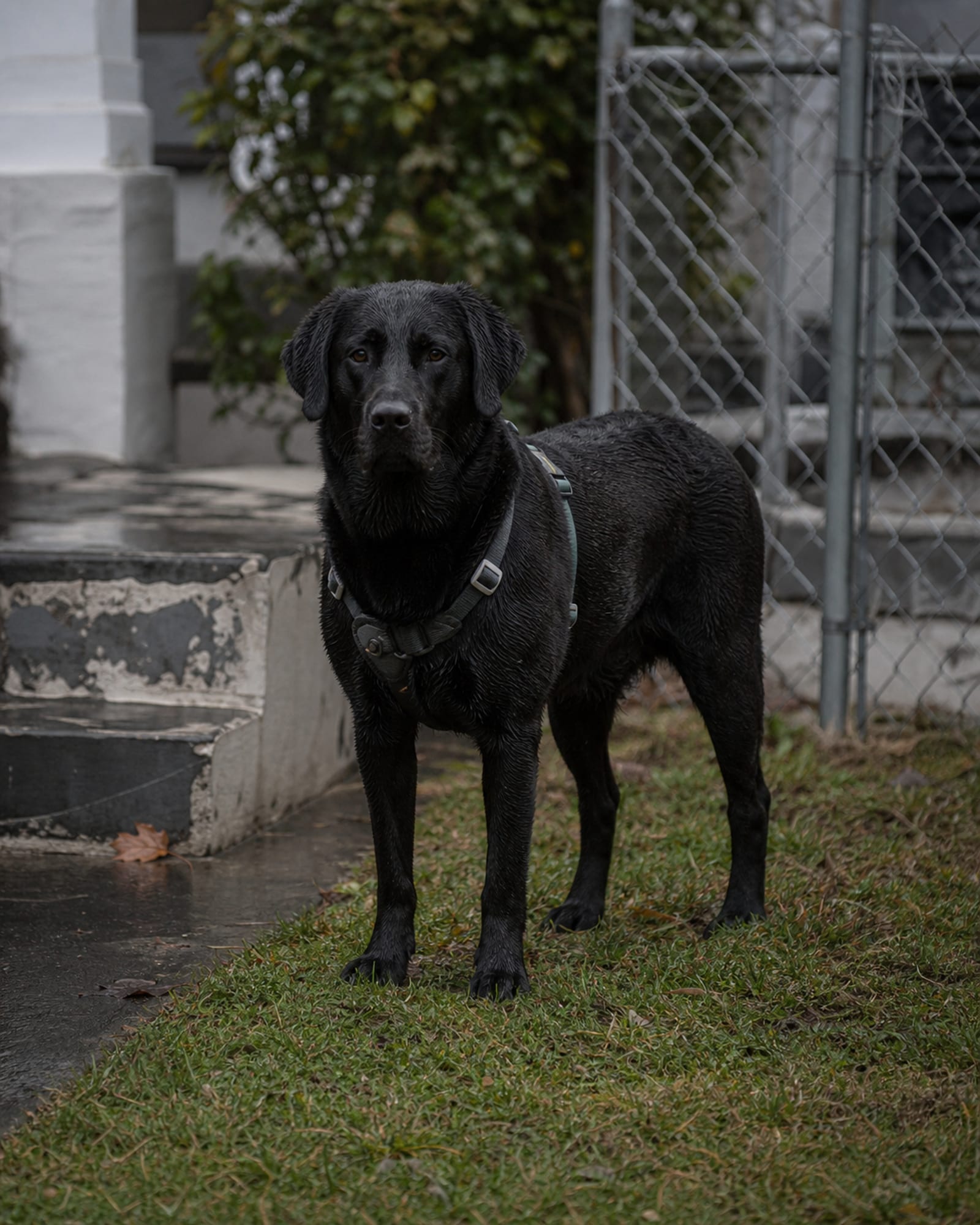
A dog standing relaxed on a lawn, weight even

A dog standing relaxed on a lawn, weight even

What does my dog actually feel?

This is the question everyone wants answered, and I want to answer it without hiding behind the language, because a page that plays word games on this subject does not deserve your trust.

The collar works by electrical stimulation. I am not going to call it a tap or a tickle and hope you do not notice. What decides whether that is humane is the LEVEL, and the range on these units is enormous. Your dog has a working level: the lowest setting it perceives at all, which shows up as an ear twitch, a head turn, or a flicker of attention. Most people cannot feel that setting on their own hand. That is where the work happens, and nowhere above it.

It is a tap on the shoulder, not a punishment. If a dog yelps, ducks, or looks frightened, the level is wrong and the handler has made a mistake, and the answer is to stop rather than to carry on more gently next time.

You should also know that respected people in this field disagree with using these tools at all, including veterinary behavior organizations that recommend against aversive equipment on welfare grounds. That is a real position held by serious people, not something I am going to pretend does not exist. There is also no honest claim available that a remote collar is the only way to get a reliable recall. Plenty of dogs get there without one.

So the decision is yours, and you should make it knowing all of that. What I will tell you is where I think the tool genuinely earns its place, and where it does not.

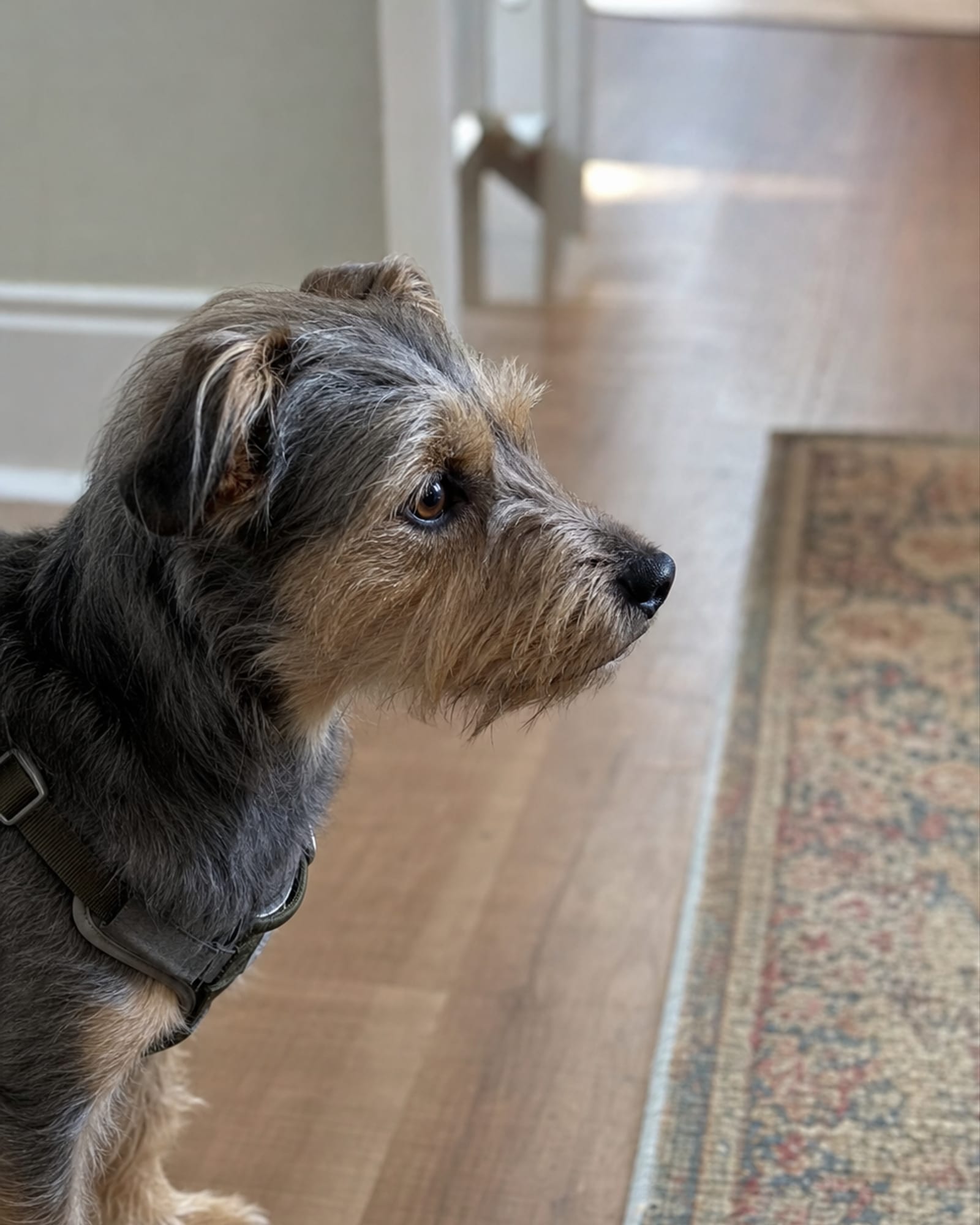
A close vertical of a dog's head and shoulders, attentive

A close vertical of a dog's head and shoulders, attentive

Where a remote collar actually earns its place

It is not a general-purpose fix. These are the situations where I reach for one.

01

Off-leash reliability at distance

This is the main one. A dog that recalls beautifully at twenty feet and ignores you at eighty has a distance problem, and a long line only reaches so far. The collar gives you a way to communicate at the distance where your voice has stopped meaning anything.

02

The dog that runs

Some dogs are genuinely dangerous to themselves off leash: the sighthound that follows its eyes, the hound that follows its nose, the dog that has already been hit once. For those households the honest choice is often a long line forever, or the work to make off-leash safe.

03

Keeping a behavior that already exists

Proofing, not teaching. If your dog knows a recall and a place command properly on leash, the collar is a way to hold that standard out in the world without you jogging across a field. Nothing new is being taught at that point.

04

Freedom for a dog that has none

The dogs I see most often are not badly behaved, they are restricted. They never get off a leash because nobody trusts them to come back. Where a collar is the route to a dog actually running in a field again, that is a welfare gain worth weighing.

How it is introduced, and the order that matters

  1. 01

    The behavior comes first, on leash

    Your dog learns the recall, the place, the heel, with a leash and a reward history, until it genuinely knows what the word means. Nothing electrical happens during this. A dog that does not know the behavior cannot be told it is wrong.

  2. 02

    You learn the equipment before the dog does

    Handler mechanics come before any live use: what the buttons do, what the levels mean, timing, and what you do if it goes wrong. I teach that without your dog involved, because the most common cause of a bad outcome is a person pressing at the wrong moment.

  3. 03

    Fit, and finding the working level

    The collar has to sit correctly on the neck to work at all, and a poorly fitted one is both useless and uncomfortable. Then we find your dog's working level, from the bottom up, watching for the first flicker of awareness. That number is specific to your dog and it is usually far lower than people expect.

  4. 04

    Layering onto the known behavior

    Only now does the collar join a behavior the dog already understands, as information rather than punishment. Short sessions. If the dog shows fear or distress at any point, we stop and reassess rather than pushing through it.

  5. 05

    Handing it to you

    You do not go off leash with a collar you have not been coached on. The last stage is your hands and your timing, with me watching, until the mechanics are yours. Then the follow-up exists for what happens after.

When I will not use one

There are dogs I will not put a remote collar on, and this list matters more than the rest of the page.

I will not use one on a fearful dog to make it comply. A frightened dog needs its confidence built, and adding an unpleasant surprise to an animal that is already worried teaches it that the world is less safe than it thought. I will not use one to suppress growling or any other warning, for the same reason I do not punish a growl anywhere else: you remove the warning and keep the feeling.

I will not use one on a dog that does not yet know the behavior. That is the most common misuse I see, and it is what people are doing when they buy a collar off the internet and put it on the same afternoon. The dog gets a sensation it cannot connect to anything and learns only that the world is unpredictable.

And I will not use one on aggression without a proper assessment first. Aggression cases can involve pain, fear, or a history that changes the whole picture, and reaching for a tool before understanding the case is how a bite gets made worse.

If you have already bought a collar and started, tell me. I am not going to lecture you. It is a common thing to do and it is usually fixable, but I need to know what your dog has already been taught to expect.

A dog sitting beside a closed door, waiting

A dog sitting beside a closed door, waiting

Questions people ask

What does my dog feel when it is used?
At the working level, a sensation most people cannot feel on their own hand: enough for the dog to notice, not enough to hurt. It reads as a tap on the shoulder rather than a correction. If a dog yelps or cowers, the level is wrong and the handler has made an error.
Can I just buy one and do it myself?
You can, and it is where most of the damage I see comes from. The manual tells you how the device works, not whether your dog is ready, what level to use, or when to stop. The mechanics and the timing are the part that needs teaching.
Will my dog become afraid of me?
Not if the behavior was trained first and the level is right, because the dog is getting information rather than a fright. It absolutely can happen when a collar is used on a dog that does not understand the behavior, or used in anger.
Why not just use treats?
For teaching a behavior, food is the better tool and I use it. The problem food does not solve is a dog at eighty yards with something more interesting in front of it. The collar addresses distance, not learning.
Will it fix reactivity or aggression?
Not on its own, and it is not where I would start. Those cases need an assessment first, because reactivity is usually an emotional response rather than disobedience, and suppressing the outward behavior does not change how the dog feels.
Can I stop using it eventually?
Most dogs work down to wearing it without it being used, as a piece of insurance rather than a constant. Some households keep it on for off-leash outings permanently, which is a reasonable choice.
Are they legal in Maryland?
I am not aware of a Maryland ban on remote training collars for dogs, but rules vary by place and can change, and some parks, venues and boarding facilities set their own. Check locally rather than assuming, and note that some countries have prohibited them outright.


Tell me what you are trying to achieve

If you want your dog off leash and safe, or you have bought a collar and want to know whether you are using it properly, call me at (443) 429-0445. I answer 6 AM to 7 PM, seven days a week. Tell me what your dog can already do reliably, and I will tell you honestly whether a remote collar is the right tool and what it would cost.

Call TodaySend a Message

6 AM - 7 PM, 7 days a week · Baltimore, MD area