Baltimore, MD area6 AM - 7 PM · 7 days a weekDog Training since 2001
Hand signal: pat the hip

Leash Pulling

A dog that drags you down the street is a mechanical problem, not an emotional one. That makes it different from leash reactivity, and much simpler: pulling continues because it works, and it stops when it stops working.

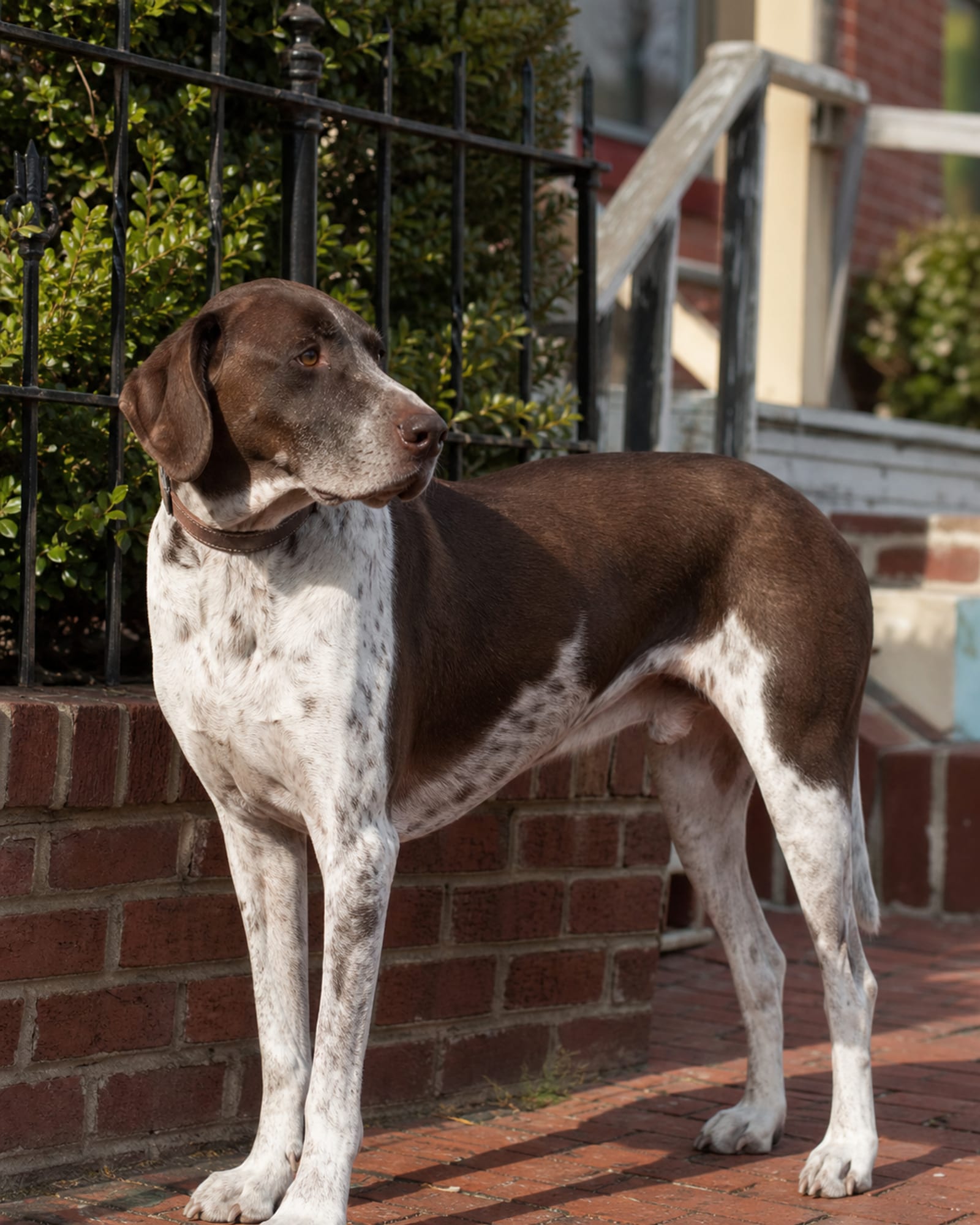
A dog standing beside a low garden wall, weight settled

A dog standing beside a low garden wall, weight settled

At a glance

Not the same as
Leash reactivity
That one is emotional. This one is mechanical.
Why it persists
Because it gets the dog there
Fastest change
Your hands and your feet
Evaluation
$100, on your own route
Rolls into the training fee.

Pulling is not reactivity, and the difference matters

These two get treated as the same problem constantly, and they are not.

A reactive dog is having an emotional response to something specific: another dog, a cyclist, a person. It barks, lunges and screams, and it settles once distance is restored. That needs threshold work and it has its own page.

A pulling dog is not upset about anything. It is going somewhere, at a pace that suits it, and you are attached. It pulls at the start of the walk, past nothing in particular, toward the park. There is no trigger, no barking and no adrenaline, just steady pressure from a dog that wants to be further forward than you are.

The reason the distinction matters is that the plans are unrelated. Distance work does nothing for a dog that simply wants to get there faster, and mechanical leash work does not help a dog that is frightened. Plenty of dogs have both, in which case we address them separately rather than hoping one fixes the other.

This is a specialty rather than a stand-alone service, delivered through in-home private lessons, Kick Start, or board and train.

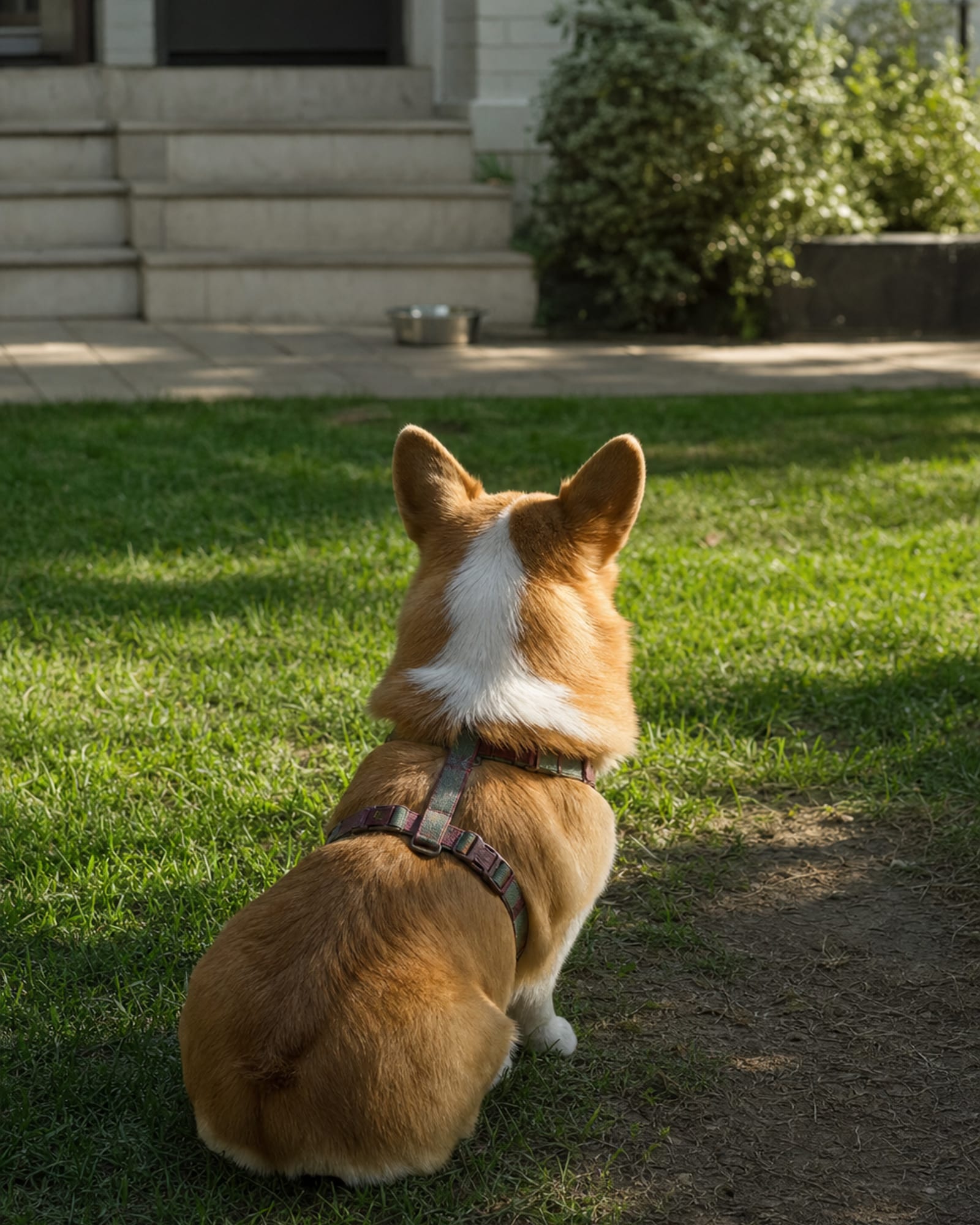
A dog sitting at the edge of a lawn facing the house

A dog sitting at the edge of a lawn facing the house

Why your dog pulls, mechanically

Two things keep pulling alive, and neither of them is disobedience.

The first is that it works. Your dog pulls toward the lamp post and arrives at the lamp post. It pulls toward the park and the park gets closer. Every walk is several hundred repetitions of pulling producing exactly the desired result, which is a training schedule most of us could not match on purpose.

The second is physical. Dogs push into steady pressure rather than yielding to it, which is why a dog leaning into a tight collar leans harder rather than backing off. So the standard human response, bracing and hauling back, gives the dog something to push against and makes the pulling stronger. Two bodies pulling in opposite directions is a stable arrangement, and dogs are better at it than we are.

Which gives the two halves of the fix. Pulling stops arriving anywhere, so the leash going tight means the walk pauses. And you stop providing something to lean on, which means loose hands, no bracing, and changes of direction rather than tugs of war.

Most owners see a change within a single session on the second half alone, because it is your mechanics rather than your dog's training, and yours can change immediately.

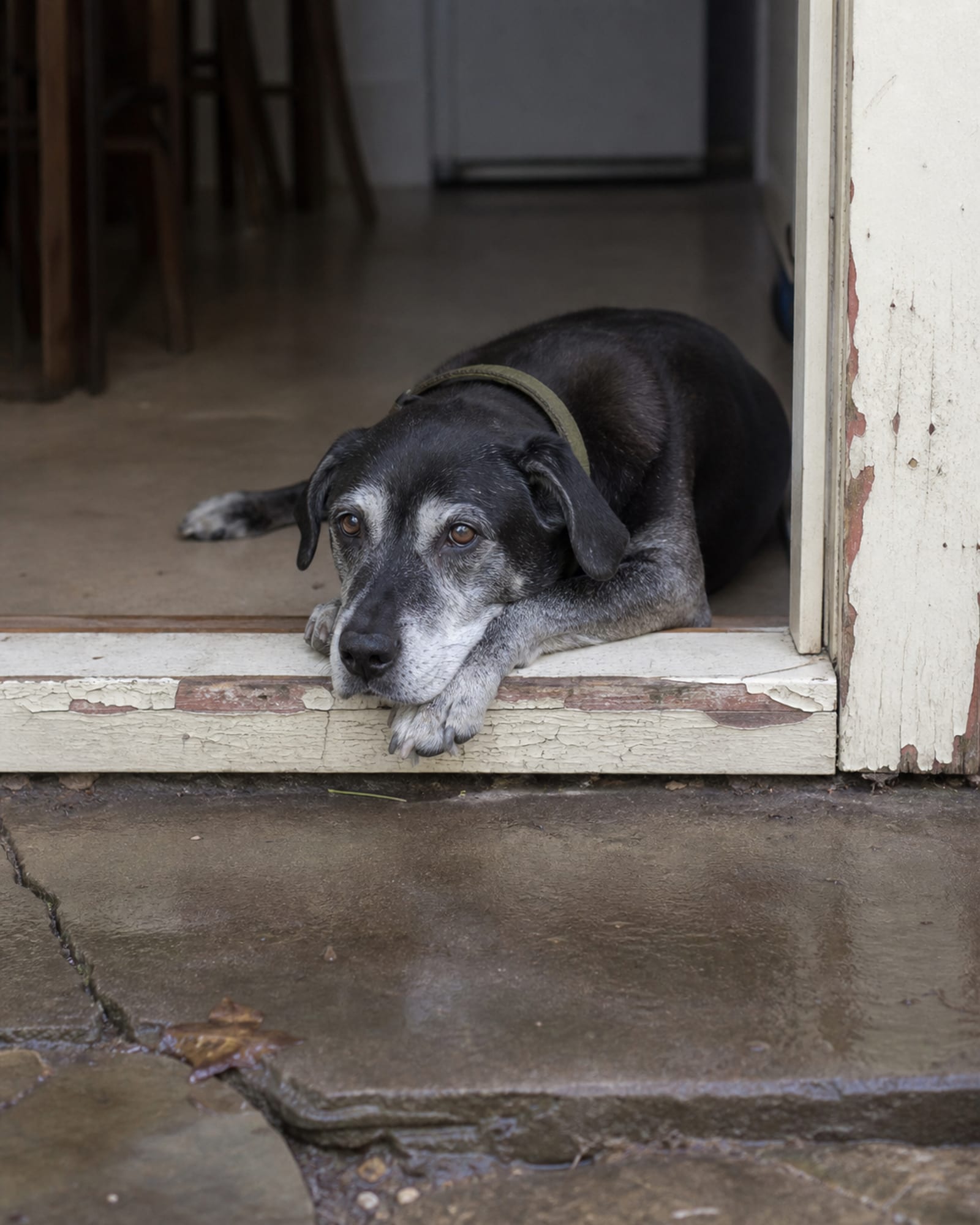
A dog lying across a doorway threshold, head on paws

A dog lying across a doorway threshold, head on paws

What actually changes it

Unglamorous, and it works.

01

Tight leash, walk stops

The instant the leash goes taut, forward progress ends. Not a correction, just a stop. The dog works out very quickly that tension is what ends the walk and slack is what continues it, because that is now true every single time.

02

Loose hands

Hands relaxed, arms soft, leash held with slack in it rather than gripped short. A permanently tight leash gives the dog constant pressure to lean into, and most people are unknowingly holding one from the moment they leave the house.

03

Change direction instead of pulling back

Turning and walking the other way resets a dog that is forging ahead, without a contest. It also teaches your dog to keep track of where you are, which is the actual skill under loose-leash walking.

04

Pay the position you want

Most owners only interact with the leash when it is tight, so the dog gets attention for pulling and silence for walking nicely. Rewarding the dog while it is beside you, repeatedly and early, changes that arithmetic.

05

Equipment that suits the dog

A front-clip harness or a properly fitted head halter can make a strong dog manageable while you train. Equipment does not teach anything by itself, and anything sold as ending pulling on its own is managing the symptom.

06

Let the dog sniff, deliberately

A walk with no sniffing is a march, and dogs pull hardest when the only way to reach anything interesting is to drag you there. Building in released sniffing time makes the structured walking far easier to hold.

The first five minutes are the hardest

Almost every owner describes the same shape: terrible at the start, better later. That is not your imagination and it is worth planning around.

A dog that has been in the house for hours comes out of the door with everything at maximum: energy, anticipation, and a nose full of new information. Expecting calm loose-leash walking in the first two minutes is expecting the hardest version of the task at the worst moment.

So start before you leave. A minute of something calm at the door, going out only when the dog is not already lunging at the threshold, and a slow first hundred yards rather than a sprint to the corner. Owners who fix the doorway usually find the rest of the walk improves without touching it.

It is also worth having two modes and being clear which one you are in. Structured walking, where the dog stays in position, and released sniffing, where it can go where it likes on a longer line. Dogs cope with rules far better when the rules are consistent and there is a legitimate route to the fun. A dog that is never allowed to sniff will pull for the whole walk, because pulling is the only strategy available.

And be realistic about adolescence. A ten-month-old that had it and appears to have lost it has not forgotten. Adolescent dogs get worse at everything for a few months, and the households that keep going come out the other side with it intact.

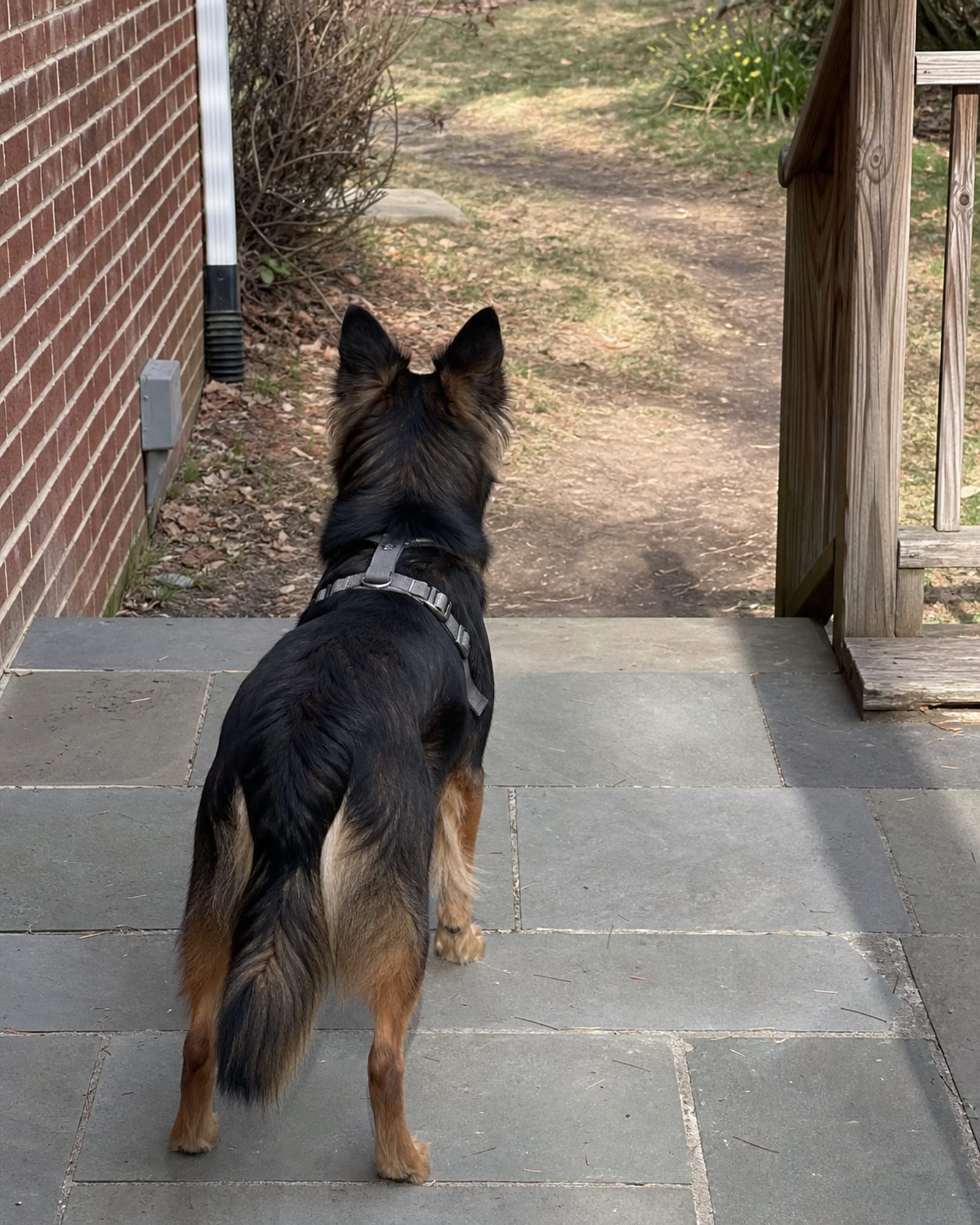
A dog standing square on a patio, ears forward

A dog standing square on a patio, ears forward

Why the walk matters more than the obedience

Loose-leash walking is the behavior owners ask me for most often, and it is worth understanding why it carries so much weight.

A dog that drags you does not just make walks unpleasant. It shortens them. The walk gets cut to ten minutes because your shoulder hurts, then to the block, then to the yard, and a dog with less exercise and less to look at gets harder to live with in every other way. I have watched leash pulling quietly become a barking problem, a chewing problem and a general lack of settling, purely because the walks stopped happening.

It is also the behavior most likely to injure somebody. Being pulled over on ice, or off a curb, or into a road, is a real risk and it lands hardest on the people least able to absorb it. If your dog is genuinely stronger than you, that is a safety problem to solve on day one with equipment rather than something to work around for months.

And it changes who can walk the dog. A household where only one person is physically able to take the dog out is one bad back away from a dog that does not get walked at all. Getting this right is often what makes a dog manageable for the whole family rather than for one person.

So I take it seriously as a goal in its own right, not as a nice-to-have once the obedience is done.

Questions people ask

Is pulling the same as leash reactivity?
No. Pulling is mechanical, with no trigger and no distress. Reactivity is an emotional response to something specific. Some dogs have both, and they get worked separately because the plans are unrelated.
Will a no-pull harness fix it?
It usually makes a strong dog manageable, which is worth having while you train, but it manages the symptom. Take it off and the dog pulls, unless the underlying habit has been changed.
Why does he pull worse at the beginning of the walk?
Because that is when arousal is highest and everything is new. Fix the doorway and the first hundred yards, and most of the rest of the walk improves without being addressed directly.
Should I yank the leash to correct him?
It tends to make it worse. Dogs push into steady pressure rather than yielding to it, so hauling back gives your dog something to lean on. Stopping and changing direction achieves more without a contest.
My dog walks beautifully until he sees another dog.
Then the pulling is not really your problem, the reaction is. That belongs with leash reactivity, which needs distance work rather than mechanical leash work.
How long does it take?
Most owners see a real difference inside one or two sessions, because much of it is handler mechanics that can change immediately. Making it hold everywhere takes a few weeks of consistency.
He is too strong for me to hold.
Then equipment comes first, for your safety, before any training. Being pulled over is a genuine injury risk and it is worth solving on day one rather than working around.

Tell me about your walk

If your dog drags you down the street, call me at (443) 429-0445. I answer 6 AM to 7 PM, seven days a week. Tell me whether the pulling is constant or only toward specific things, because that answer decides which problem you actually have and what it would cost to fix.

Call TodaySend a Message

6 AM - 7 PM, 7 days a week · Baltimore, MD area