Baltimore, MD area6 AM - 7 PM · 7 days a weekDog Training since 2001
Hand signal: eyes on me

Handler Aggression

A dog that growls or snaps at the people it lives with. Almost always over being handled, moved, restrained or disturbed, and almost never about who is in charge. This one carries a lot of shame, so let me deal with that first.

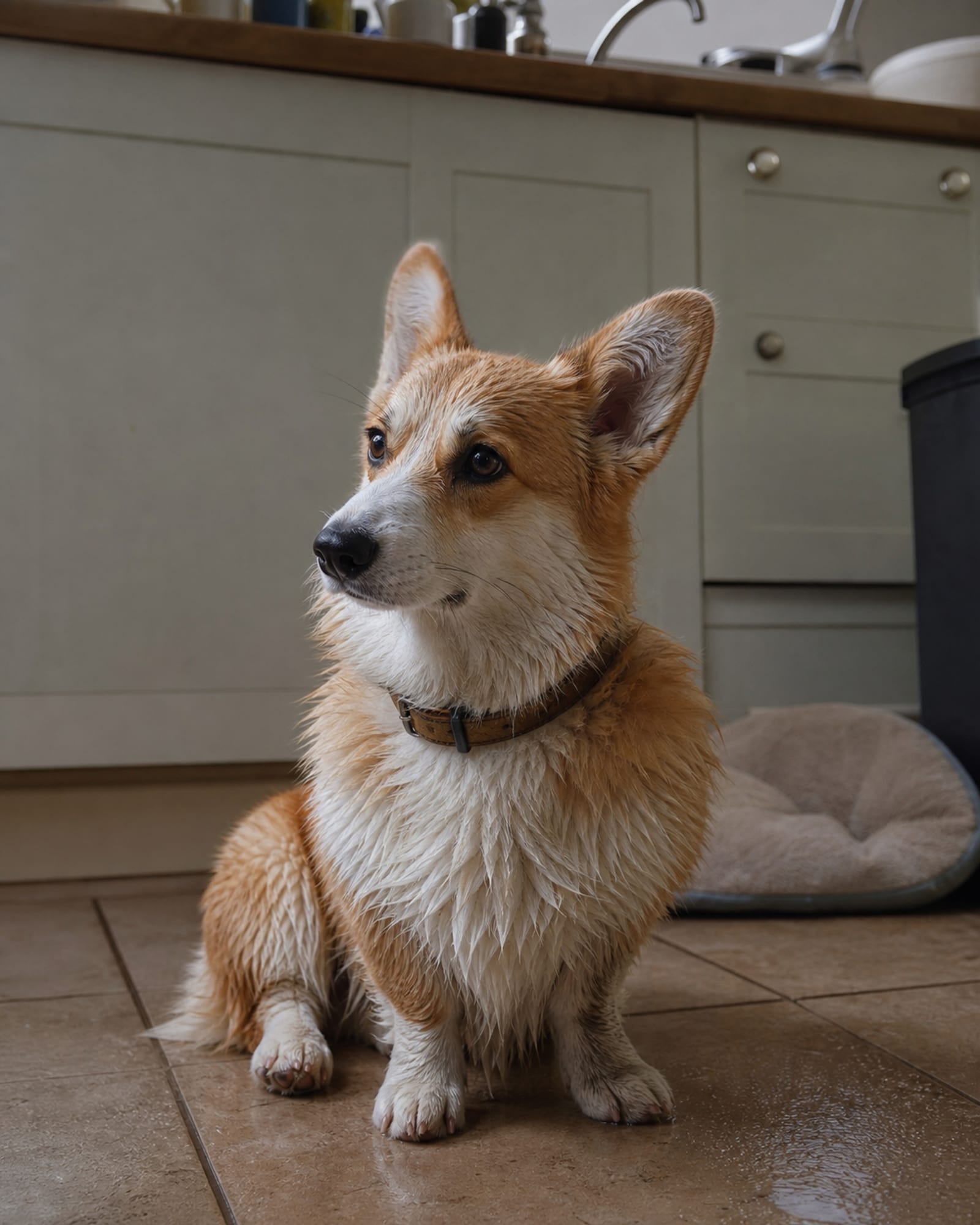
A dog sitting square on a kitchen floor, worktop rising behind it

A dog sitting square on a kitchen floor, worktop rising behind it

At a glance

Directed at
The family, not strangers
Which makes it different work from other aggression.
Usually about
Handling, restraint, being moved
Rule out first
Pain
This category has a high rate of a medical cause.
Evaluation
$100, in your home
Rolls into the training fee.

It is not personal, and it is not about rank

A dog that growls at its own family is the case owners find hardest to talk about. There is usually a feeling of betrayal in the room, and often somebody has told you the dog is trying to take over the house. I want to deal with that before anything else, because the explanation you have been given changes what you do next, and the common one is wrong.

Dogs do not run households, and a dog that objects to being handled is not staging a takeover. What is nearly always happening is far more ordinary: something is being done to your dog that it does not want done, it has no way to opt out, and it has learned that objecting works. Collar grabs, being pulled off the sofa, having its feet handled, being woken, being hugged, being carried, having something taken. That is the list, over and over.

The reason it is directed at you rather than at a stranger is simply that you are the person who does those things. A dog that snaps when moved off the bed is not evaluating its rank; it is comfortable and does not want to be dragged, and last time it growled the hands stopped.

That is genuinely good news, because a behavior that is maintained by something specific is a behavior we can change. It is also why this needs assessment rather than a technique: I need to know exactly which handling your dog objects to.

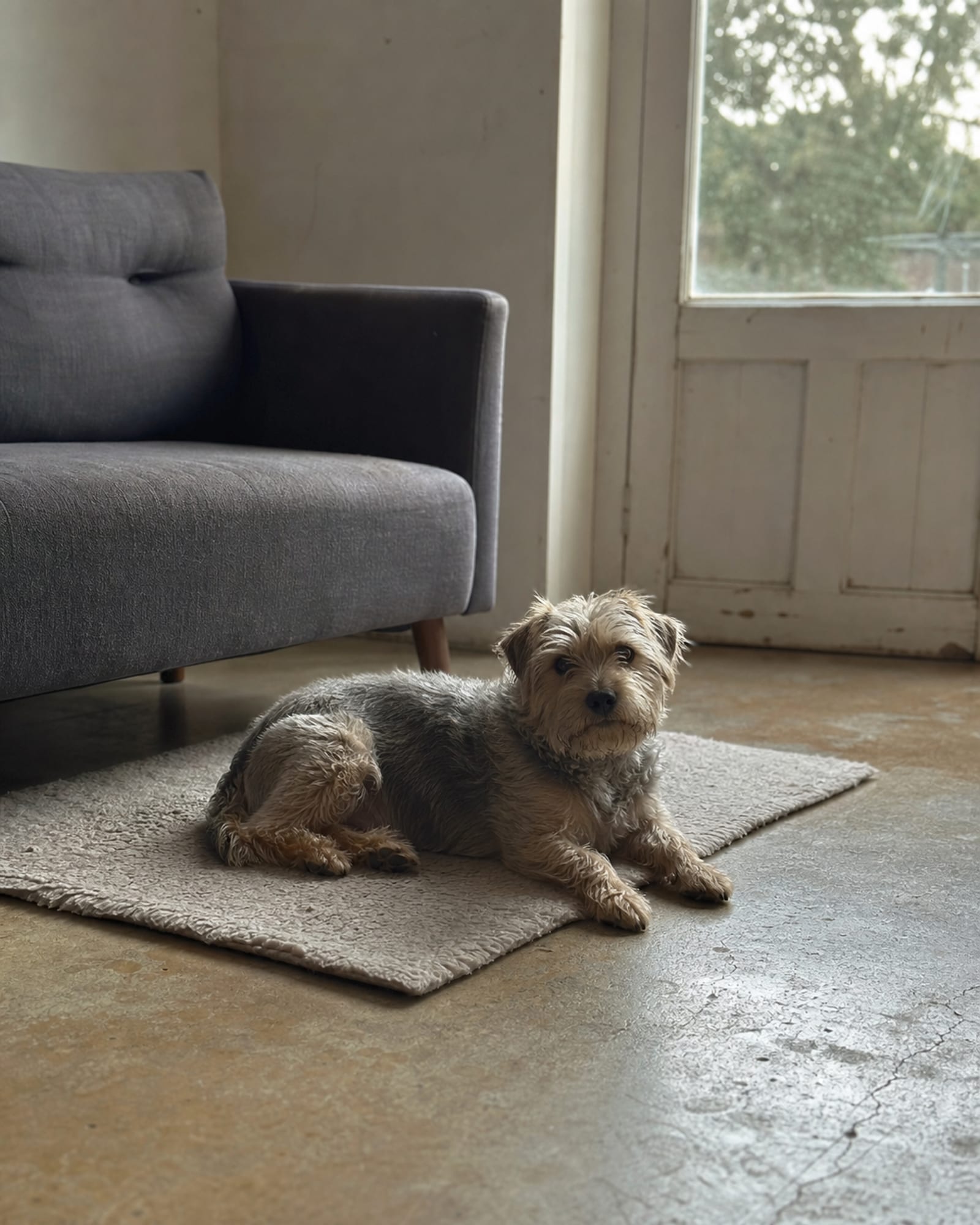
A dog lying on a mat beside a sofa, room quiet

A dog lying on a mat beside a sofa, room quiet

Rule out pain before anything else

This category has a higher rate of a medical cause than any other I work, so it comes before the training conversation rather than after it.

A dog that has always accepted handling and now objects is a dog telling you something hurts. Ears, teeth, hips, back, feet, neck. Dogs conceal pain well and often the only sign is a shortened fuse about being touched. I have watched cases that months of training could not shift resolve within weeks of a dental or a course of pain relief, and the training that had been attempted in the meantime just taught the dog that people ignore its warnings.

The same applies to a dog whose temper has changed generally, an older dog that has become intolerant of being disturbed, or a dog that objects to touch in one specific place. Those go to your veterinarian first, every time.

If that has been checked and there is nothing to find, we have lost very little. If it has not been checked, we could spend your money training a dog that is simply sore, and that is both wasteful and unfair to the dog.

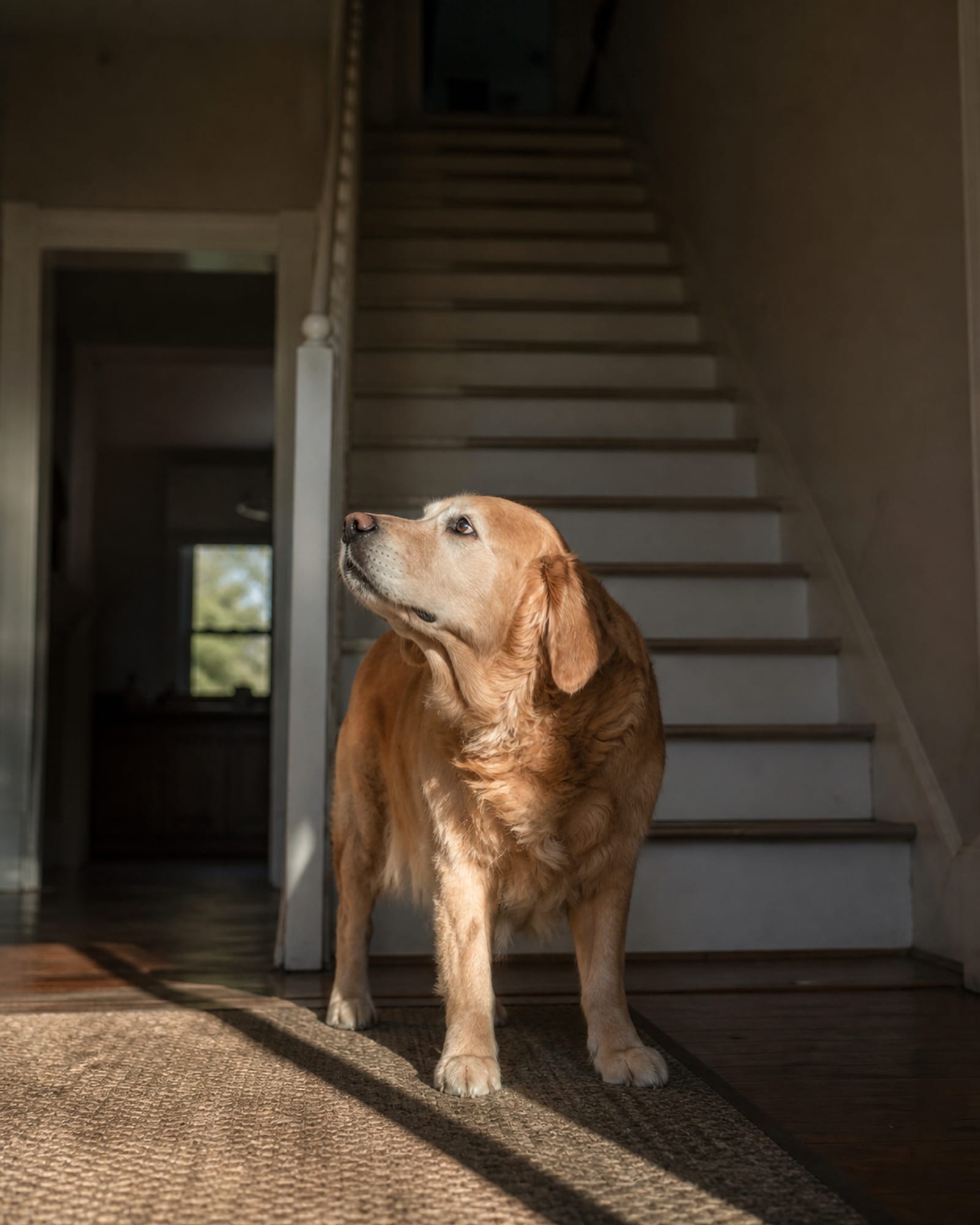
A dog standing at the bottom of a staircase looking up

A dog standing at the bottom of a staircase looking up

Where it usually shows up

The specific trigger matters more here than in almost any other case, because each one has a different fix.

01

The collar grab

Reaching for the collar to move the dog, stop it, or clip a leash on. This is the most common single trigger I see, and it is usually built by a history of the collar meaning something unwelcome follows. Very workable, and worth fixing in every dog whether it objects or not.

02

Being moved off furniture

The sofa, the bed, a favorite chair. Part guarding, part not wanting to be disturbed, and it escalates fast when the household responds by hauling the dog off. The fix usually starts with a rule about furniture rather than with the dog.

Resource guarding correction

03

Grooming and handling

Nails, ears, brushing, drying, being toweled after a walk. Most dogs are never taught to tolerate this and are simply held still until it is over, which works until the dog is big enough that it does not.

04

Being disturbed asleep

A dog startled awake, especially an older or deaf one, can snap before it is fully conscious. This is one where management matters as much as training, and where children need a clear household rule.

05

Having something taken

If it happens around food, chews or stolen objects, that is resource guarding and has its own page. It is worth separating, because guarding a possession and objecting to being handled are different problems that need different plans.

Resource guarding correction

06

Restraint of any kind

Being held, hugged, picked up, restrained for the vet. Many dogs tolerate this their whole lives without ever enjoying it, and the ones that stop tolerating it are usually telling you they have been pushed past their limit repeatedly.

How families accidentally make it worse

Nobody does this deliberately, and I have never met an owner who was not trying their best. But there is a pattern, and it is worth naming.

The dog growls. It feels shocking and unacceptable, so somebody tells it off. The growl stops, which looks like it worked. What has actually happened is that the dog has learned growling is dangerous, while still feeling exactly the same about having its collar grabbed. So the warning disappears and the snap stays, and now it arrives without notice.

The second pattern is escalation. The dog objects, the person insists, the dog objects harder, the person insists harder, and everyone learns that these encounters are a contest. After a few rounds the dog starts objecting earlier, because waiting has not worked out well.

The third is inconsistency. One person allows the sofa and one drags the dog off it. One takes the bone away for fun and one does not. A dog getting different rules from different people cannot predict what is coming, and unpredictability is what makes an animal defensive.

None of that makes this your fault. It makes it fixable, which is a better thing to be.

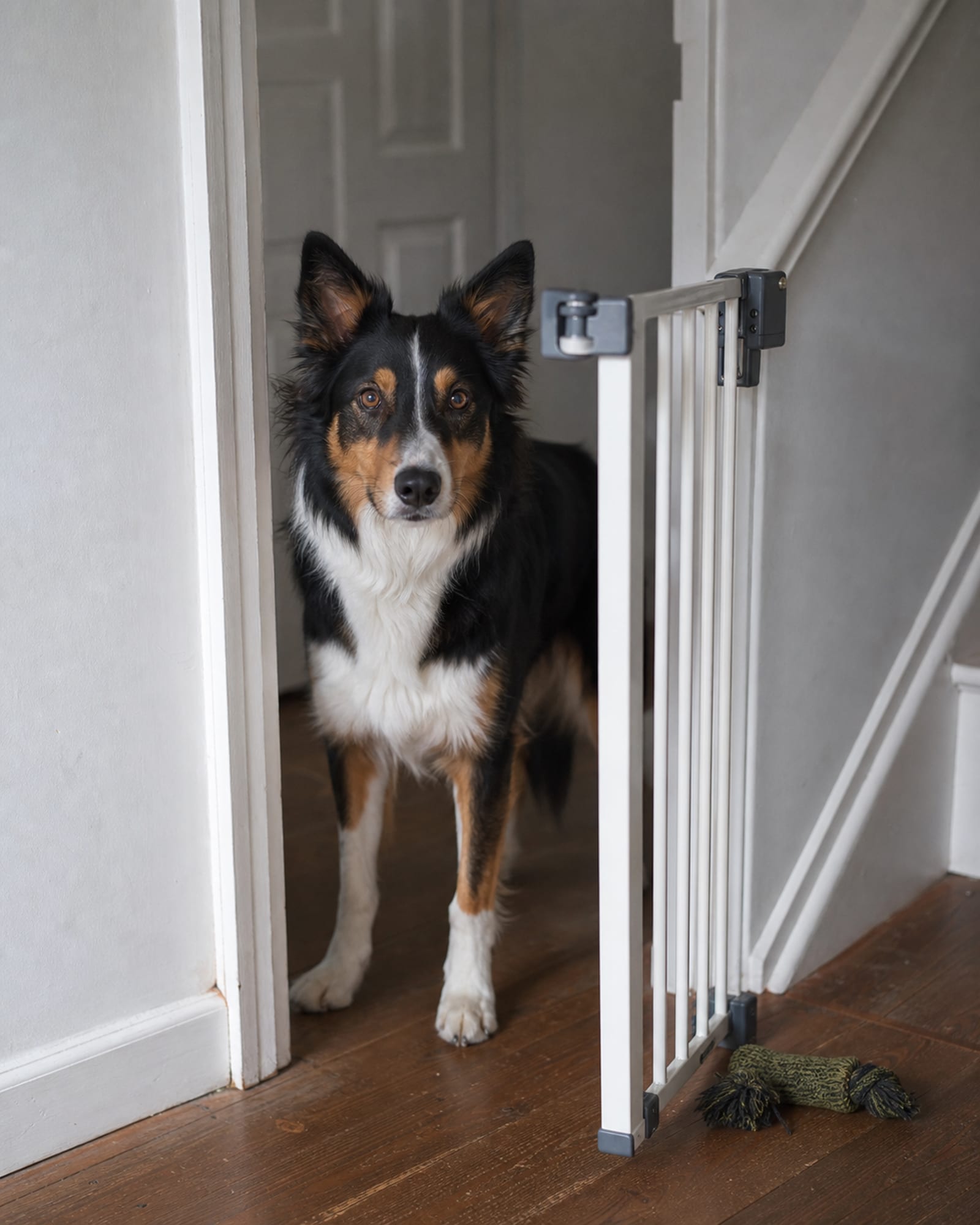
A dog waiting behind a half open stair gate, calm

A dog waiting behind a half open stair gate, calm

What the work looks like

  1. 01

    The evaluation, and the honest history

    $100, in your home. I need the exact triggers, who they happen with, whether anyone has been correcting the growl, and whether there has been a bite. The last two change the plan more than anything else you can tell me.

  2. 02

    Stop the encounters

    Straight away, and before any training. If the sofa is the trigger, the sofa is off limits for now, managed with a house rule rather than a confrontation. If the collar is the trigger, we use a house line so nobody has to grab it. Each avoided incident is one the dog does not rehearse.

  3. 03

    Change what hands mean

    Then we rebuild the association: a hand near the collar predicts something good and no grab, over many small repetitions, well below the point where the dog objects. This is the actual work and it is undramatic.

  4. 04

    Teach cooperation instead of restraint

    A dog can be taught to offer a paw, put its chin in a hand, step onto a mat, and hold still because it chooses to rather than because it is held. That is what makes grooming and vet visits survivable long term, and most dogs have never been offered it.

  5. 05

    The whole household, same rules

    Everyone handles the dog the same way, including the person who thinks the dog is fine with them. Consistency across people is often the difference between improvement and a dog that is safe with one person and not another.

Questions people ask

Is my dog trying to be the boss?
Almost certainly not. Handler aggression is nearly always about a specific thing being done to the dog rather than about status. The take-over explanation leads people toward confrontation, which is the thing most likely to make it worse.
He growls when I take him off the sofa. Should I make him get off anyway?
No, not by force. Insisting turns it into a contest the dog cannot afford to lose. In the short term the furniture becomes off limits by house rule, and then we teach an off cue that pays rather than threatens.
He only does it with me, not my partner.
Usually that means the trigger is something you do and they do not, rather than a preference for them. Working out which handling differs between you is often the fastest route into the case.
Should I punish the growl?
No. It is the single most damaging thing available here. Punishing the growl removes the warning without changing the feeling, and produces a dog that snaps with no notice at all.
We have children. Is he safe?
That is what the evaluation answers, and you will get a straight answer rather than a comforting one. In the meantime, separation rather than supervision, and a household rule about not disturbing the dog when it is resting.
Could this be pain?
Genuinely often, yes, especially if it is new or focused on one part of the body. Get your veterinarian to check before we spend money training a dog that may simply be sore.
Can this actually be fixed?
Most of these cases improve substantially, because the trigger is specific and the work is targeted. Where there is a bite history or the dog cannot settle enough to learn, I will say so and may recommend a veterinary behaviorist alongside the training.

Tell me what you were doing when it happened

If your dog growls or snaps at you or your family, call me at (443) 429-0445. I answer 6 AM to 7 PM, seven days a week. Tell me exactly what you were doing in the moment before, because that detail is most of the answer, and I will tell you honestly what I would do about it and what it would cost.

Call TodaySend a Message

6 AM - 7 PM, 7 days a week · Baltimore, MD area