Two weeks, on-leash
$3,600
The standard program. On-leash obedience, house manners, and the behavior work your dog actually needs. Most dogs come for this one.


Your dog comes to live with me for two or three weeks and learns in a house, not a kennel. $3,600 for two weeks on-leash, $4,800 for three weeks on and off leash, all training equipment included.
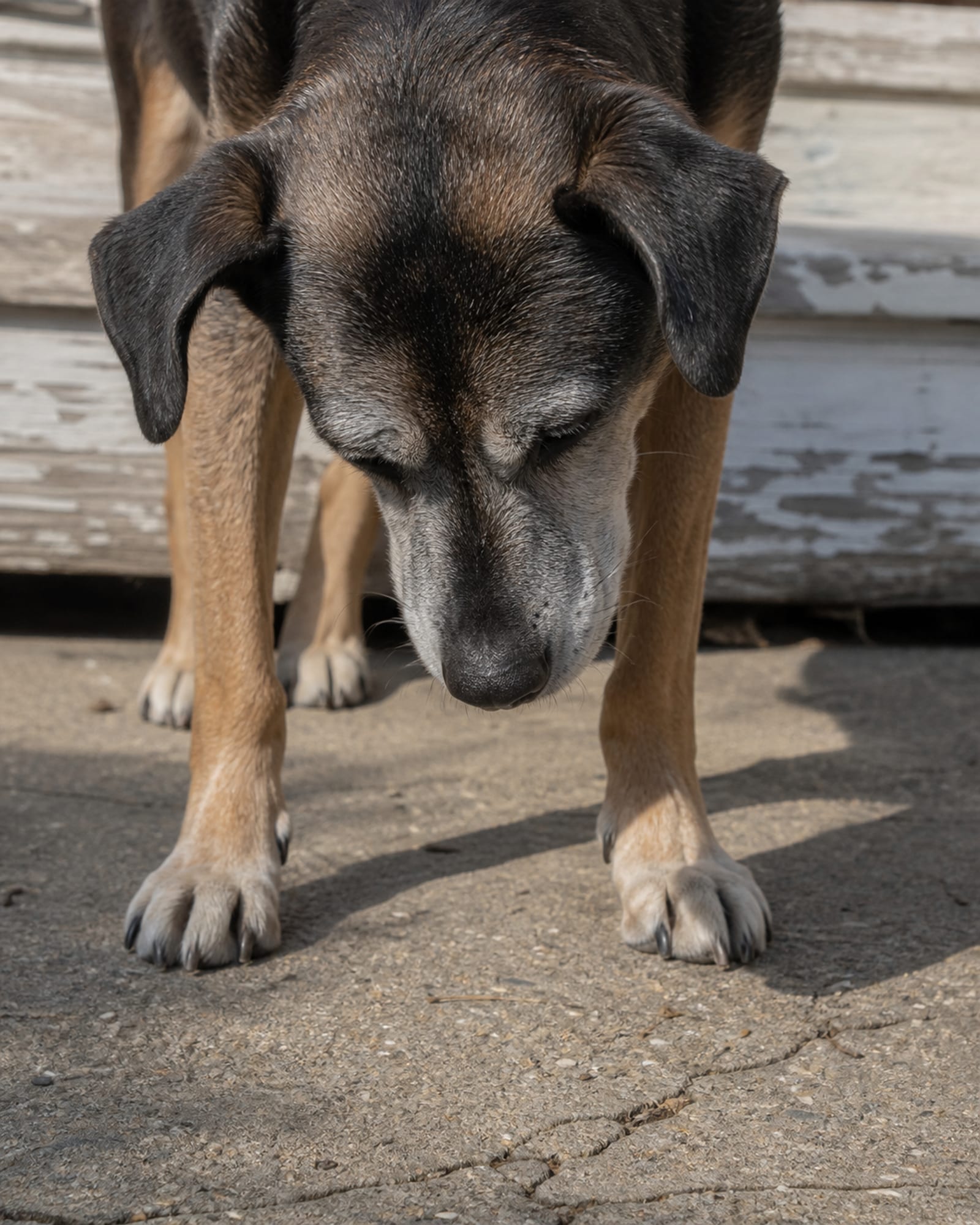
A close vertical of a dog's front paws and lowered head on a floor
Board and train means your dog lives with me for two or three weeks and works every day while it is here. Two weeks of on-leash work is $3,600. Three weeks covering on and off leash is $4,800. All training equipment is included in both, there is a payment plan, and the weeks end with lessons that hand the work over to you.
The reason people call about it is usually time rather than technique. They know what their dog needs to learn. They also know that between work, the school run and everything else, nobody in the house is going to do the same thing at the same door twenty times a day for a fortnight. I will.
What it is not is a drop-off. Your dog comes home to the people it lives with, and if those people go back to doing what they did before, the dog goes back too. That is why the handover matters more than the boarding, and why I would rather talk you out of this program than sell it to a household with no intention of keeping it going.
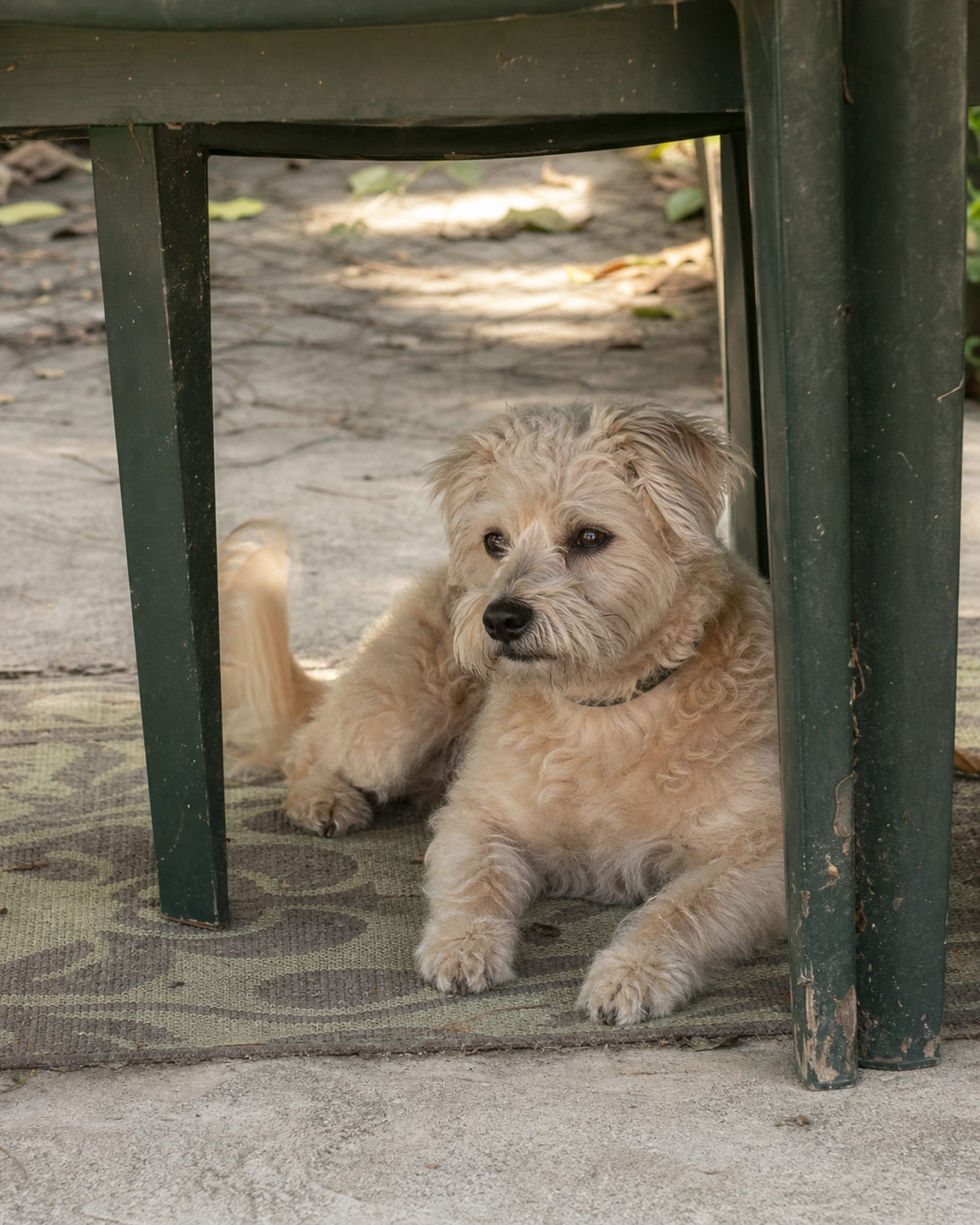
A dog lying under a table with chair legs framing it
Published, not quoted. All training equipment is included in the program price, and a payment plan is available.
$3,600
The standard program. On-leash obedience, house manners, and the behavior work your dog actually needs. Most dogs come for this one.
$4,800
Everything in the two-week program plus off-leash reliability. Pick this if you want the dog trustworthy with no leash attached, and understand that off-leash is a progression rather than a switch.
$175 per hour
Plus $60 per day for boarding. For owners who want something narrower than a full program, or more time after one.
Most board and train programs run out of a kennel or a training facility. Mine does not. Your dog lives in my house, on a normal household routine, because that is the environment the training actually has to work in.
A dog can look flawless in a kennel and fall apart in a living room. Training in a home means the doorbell, the furniture, the kitchen, and the coming and going are all part of the work rather than a surprise waiting at the end of it.
It also puts a natural cap on numbers. This is a house, so there is a limit to how many dogs can be in it and still get the individual attention that is the whole point of sending one here.
You are entitled to ask any trainer where the dogs actually sleep, how many are there at once, who is with them overnight, and what licensing applies where the dogs are housed. Anne Arundel County publishes commercial kennel licensing requirements, and the rules differ by county and city across this area. Ask me those questions on the phone. Ask anyone else them too.
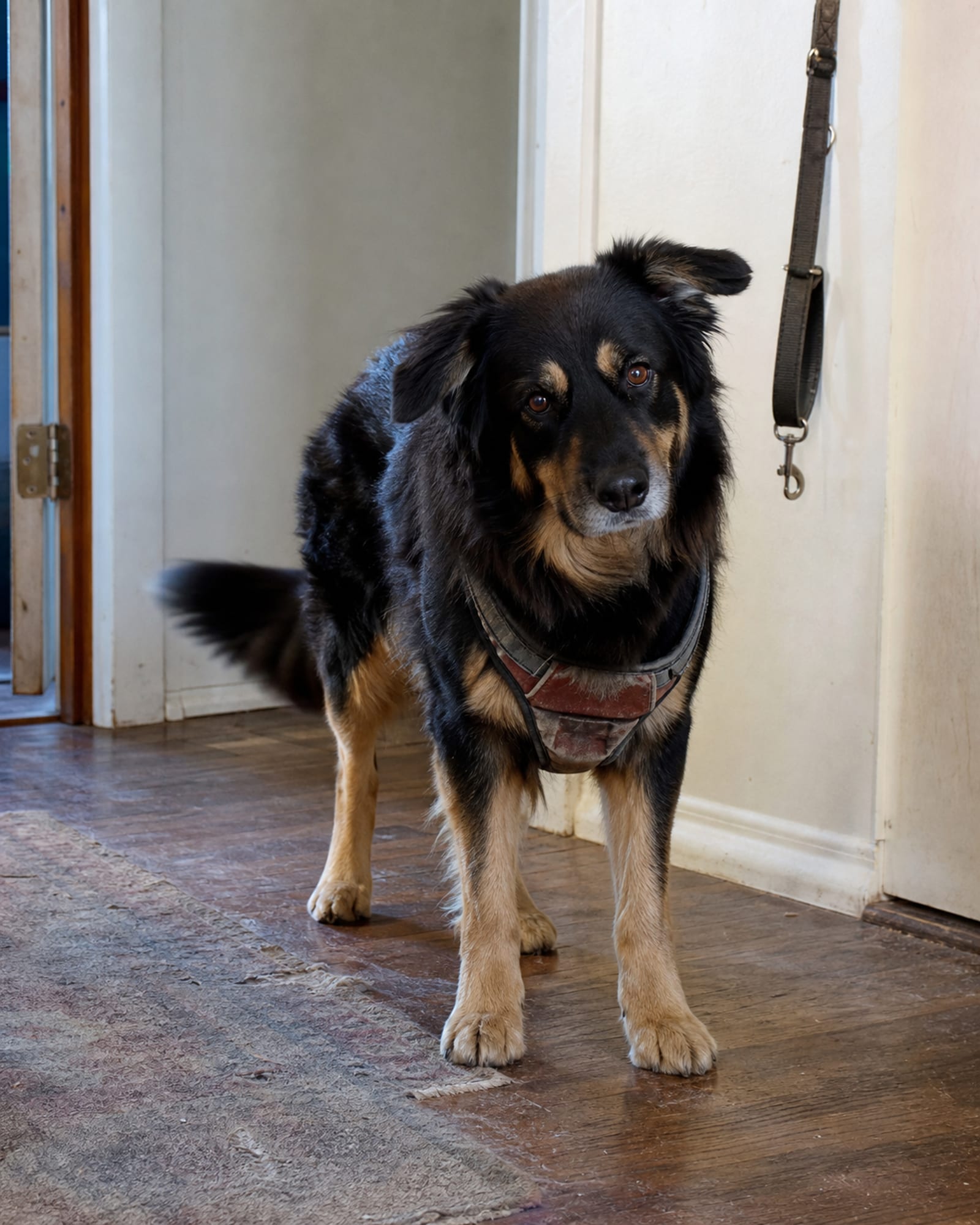
A dog standing in a hallway with a lead hanging on the wall behind, unclipped
Which of these gets the most attention comes out of the evaluation and what I see in the first few days.
01
Loose-leash walking, sit, down, place, and coming when called. The everyday skills that decide whether living with your dog is easy or exhausting.
02
Doors, thresholds, counters, furniture rules, and settling when the house gets busy. Learned in a house, which is why they carry over to yours.
03
A dog that rests calmly when asked, in a crate or on a bed, rather than pacing or barking through the evening.
04
The doorbell, deliveries, cooking, visitors, other dogs. The things that undo training happen at home, so they get worked at home.
05
Three-week program only. Recall on a long line first, proofed against the specific things that pull your dog, and tested where failing is safe rather than where failing is a road.
06
The part that decides whether the rest survives. You learn the handling, the timing, and what to do when your dog tests you in the first week home.
You tell me what your dog is doing and what you want changed. I tell you whether board and train is the right program, or whether in-home lessons or Kick Start would serve you better. That second answer is an honest one, not a sales call.
$100, in your home, face to face. It rolls into the training fee if you go ahead, and there is no obligation to go ahead. For a residential program I want to have met the dog and seen the household first.
Your dog arrives and spends the first days learning the routine of the house before the real work loads up. A dog still worried about where it is cannot learn much.
Structured sessions every day, then the rest of the day living in a house and practising it. The neighborhood and local parks come in as your dog is ready for them.
You come and learn the handling, and take the leash yourself while I watch. After the face-to-face training you have lifetime trainer support, so if something shifts a year from now you can still call.
A dog does not automatically perform the same way for a different handler in a different house. This is the most common way a residential program disappoints someone, and it has nothing to do with how well the dog was trained.
Your dog will read you differently than it reads me. It knows what I will do if it ignores a cue, because it has spent two weeks finding out. It does not know what you will do. So the first week home is a negotiation, and the training holds or unwinds depending on how that week goes.
That is what the handover lessons are for. You learn the timing, the equipment, and the specific ways your dog will test you, before it tests you. Then you have my number for as long as you own the dog.
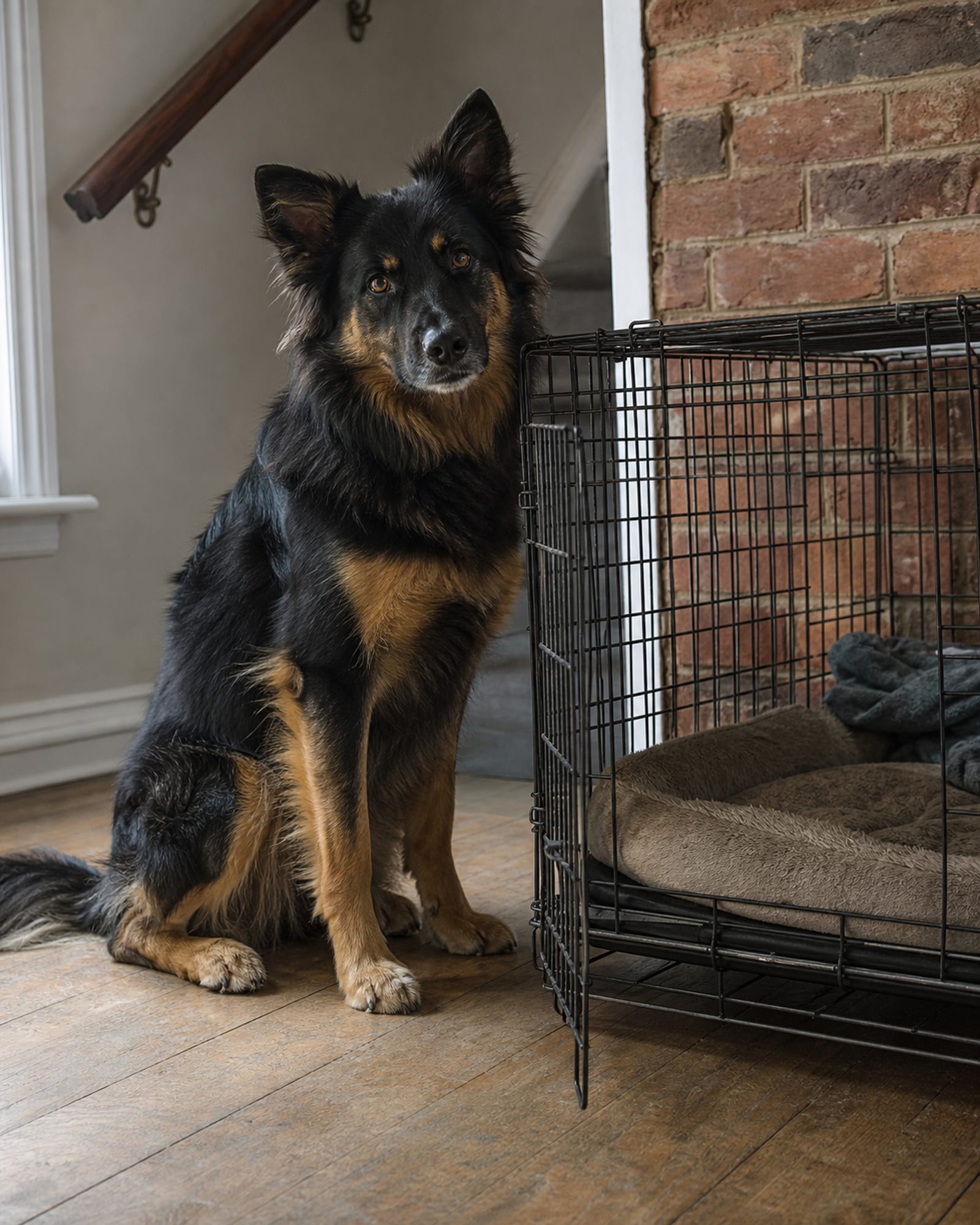
A dog sitting upright beside an open crate door
If you're looking/have been looking for someone that is skilled enough to hack into your dog's brain, and make you fall in love ten times over with your dog post training, then please choose Denise Willis! Her and trainer Shelby worked wonders with my Australian Shepherd puppy, Lia. Lia is now the best version of herself as a "working dog", and they are the ones responsible for the foundation of this success. Denise is very attentive to making you, the owner, feel at ease with the training process, and she always makes herself available to answer any questions or concerns that you may have. Lia and I are SO grateful for Denise and Shelby! 5 stars all the way!!!




Board and train is a real commitment of money and time, so it is worth a conversation before you book it. Call me at (443) 429-0445, 6 AM to 7 PM, seven days a week, and tell me what your dog is doing.