

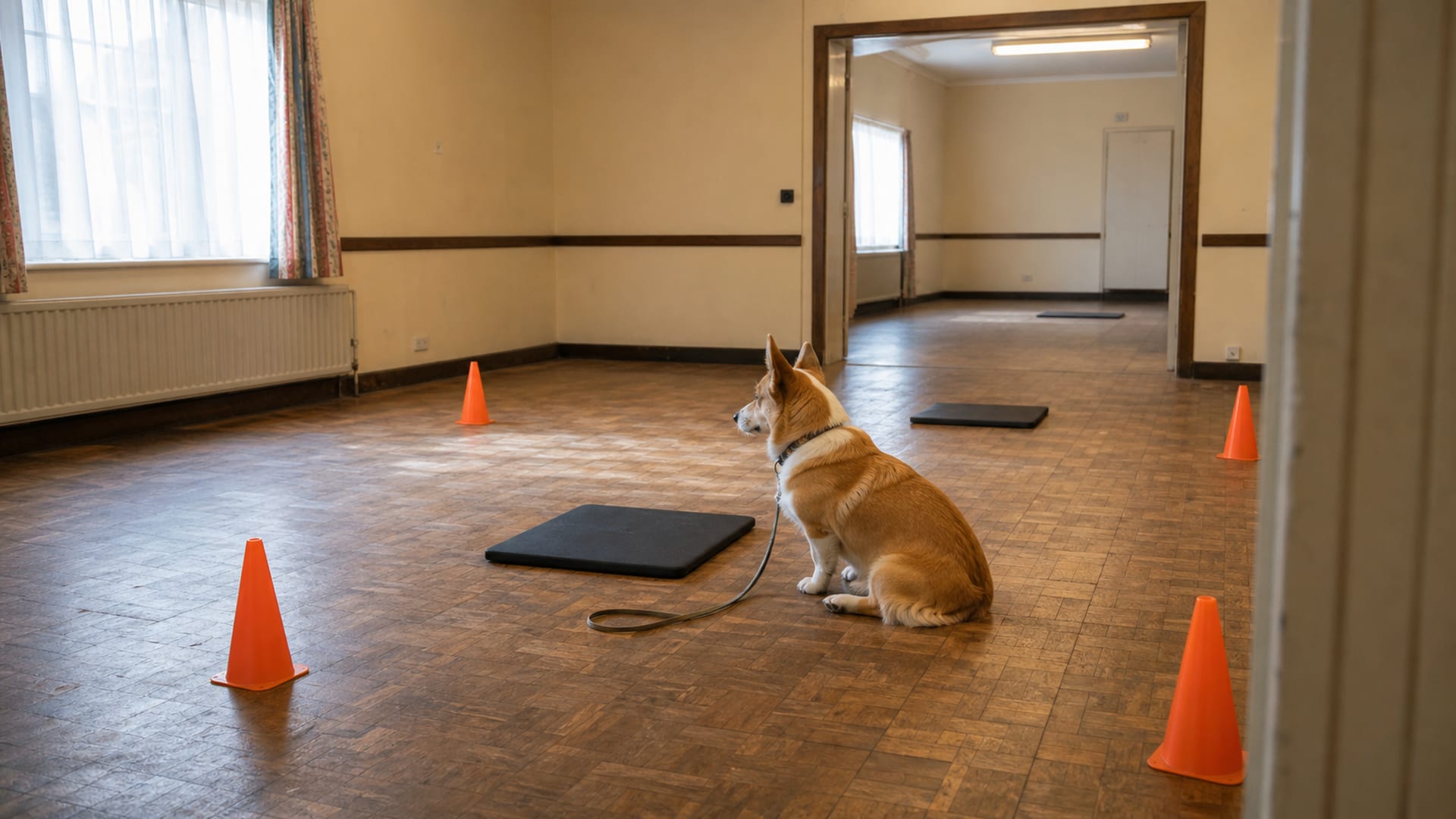
Are you searching for the best dog training classes in Baltimore to transform your furry friend into a well-behaved, happy companion? With so many options available, it can be overwhelming to find the right program that fits your unique needs and goals.
As a professional dog trainer, I've seen firsthand the frustration and confusion that many dog owners experience when trying to navigate the world of training. That's why I've put together this comprehensive guide to help you cut through the noise and make an informed decision.
By understanding the key factors to consider and exploring the proven methods used by top trainers, you'll be well on your way to unlocking your dog's full potential and building a stronger bond than ever before.
The Short Version
Hover or tap a card to bring it forward.
- Start with your own dogLeash pulling, reactivity, barking, chewing, shaky obedience or house training. Name the problem before shopping for a class.
- What a professional addsExpertise, a plan built for your dog, faster progress, and the accountability that keeps you practising.
- What to compareTrainer qualifications, methods and philosophy, class size and format, location and schedule, and cost against value.
- Age is not a barrierPuppies can start foundation work from eight weeks, and adult dogs benefit at any age.
- Aggression needs specificsIt responds well to training, but only with a trainer experienced in that area.
Understanding Your Dog's Needs
Every dog is different, with their own personality, strengths, and challenges. Before diving into training classes, it's essential to take a step back and consider your dog's specific needs. Some common issues that lead dog owners to seek professional training include:
- Leash pulling and lack of focus during walks
- Aggressive or fearful behavior toward other dogs or people
- Excessive barking or destructive chewing
- Difficulty with basic obedience commands like sit, stay, and come
- House training accidents or inconsistency
Recognizing these challenges is the first step in finding the right training solution for your dog. At DW Dog Training, we take a personalized approach to understanding each dog's unique needs and developing a customized training plan to address them.
The Benefits Of Professional Dog Training Classes
While it's possible to attempt training your dog on your own, working with a professional trainer offers numerous benefits:
- Expertise and experience: Professional trainers have the knowledge and skills to effectively communicate with dogs and teach them new behaviors, even in challenging situations.
- Customized approach: A skilled trainer will assess your dog's individual needs and develop a tailored training plan to help them succeed.
- Faster results: With consistent, structured training sessions and expert guidance, you'll likely see faster progress than if you were training on your own.
- Support and accountability: Attending training classes provides a support system and helps keep you accountable and motivated to continue working with your dog outside of class.
At DW Dog Training, our experienced trainers are dedicated to helping you and your dog build a strong, positive relationship through effective communication and training techniques.

What To Look For In A Dog Training Class
When searching for dog training classes in Baltimore, there are several key factors to consider:
- Trainer qualifications and experience
- Training methods and philosophy
- Class size and format (private vs. group)
- Location and schedule
- Cost and value
At DW Dog Training, we pride ourselves on our certified, experienced trainers who use proven, positive reinforcement-based methods to help dogs and their owners succeed. We offer a range of training options, including private in-home sessions, small group classes, and board-and-train programs, to fit your lifestyle and budget.
Our Dog Training Process
Our training process at DW Dog Training is designed to help you and your dog achieve lasting results through a clear, consistent approach. Here's what you can expect:
- Consultation: We begin with a detailed consultation to understand your dog's needs, your goals, and your lifestyle. This helps us create a personalized training plan tailored to your unique situation.
- Foundation skills: We focus on teaching essential foundation skills like attention, impulse control, and basic obedience commands. These skills lay the groundwork for more advanced training and help your dog succeed in various situations.
- Real-world practice: Our training sessions incorporate real-world scenarios and distractions to help your dog learn to respond reliably, even in challenging environments.
- Owner education: We believe that training is a partnership between dog and owner. That's why we prioritize teaching you the skills and techniques to effectively communicate with and train your dog, both during and after our sessions.
- Ongoing support: Our commitment to your success doesn't end when your training program does. We offer ongoing support and resources to help you continue progressing and overcoming any new challenges that arise.
Throughout the training process, our experienced trainers use positive, reward-based methods to encourage good behavior and build a strong, trusting relationship between you and your dog.
How the Training Process Runs
- ConsultationA detailed conversation about your dog's needs, your goals and your lifestyle, which is what the plan gets built from.
- Foundation skillsAttention, impulse control and basic obedience. Everything more advanced sits on top of these.
- Real world practiceSessions bring in the scenarios and distractions the dog will actually meet, so the response holds up outside class.
- Owner educationYou are taught the skills too, because training is a partnership rather than a service performed on the dog.
- Ongoing supportThe commitment carries on past the end of the programme, for whatever new challenge turns up.
Frequently Asked Questions About Dog Training Classes in Baltimore
Q: How do I know if my dog needs professional training?
A: If you're struggling with behavior issues like leash pulling, aggression, or destructive chewing, or if you're finding it challenging to teach basic obedience commands, professional training can help. Training classes provide structure, expertise, and support to help you and your dog succeed.
Q: What age should I start training my dog?
A: It's never too early (or too late!) to start training your dog. Puppies can begin socialization and foundation training as early as 8 weeks old, while adult dogs can benefit from training at any age. The key is to start with a positive, age-appropriate approach and stay consistent.
Q: How long does training take?
A: The length of training depends on various factors, including your dog's age, learning style, and the specific behaviors you're working on. At DW Dog Training, our programs typically run for several weeks, with regular practice sessions in between. However, training is an ongoing process, and consistency is key to maintaining your dog's skills over time.
Q: Will training classes help with aggression issues?
A: Professional training can be highly effective in addressing aggression issues, but it's important to work with a qualified trainer who has experience in this area. At DW Dog Training, we use positive, science-based methods to help aggressive dogs learn new coping skills and build confidence. We also work closely with owners to ensure safety and teach them how to manage and prevent aggressive behavior.
Q: How much do training classes cost?
A: The cost of dog training classes varies depending on factors like the trainer's experience, location, and the type of program. Group classes tend to be less expensive than private sessions, while board-and-train programs are typically the most intensive and costly. At DW Dog Training, we offer a range of options to fit different budgets and needs, and we believe that investing in your dog's training is a worthwhile investment in your relationship and their overall well-being.
Check What You Picked Up
How early can a puppy begin socialization and foundation training?
Which format is described as typically the most costly?
What comes first in the training process?
Why is owner education treated as part of the programme?
Answer a question to see your score.
Final Thoughts
Choosing the best dog training classes in Baltimore is an important decision that can have a profound impact on your relationship with your furry friend. At DW Dog Training, we're committed to helping dogs and their owners build strong, positive bonds through effective communication and training techniques. Our experienced trainers, personalized approach, and proven methods set us apart and help our clients achieve lasting results.
If you're ready to take the next step in your dog training journey, we invite you to contact us to learn more about our local dog training programs and how we can help you and your dog thrive together. With the right training and support, you can unlock your dog's full potential and enjoy a lifetime of companionship and adventure together.
Hover or tap a row to highlight it.
| Format | What it is | Where it sits on cost |
|---|---|---|
| Group classes | Small classes with other dogs, adding structure and socialization | Tends to be the least expensive |
| Private in home sessions | One to one, in the environment where the problems actually happen | Between the two |
| Board and train | The most intensive option, with the dog staying for the programme | Typically the most costly |