

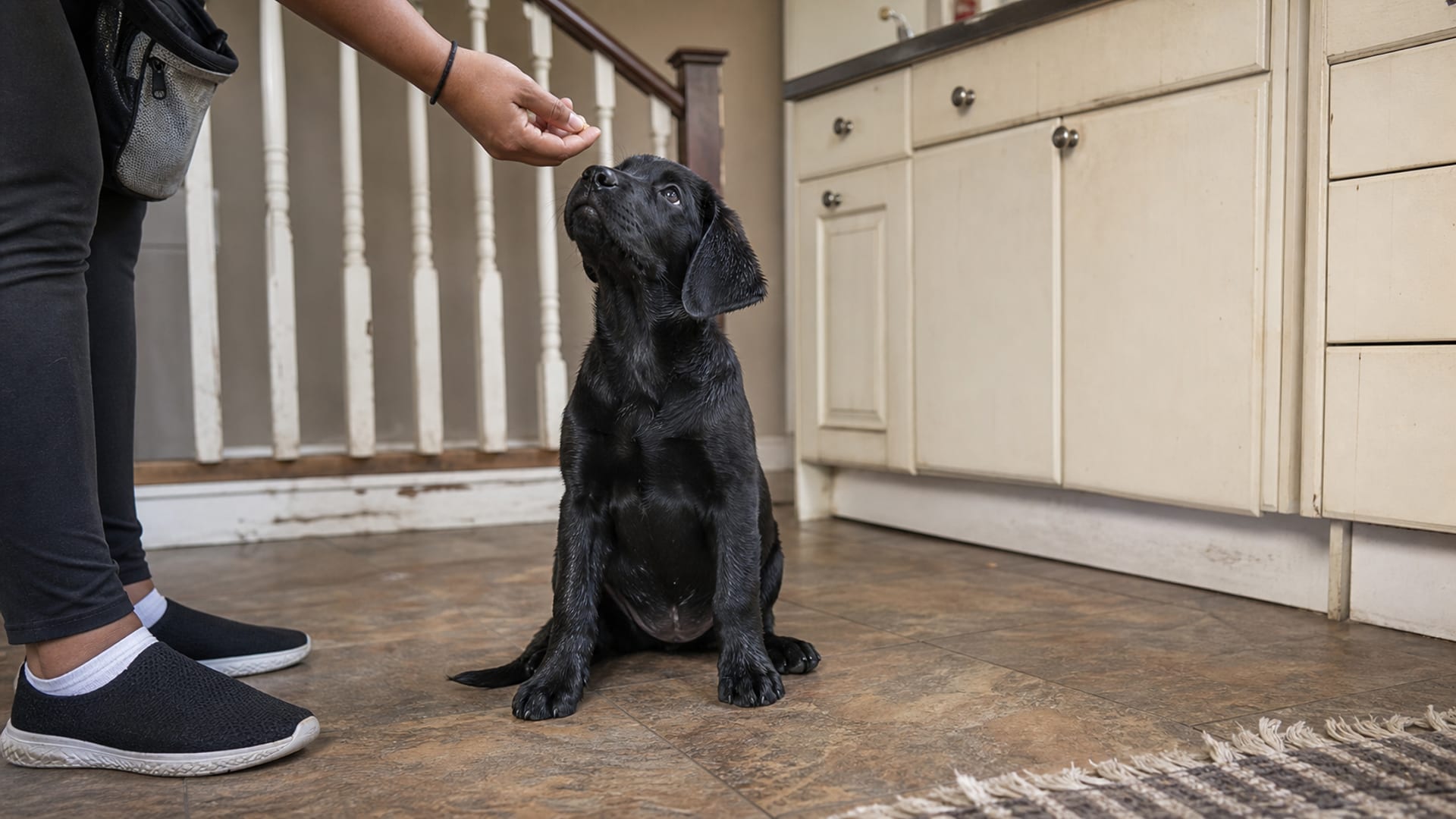
Bringing a new puppy into your home in Baltimore is an exciting time, but training and socializing your puppy properly is key to having a well-behaved dog. Proper puppy training establishes good behaviors and manners early on, setting up your dog for success as an adult. This article will provide an overview of puppy training goals, finding a trainer, teaching basic obedience commands, house training, socialization, and managing unwanted behaviors.
What Should You Know About Puppy Training in Baltimore
The first few months with your puppy are critical for proper training and socialization. By beginning training early, you can instill good habits and prevent problem behaviors down the road. The main goals of puppy training include:
- Socialization with people, dogs, places, sounds, etc. This exposure in a positive context prevents fear and anxiety issues later on.
- Basic manners like not jumping or nipping
- Learning basic obedience commands like sit, stay, and come
- Housetraining and crate training
- Building a strong bond and communication with your puppy
The first 6 months of a puppy's life are the most developmental - their brains are primed for building neural connections that shape future behavior and responses. So starting young sets them up for success. In Baltimore, there are lots of great options for puppy training classes and professional trainers who use positive reinforcement methods.
Key Takeaways for Puppy Training in Baltimore
The First 6 Months are Critical for Development
- Use this developmental priming stage to build good habits
- Socialization prevents future fear/anxiety issues
- Stop unwanted behaviors before they become ingrained
Find a Reputable Baltimore Trainer
- Certified trainers ensure humane, expertise-based methods
- Choose classes fit for your puppy's age and needs
- Small classes and private sessions allow personalized attention
Start Basic Obedience Early
- Focus initial commands on safety, impulse control, and bonding
- Short, engaging sessions optimize puppy attention spans
- Use rewards-based/positive reinforcement-based training
Set Up Structure for Housebreaking
- Close supervision prevents accidents in the house
- Stick to a consistent and frequent potty schedule
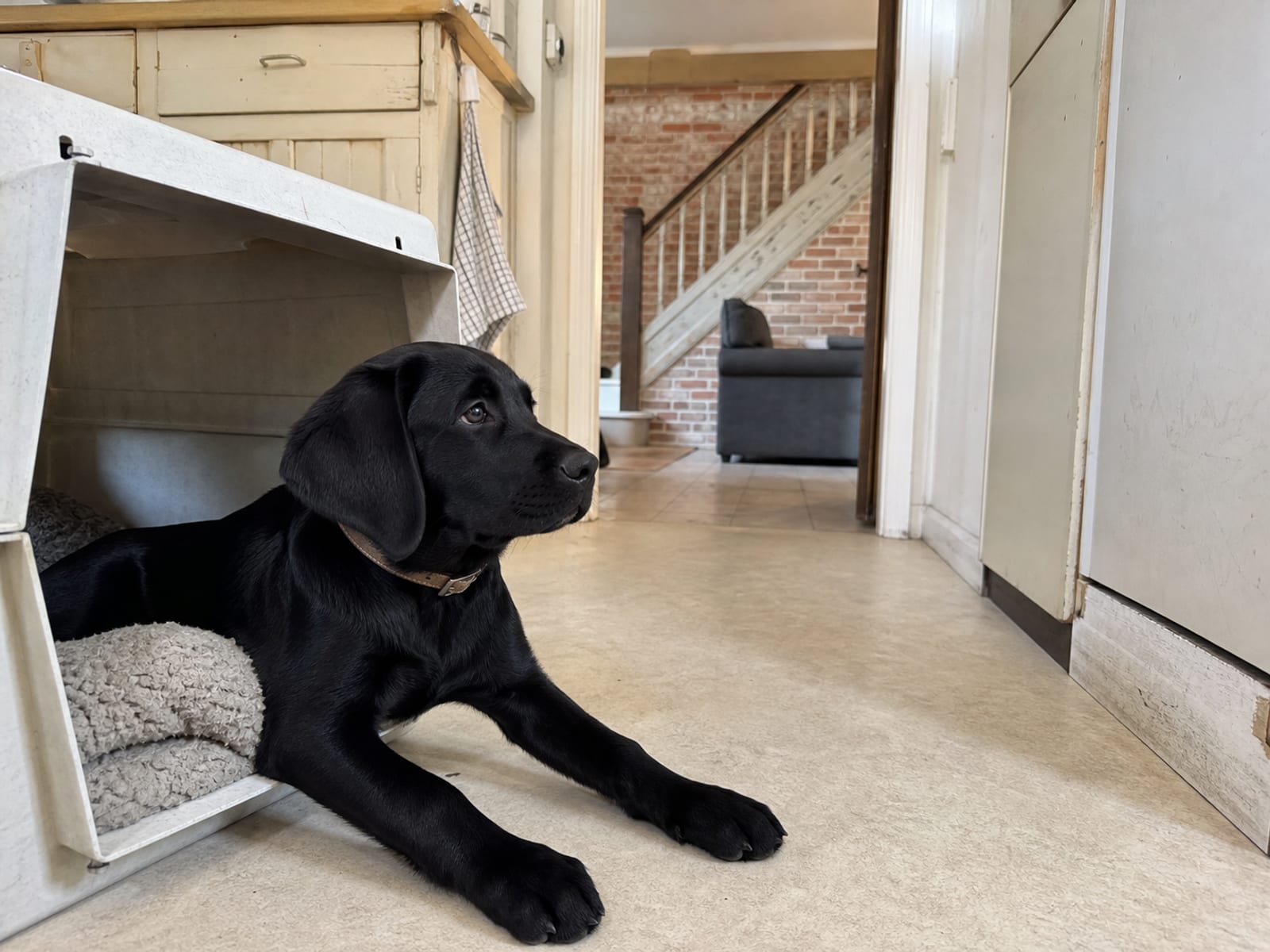
- Use crate training to utilize den instincts
Prioritize Socialization
- Gradually introduce new people, dogs, environments, etc.
- Make sure exposures are safe and positive contexts
- Pair socialization with praise and rewards
Continue Skills Development into Adulthood
- Lifelong training solidifies good behaviors long-term
- Maintain social skills and stimulation
- Work towards a Canine Good Citizen certificate
Consistency and Patience Are Key
- Accentuate positive behaviors over punishing negatives
- Tailor training to your unique puppy
- Persistence pays off with a well-adapted dog

Finding a Puppy Trainer in Baltimore
While some basic training can be done yourself, working with professional dog trainers in Baltimore provides expert guidance specific to your pup and also opportunities for socialization. Some things to look for when finding a trainer include:
- Certified and experienced working with puppies
- Uses reward-based/positive reinforcement training methods
- Small class sizes or offers private sessions
- Covers socialization, obedience, manners, and problem-solving
- Continues building skills for adolescence and adulthood
Finding the right trainer sets you up for training success throughout all life stages after puppyhood. An excellent trainer suits their approach to each puppy's unique personality and needs.
Basic Obedience Commands to Teach Your Puppy
The basic obedience commands to start teaching any puppy include:
- Sit - Fundamental command for manners and impulse control
- Stay - Prevents chasing or bolting, which is important for safety
- Come - The most important command for reliability off-leash
- Down - Calms excited energy and teaches listening skills
- Heel -Structured walking and focus next to you
Hover or tap a row to highlight it.
| Command | What it actually buys you |
|---|---|
| Sit | The foundation of manners and impulse control |
| Stay | Prevents chasing and bolting, which makes it a safety cue |
| Come | The most important command of all, and the one that makes off leash possible |
| Down | Settles excited energy and builds listening |
| Heel | Structured walking with the dog focused next to you |
When teaching these commands, use rewards-based techniques, meaning you give treats/praise when they demonstrate the desired response. Other key tips include patience, consistency, keeping sessions short for puppies, and using real-life practice not just formal training. Work at your puppy's pace and make it fun!
House Training Your Puppy
To set your puppy up for success with house training, start with an understanding of their physical capabilities and signals:
- Puppies cannot physically hold their bladder for long, needing potty breaks every 1-2 hours
- Learn their potty signals like circling or sniffing
- Prevent accidents by frequent potty trips, close supervision, and confinement when you can’t watch them
- Crate training utilizes dogs’ instinct to not soil their den
House Training, in the Order It Actually Happens
- Start with their physiologyA puppy cannot hold its bladder for long. Breaks every one to two hours, and roughly every forty five minutes while active.
- Learn the signalsCircling and sniffing come before the accident. Reading them is most of the job.
- Prevent rather than correctFrequent trips, close supervision, and confinement whenever you cannot watch.
- Use the den instinctCrate training works because a dog will not willingly soil its own den.
- Pay every successPraise and a treat for correct bathroom habits, outside, straight away.
- Clean accidents properlyAn enzymatic cleaner, so the spot does not keep advertising itself.
Develop a consistent schedule with potty breaks about every 45 minutes when they are active. Always praise and give treats for correct bathroom habits. Thoroughly clean any accidents with an enzymatic cleaner. Be patient and consistent, as puppies physically cannot yet control their bladder.
Socializing Your Baltimore Puppy
As a Baltimore puppy, proper socialization includes positive exposure to:
- New people - men, women, and children of different ages/races
- Friendly dogs - varying sizes/energy levels
- Urban noises - sirens, buses, construction, etc.
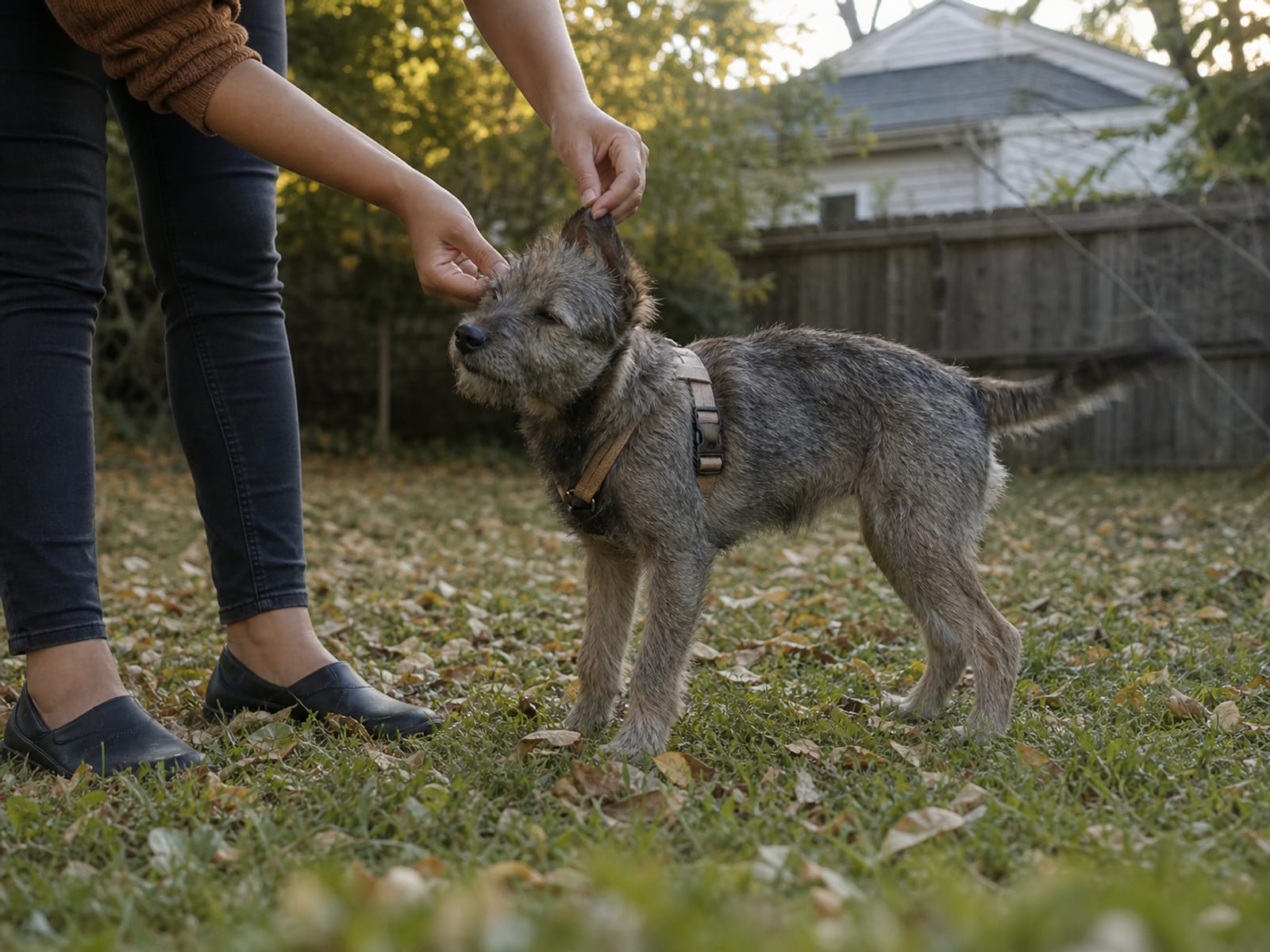
- Handling- touching paws, ears, tail, mouth
- Locations- parks, stores, elevators
- Surfaces- wood floors, metal grates, slippery tiles
This stimulus in a positive context builds confidence and trust in your puppy, preventing fear-based behaviors. Socialization is especially key for breeds prone to wariness or aggression later on. Seek controlled and safe settings for making introductions. Maintain engaging with your puppy during exposures and pair stimuli with treats/praise.
Managing Unwanted Behaviors
As normal puppy behaviors, nipping, mouthing, and jumping up must be properly redirected. Puppy training sets the foundation for minimizing these unwanted habits long-term:
- Have ample chew toys on hand to redirect from hands/feet nipping
- Say "ouch!" to feedback that nipping hurts, praise gentle play
- Ignore/walk away when jumped on, reward four paws on the floor
- Be consistent in not allowing undesirable habits to continue
Reinforce positive behaviors you want to see instead, using food, toys, and attention rewards. Part of puppy training is teaching good behaviors to replace unwanted ones through patient and consistent guidance.
Preparing for a Well-Mannered Adult Dog
While formal puppy training generally covers until 6 months old, the first 1-2 years of a dog's life are still critical for building skills, habits, and behaviors that they'll carry into adulthood. Important components for the next training stages include:
- Continuing obedience training, increasing distraction levels
- Maintaining social skills around new dogs/people/places
- Considering advanced skills like agility or nosework
- Working towards the AKC Canine Good Citizen test for manners
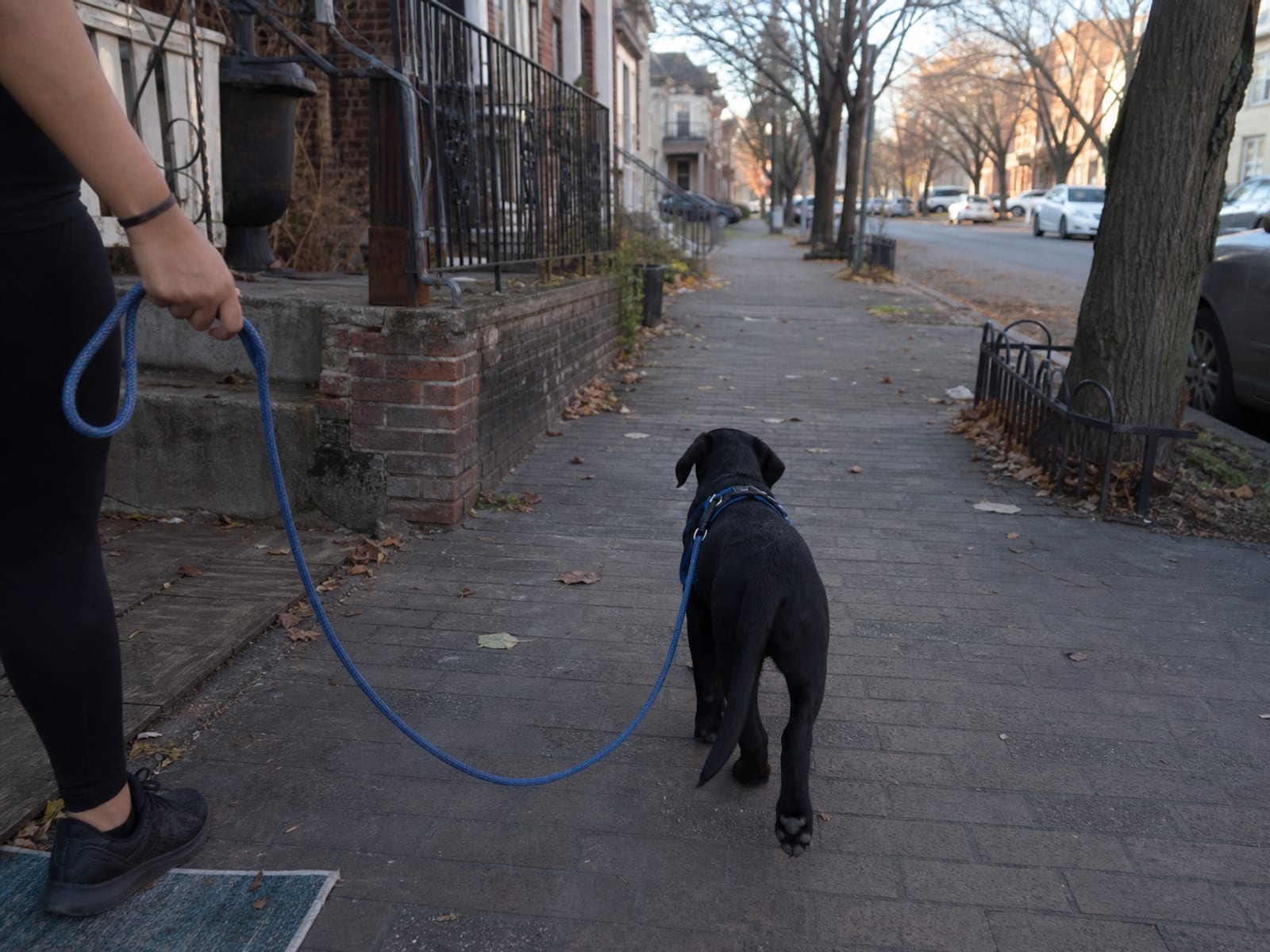
- Practicing loose leash walking for enjoyable strolls together
- Engaging their minds through interactive toys and activities
The end goal of puppy training is to shape and support development into a happy, confident, well-adjusted adult dog. Keep reinforcing training foundations and engaging your dog - this stage still makes an immense impact. Consistency, patience, and kindness remain key tenets of relating with your dog long-term.
Frequently Asked Questions AboutPuppyTraining In Baltimore
When is the best age to start training a puppy?
The best age to start puppy training is 8-12 weeks. This is during the critical socialization period when puppies are most receptive to learning obedience cues, proper manners, and positive experiences with people and environments. Starting young sets them up for success as adult dogs.
When should I start training my puppy with a professional trainer?
You can start group puppy training classes as early as 10-12 weeks old once your puppy has received their second round of vaccines. For private in-home training, wait until 12-16 weeks once all vaccines are complete. Many professional trainers utilize expertise positive-reinforcement based methods vital for development.
How many weeks does it take to properly train a puppy?
Plan for 12-16 weeks of consistent puppy training both through professional classes and daily practice at home. Training is an ongoing process as pups mature, but focus this early development on priority skills like potty habits, basic commands, impulse control, and socialization.
What is the most important part of puppy training?
Proper extensive socialization to new sights, sounds, surfaces, people, dogs, and environments during puppy training is the most crucial for minimizing anxiety and problematic behaviors later in adulthood. Introduce stimulus gradually and ensure positive associations through praise and rewards.
Check What You Picked Up
How often does an active puppy need a potty break?
Why does crate training help with house training?
Which command does the article call the most important?
Why must socialization happen in safe, positive contexts specifically?
Answer a question to see your score.
Final Thoughts
In summary, puppy training starts with proper socialization, redirection of unwanted habits, building communication through basic obedience commands, and housetraining. By beginning early and utilizing reward-based training, you promote good manners and behaviors in your adult dog down the road. Find the right certified trainer for your needs, practice consistency, and make sure sessions stay engaging and fun! Proper puppy training takes work but pays back exponentially in your dog's future responses and the strong relationship between you. With the right start in early development, your Baltimore puppy will become a happy companion for life.
Creating Lasting Bonds Through Communication
At DW Dog Training, our goal is to help you build a strong lifelong bond with your canine companion. We believe open communication and mutual understanding are the keys to a happy relationship between pets and their people.
Our customized training programs aim to give dog owners the skills to clearly convey their needs, set reasonable expectations, and reinforce positive behaviors. We want to empower you with simple, effective methods to relate to your unique pup.
Whether your dog is struggling with basic obedience, behavioral issues, or you simply want to deepen your connection, our experienced trainers can provide tailored guidance. We keep sessions engaging for both you and your dog while accentuating the joy.
By learning to communicate better with your pet, frustrations subside on both ends. You’ll be able to prevent and resolve unwanted habits through consistent redirection. And your dog will look to you confidently for leadership.
At DW Dog Training, we don’t believe in quick fixes or excessively rigid methods. Our personalized approaches help dogs of any age or breed reach their potential through understanding, patience, and praise.
If you’re looking to improve obedience, address problem behaviors, or bond more deeply with your pup, contact us today. We’d be happy to learn more about your needs and create a custom training plan that sets you both up for long-term success.