

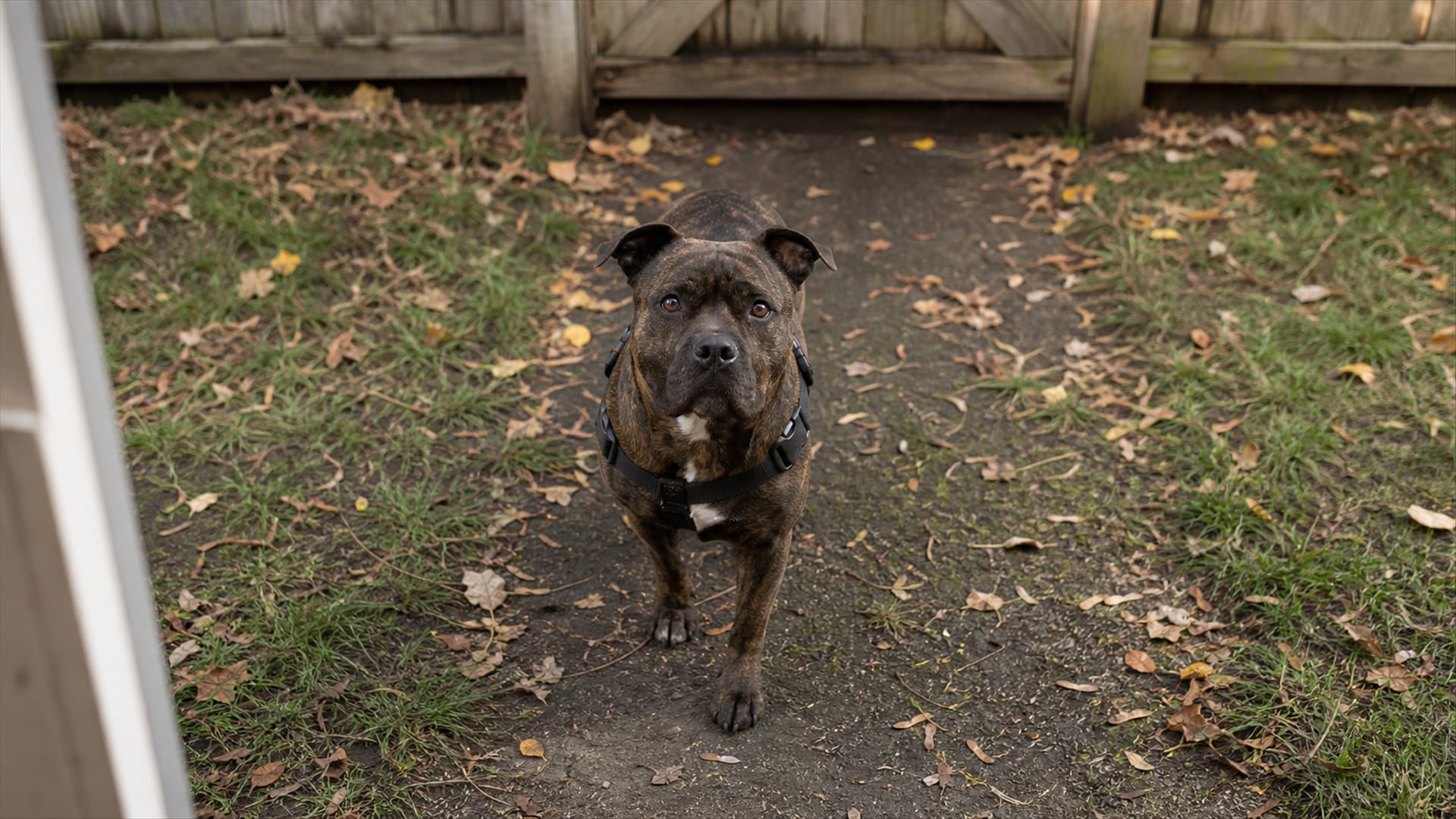
Baltimore is a vibrant city known for its rich history, delicious seafood, and dedicated sports fans. As a popular location for young professionals, families, artists, and more, Charm City sees its fair share of dogs bounding around local parks or Patiently waiting outside of bars and restaurants.
With an estimated 150,000 dogs living in Baltimore, pet parents know how important it is to have a well-trained furry friend by their side. Investing in dog obedience training ensures that your pup will behave properly when out in public or greeting guests at home. Well-trained dogs also forge stronger bonds with their owners.
This complete guide to dog obedience training in Baltimore will teach you:
Plus more tips for improving your dog's behavior!
- The benefits of obedience training
- What to look for in a qualified trainer
- The city’s top-rated training facilities and professionals
- Which methods and programs best fit your dog’s needs
- Answers to frequently asked questions about the process
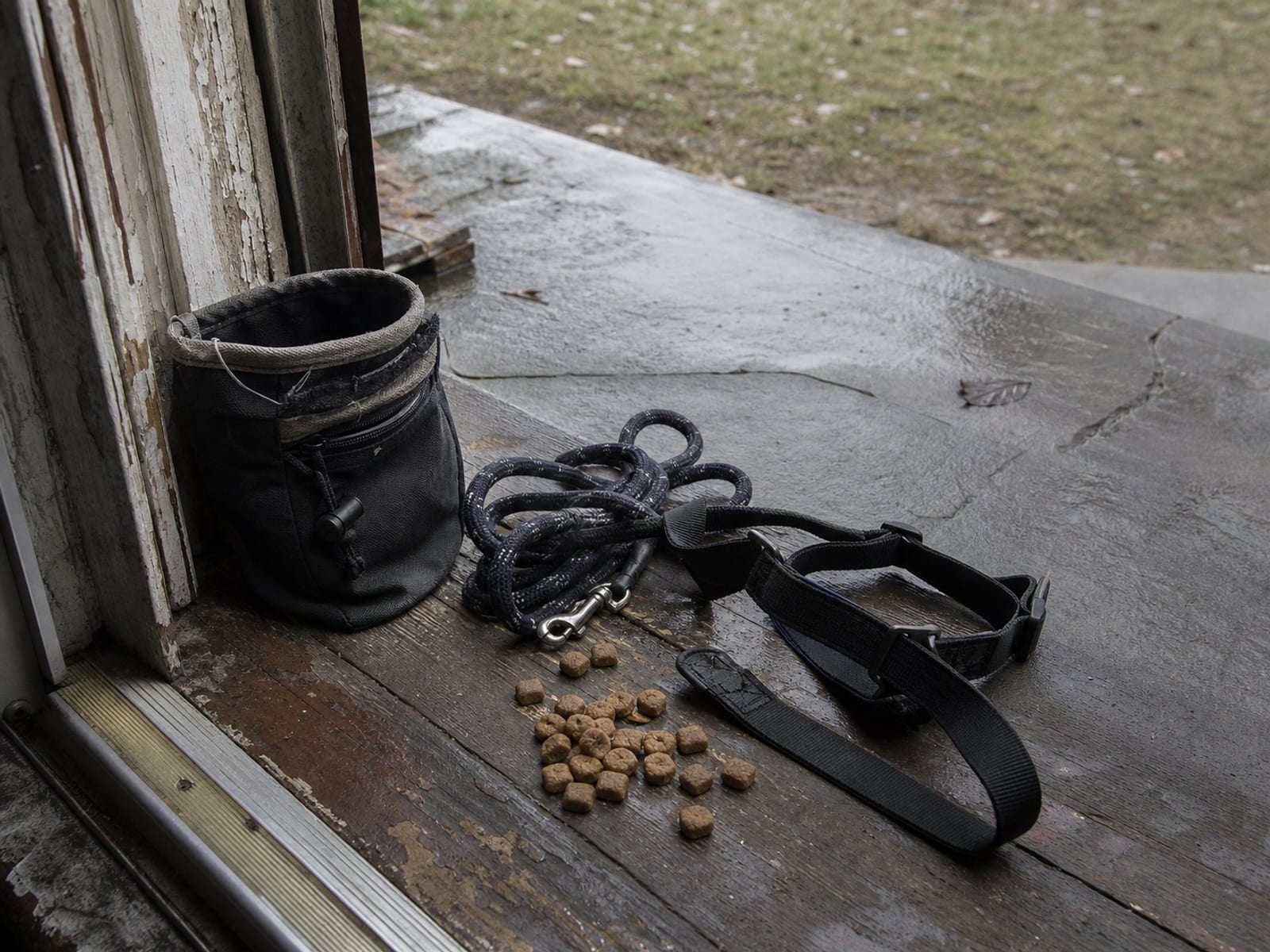
Key takeaways
Hover or tap a card to bring it forward.
- Well-trained dogs behave better in public, respond promptly to commands, and forge deeper bonds with owners. Professional skills coaching enables all this through positive methods backed by science.
- Dog training facilities earn rave Baltimore reviews by emphasizing customized curriculum, patient troubleshooting of issues, and clear owner communication.
- Reputable trainers have substantial hands-on experience with both puppies and adult dogs. They employ flexible techniques centered around praise and rewards.
- Setting aside time for group classes, private lessons, or specialty immersive training paves the way for good manners as well as lifestyle integration long-term.
- Consistency, repetition, socialization, and proofing skills in different environments help cues become second nature over time.
Why Is Dog Obedience Training Important?
Dog obedience training lays the foundation for good manners and responsive behavior from your pooch. Professional training is about more than just teaching your dog to sit, stay, and come on command, it establishes you as the clear leader and improves their impulse control.
Investing in classes, lessons, or immersive training programs provides major benefits like:
- Improved obedience: A professionally trained dog will listen and respond better to basic commands. This provides safety and structure for both owner and pet.
- Fewer behavior problems: Quality training curbs problematic behaviors like excessive barking, jumping up, pulling on a leash, or separation anxiety.
- Enhanced public manners: Well-trained dogs can accompany owners to restaurants, friends' homes, and busy parks without acting out.
- Stronger bonding and trust: Teaching and reinforcing commands together strengthen the relationship between the handler and the dog.
- Preparation for certification: Training prepares dogs to pass the AKC’s Canine Good Citizen test and other certifications.
Whether your goal is to resolve an ongoing behavior issue or proactively mold good manners, dog obedience training is time and money well spent.
Choosing an Obedience Trainer in Baltimore
With so many options for dog training in Charm City, it can feel overwhelming to select the right fit. Focus on these factors when researching professionals:
Training Methods and Philosophy
- Positive reinforcement: Humane, reward-based methods are most effective for the majority of dog personalities. Leading experts rely on praise, play, and treats over punishment.
- Individualized approach: Any quality program will be tailored to your dog’s unique needs and responses, not a rigid one-size-fits-all structure.
- Flexible techniques: The best trainers have multiple techniques in their toolkit to accommodate different situations.
Background and Credentials
- Hands-on experience: Look for 5+ years of professional experience training both puppies and adult dogs. First-hand expertise is invaluable.
- Formal education: Many exceptional trainers hold certifications from respected bodies like the Certification Council for Professional Dog Trainers (CCPDT) or the International Association of Animal Behavior Consultants (IAABC).
- Continuing education: The training industry evolves rapidly. Good professionals continually upgrade their skills and education.
Teaching Skills and Services
- Group classes: Group obedience sessions allow for socialization and proofing skills around other dogs. Multi-week courses build skills over time.
- Private lessons: One-on-one coaching accelerates progress through customized exercises and troubleshooting for your dog.
- Board and train: Some facilities board dogs for immersive training for a set duration, putting skills into practice around the clock.
- In-home training: Trainers come to your home turf, allowing them to observe your dog’s behavior in their natural setting and make recommendations.
Customer Reviews and Testimonials
- Happy clients: Training takes work, but a skilled trainer makes the process enjoyable for both pet and parent. Read rave reviews that emphasize good communication and lasting results.
- Speedy improvements: Many reviews cite noticeable improvements in their dog’s manners and obedience within just a few sessions.
- Good value: Quality training provides a worthwhile return on investment through better long-term behavior.
With these criteria for selecting a professional in mind, let’s look at some of Baltimore’s most reputable training businesses and standout talents.
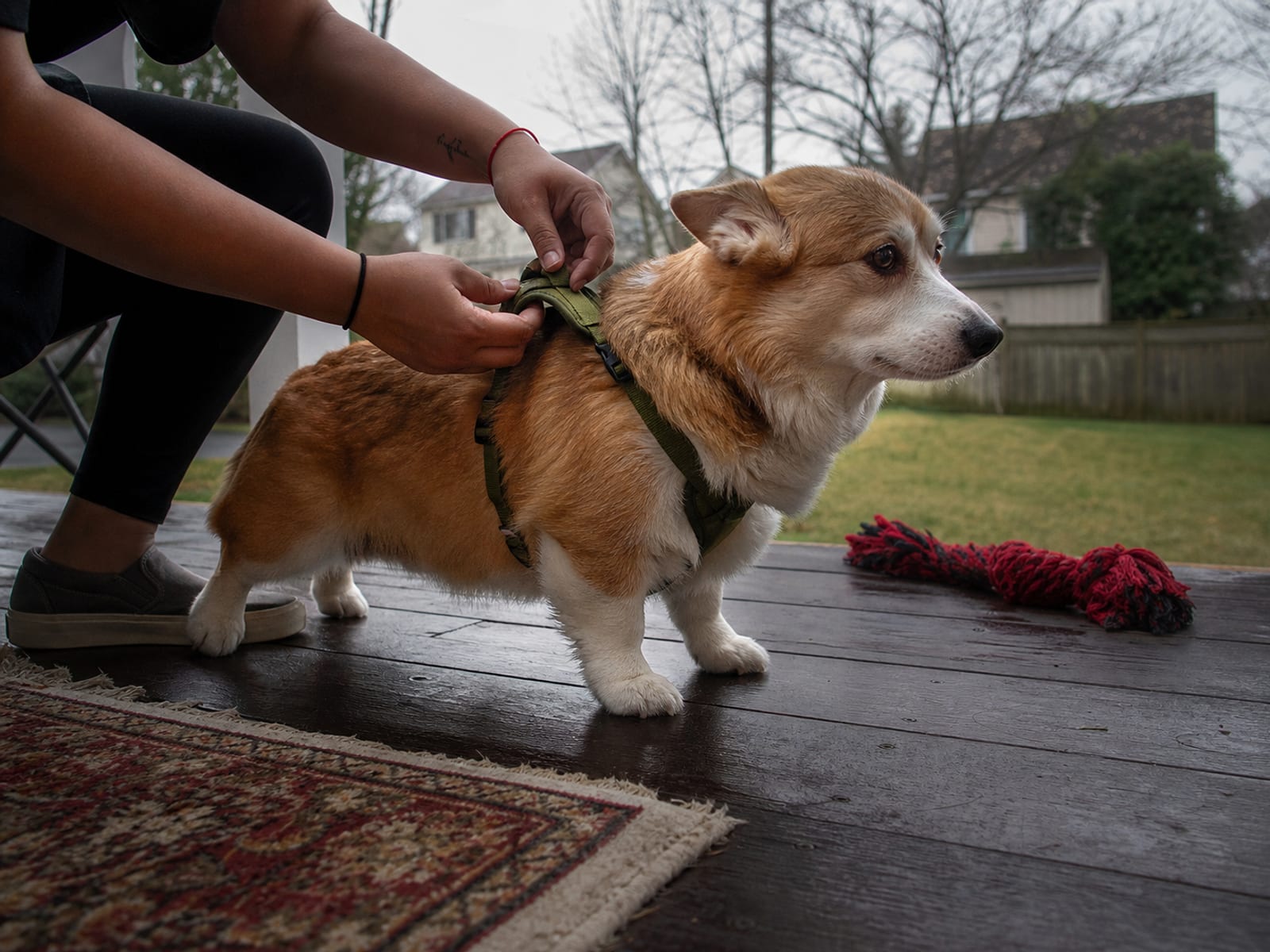
What Should You Expect from Classes and Lessons?
Baltimore dog owners have access to versatile curricula and settings when pursuing obedience training. While each trainer personalizes their approach, most lessons, courses, and sessions touch on core concepts like:
Basic Cues
The first step in any obedience program focuses on mastering basic cues through positive reinforcement like treats, toys, and praise. Common starter skills include:
- Sit and stay: Foundational for impulse control.
- Come or recall: Essential for safety off-leash.
- Down: Calms excited dogs.
- Heel and loose leash walking: Polite on-leash manners.
- Gentle and take: Safer handling and restraint.
- Leave it: Avoidance for safety.
Trainers help proof these cues around distractions to solidify reliability.
Behavior Troubleshooting
For dogs with entrenched problem behaviors, trainers develop customized modification plans that may include:
- Barking: Teaching quiet cues and addressing root causes like fear, loneliness, or frustration.
- Jumping: Rewarding four paws on the floor instead and asking for a sit upon greeting.
- Pulling: Proper leash handling technique combined with impulse control.
- Nipping: Redirecting rather than reacting to unwanted mouthing and providing appropriate chew toys.
- Anxiety: Soothing stressed dogs by conditioning them to enjoy being alone and confident when faced with triggers.
These targeted interventions rewire emotional responses over time.
Lifestyle Integration
Quality programs coach owners on how to make lessons stick long-term by generalizing skills to real environments. Tips often include:
- Assigning homework to practice in different locations.
- Proofing obedience around novel people, dogs, and distractions on walks.
- Keeping training sessions short, dynamic, and fun for puppies.
- Refreshing important cues daily even after they seem mastered.
- Using hand signals in tandem with verbal commands.
- Always rewarding desired behavior more than reacting to bad behavior.
With this integration guidance, owners feel empowered not overwhelmed post-training.
While curriculum varies based on each dog's needs, these core concepts improve manners and communication across the board.
Age RangePrimary Training GoalsSecondary Training Goals8-12 weeksHousebreakingCrate training Responding to name Hand targetingLoose leash walking introduction Sit exposure Handling desensitization Environmental socialization12-16 weeksReliable housebreaking Sit mastery up to 1 minute Loose leash walking Recall introductionDown command intro Grooming handling Car ride desensitization Expanded environmental socialization4-7 monthsEmergency recall mastery Heel introduction Extended downs up to 5 minutes Wait cue masteryDrop cue intro Balance work intro Confidence building around stimuli Public access preview
Service Options for Group and Private Training
Baltimore dog parents have diverse options when structuring an obedience training plan. Most professionals offer some blend of:
Group Dog Training Classes
- Obedience courses: Multi-week curriculum like beginner and intermediate levels. Owners bring their dogs for 60-90-minute group sessions with multiple pairs working through lesson plans or taking turns on training equipment. Some classes have smaller breakout groups based on skill level.
- Drop-in social hours: More relaxed group time allows dogs to practice skills in close proximity to others.
- Workshops: Condition dogs by rehearsing real-life situations like riding elevators, street crossings, or the veterinary exam room through role-playing exercises.
- Seminars: Lecture-based learning on specialized topics like preparing dogs for a new baby, traveling by plane, or AKC testing.
Private Dog Training
- In-home lessons: The Trainer comes to the client’s living space. Great for getting recommendations tailored to the home environment right away.
- Board and train: Dogs board onsite at a training facility for a prescribed duration with intensive daily lessons, often combined with group play. When they return home, follow-up lessons help owners manage new skills.
- Online training: Video conference format useful for remote coaching or owners with packed schedules. May utilize at-home video submissions to troubleshoot issues.
- Unlimited support: Some trainers offer packages with unlimited access via phone, video chat, or email for guidance in between meetings.
Reputable professionals are transparent about what results to expect from group versus private formats so owners can make the best choice.
Concerning BehaviorPotential Root CauseSign More Training NeededPulling on leash, difficulty walkingLack of engagement with handler Environmental overstimulationYesIgnoring known cuesUnrewarding to dog Lack of proper proofingYesDestructive chewingAnxiety Boredom Teething (young dogs)YesJumping on peopleImproper greeting habits Attention seeking Lack of impulse controlYesDemand barkingFrustration Has been reinforced BoredomYesDog reactivityFear Lack of proper socializationYesSeparation anxietyAttachment issues Change in routine Stress triggersYes

How to Pick the Right Option for Your Dog
With Baltimore’s diverse offerings, how do you narrow to the best obedience training solution?
Group Classes
Best for: Typical puppies or dogs needing basic skill development around distractions. The budget-friendly option.
Consider if: Your schedule accommodates a weekly class commitment. Your dog feels comfortable around other dogs. You hope to meet other local dog lovers.
Private Coaching
Best for: Accelerated progress. Seniors dogs with physical limitations. Dogs needing confidence boosting. Ongoing reactive or anxiety issues.
Consider if: You seek dedicated attention and customization from the trainer. Have limited time for classes. Prefer training without other dogs present initially. Want to solidify public manners faster through community outings.
Board and Train
Best for: Quick yet lasting behavior overhaul. Young dogs. Single owners who work long hours.
Consider if: You need reliable supervision in your absence. Seek intensive reconditioning unavailable at home. Travel often.
Mix and match group workshops with periodic private tune-ups for a comprehensive education.
How Much Does Dog Obedience Training Cost in Baltimore?
As you research options, cost undoubtedly plays a role. Group classes tend to range from $100, $300 per hour based on factors like class size, session number, included tools, and guest access.
Some group class pricing averages:
- Puppy preschool course: $150
- Beginner obedience, 6 weeks: $200
- AKC skill course, 8 weeks: $275
For private training, Baltimore owners can expect to budget:
- Single session, 1 hour: $250
- Four private lessons package: $560
- Six private lessons package: $1500
And, all-inclusive board and train programs spanning one to eight weeks generally start around $4000 - $8000.
Reputable facilities openly list pricing online or provide quotes upon request. Be wary of lowball offers that seem too good to be true. Investing in premium instruction now saves headaches for years down the road.
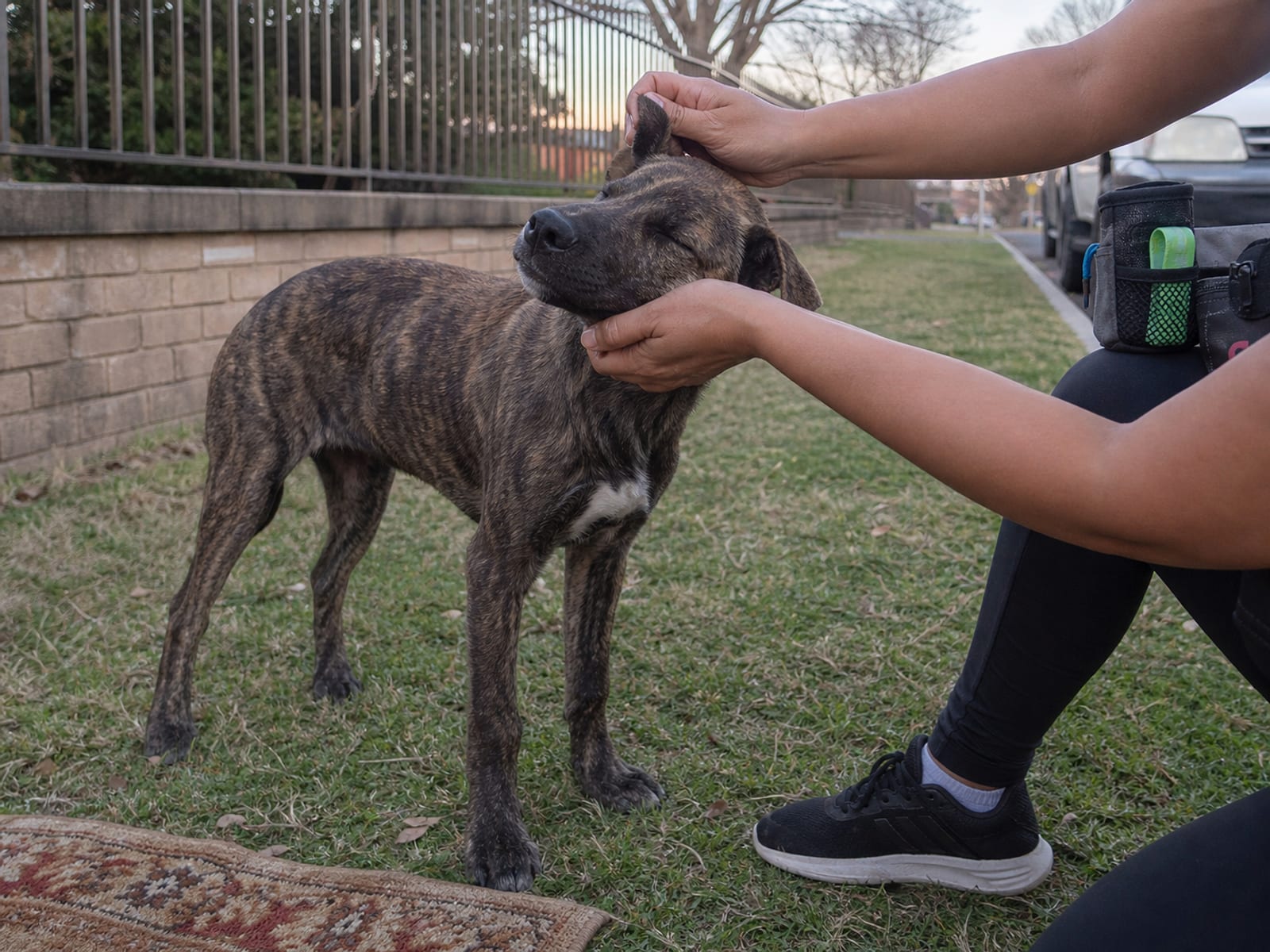
Finding the Right Baltimore Trainer for You
With so many options on the table from group classes to personalized coaching to board and train, finding the best match takes some upfront research.
Ask any prospective dog trainer or facility about:
- Training methodologies and credentials
- Settings they offer instruction in
- Typical curriculum framework and skills taught
- Support they provide to pet owners between sessions
- Availability for follow-up down the road
Be ready to share key context useful for creating a customized plan:
- Your dog's age, breed size, activity level and temperament
- How long you’ve had them and where they came from
- What obedience or manners skills they do and don't yet have
- Any problem behaviors or special needs to address
- Your past experiences training dogs or working with trainers
- Number of people in the household and experience level
- Ideal timeline for achieving your goals
- Maximum budget for private or group training
With clear expectations alignment on both sides, you’re well on your way to an incredible training experience.
Frequently Asked Questions About Dog Obedience Training In Baltimore
At what age should you start leash training a puppy?
Puppies can start structured leash skill lessons as early as 8-10 weeks, but don’t expect perfect loose leash manners until closer to six months old. Start with just brief, engaging short sessions. And stick close to home at first to set them up for success.
Can I take an older rescue dog straight into group classes?
Adult or senior rescue dogs often benefit enormously from public group settings if they have a baseline comfort around other dogs and moderate distraction. Ensure your adult rescue dog passes initial temperament tests with trainer oversight for group class eligibility.
What if my work schedule doesn’t permit bringing my puppy to class?
Reputable training centers offer group puppy classes on evenings, weekends, and sometimes even weekday lunch hours to meet different owners' availability. Private lessons then allow even more flexibility when group timing doesn't align.
How long before my dog masters and retains skills from training?
Consistently rewarded behaviors start becoming habit in as little as 7-14 days, with lifelong retention through ongoing practice. Refresh important cues at least monthly. Follow the trainer's guidance for skill pacing, repetition, and proofing to hit milestones.
Can I attend group classes if my dog isn’t friendly with other dogs?
Dogs lacking sociability around other canines can still hugely benefit from private sessions. Many professionals then help acclimate dogs to group scenarios through carefully managed exposure and confidence building.
What results can I realistically expect from group classes?
It’s reasonable to expect your dog to graduate from beginner group obedience courses with proficiency at basic cues like sit, stay, down, heel, and come. More advanced courses or private training can then expand skills around distractions.
How can I continue dog training after completing classes?
Trainers equip pet owners with specific recommendations for lifestyle integration like practicing short bursts of obedience during walks, before mealtimes, and during play. Refreshers, drop-in social hours, and informal group activities make maintaining manners rewarding.
Final Thoughts
At DW Dog Training, our team of accredited professionals has over 20 years of experience helping Baltimore area dog owners achieve obedient, happy pups. We know that living with a disobedient or anxious dog can be stressful and frustrating. From basic manners to specialized behavioral training, we have successfully transformed hundreds of local dogs using customized approaches backed by the latest science.
If your Baltimore area dog is exhibiting concerning behaviors like aggression, separation anxiety, excessive barking, leash pulling, or more, we encourage you to contact us. Even if you feel you've tried everything, our specialists bring fresh perspectives on reframing your dog's conduct for good. We start by fully evaluating your unique situation to get to the root of unwanted habits. Then we craft tailored training regimens utilizing positive reinforcement techniques your entire household can implement. Our clients are consistently amazed by the responsiveness and good citizenship their dogs demonstrate after working with us.
Reach out now to schedule your initial dog behavioral assessment. As Baltimore's premier dog trainers, we're committed to giving you the tools and knowledge for harmonious coexistence with your four-legged family members. Invest in your dog's education and your own peace of mind today.