Some links in this post are Amazon affiliate links. If you buy through one I may earn a small commission, at no extra cost to you. It never changes what I recommend. Full disclosure.
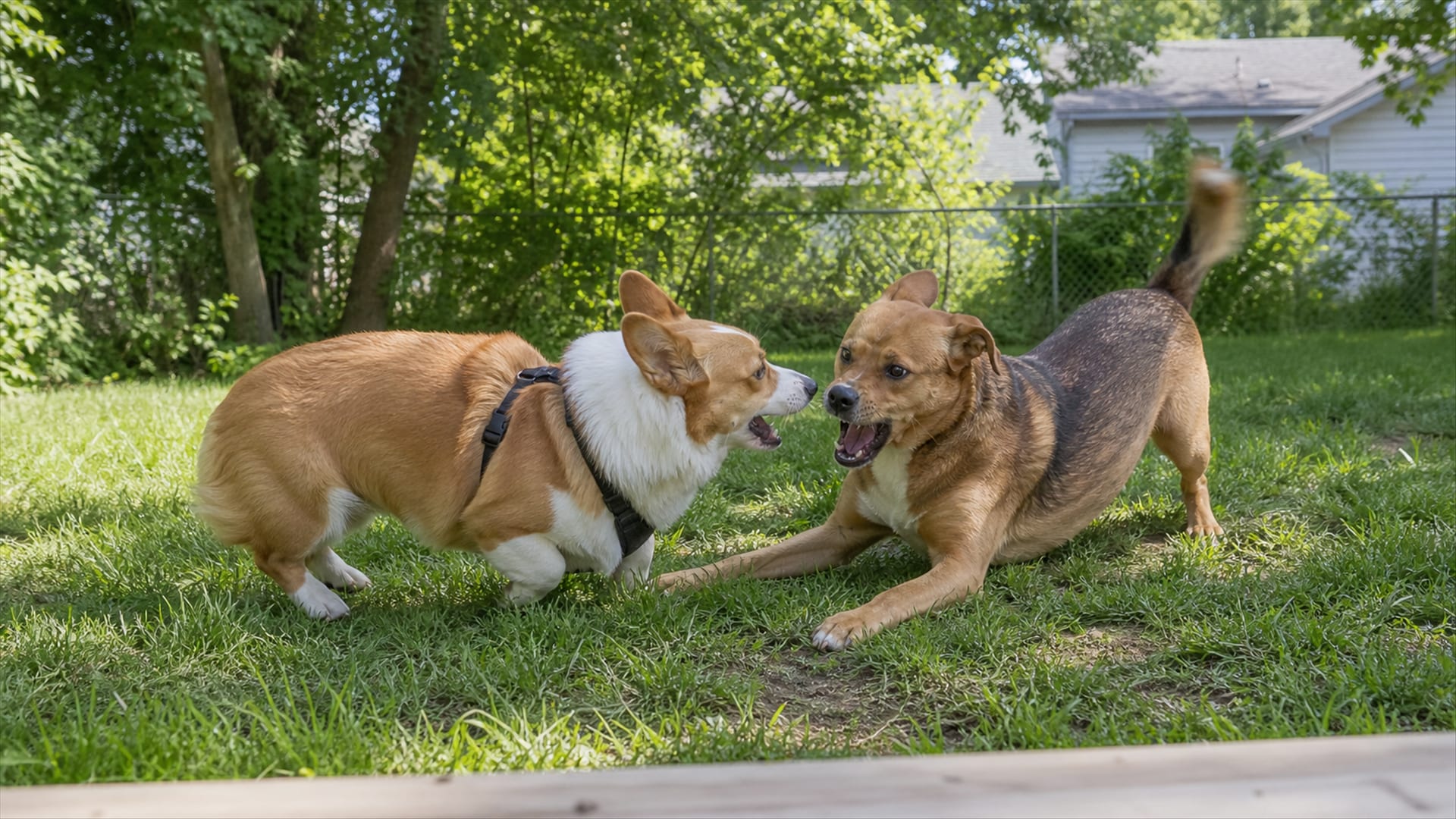
Real play looks loose, bouncy and a little silly. The dogs take turns chasing, they pause, shake off, and both keep choosing to come back for more. A fight looks different: bodies go stiff, the mouths go quiet or the stare goes fixed, one dog stops being able to leave, and the pauses disappear. No single signal settles it, because growling, mouthing and pinning all happen in normal play. What I watch is the whole pattern, and whether both dogs are still free to walk away.
Key takeaways
Hover or tap a card to bring it forward.
- Play is loose and bouncy, with pauses, and both dogs keep choosing to return.
- A fight is stiff, silent or fixed, and one dog cannot leave.
- No single sign decides it; read growls, bows and mouth use with the whole body.
- Call dogs away every 30 seconds to a minute, run the consent test, and end play when either dog avoids.
- In a fight, never grab collars or reach in; use water or a blanket, separate the dogs, and get both checked by a vet.
What normal play looks like
Play is inefficient on purpose. Dogs bounce, curve their bodies, change direction in mid-stride and open their mouths wide, and all of that is slower and sloppier than a serious attack would be. These are the signals I look for, and each one counts for more when it shows up with the others.
The play bow is the classic one: front end down, rear end up. Bekoff's 1995 comparative observations of domestic dogs, wolves and coyotes found bows placed right next to moves that could be mistaken for aggression, such as shaking the head while biting. In a 2016 study by Byosiere, Espinosa and Smuts, 16 adult pet dogs produced 414 play bows across 229 play bouts, and most bows came after a short pause and were followed by renewed play.
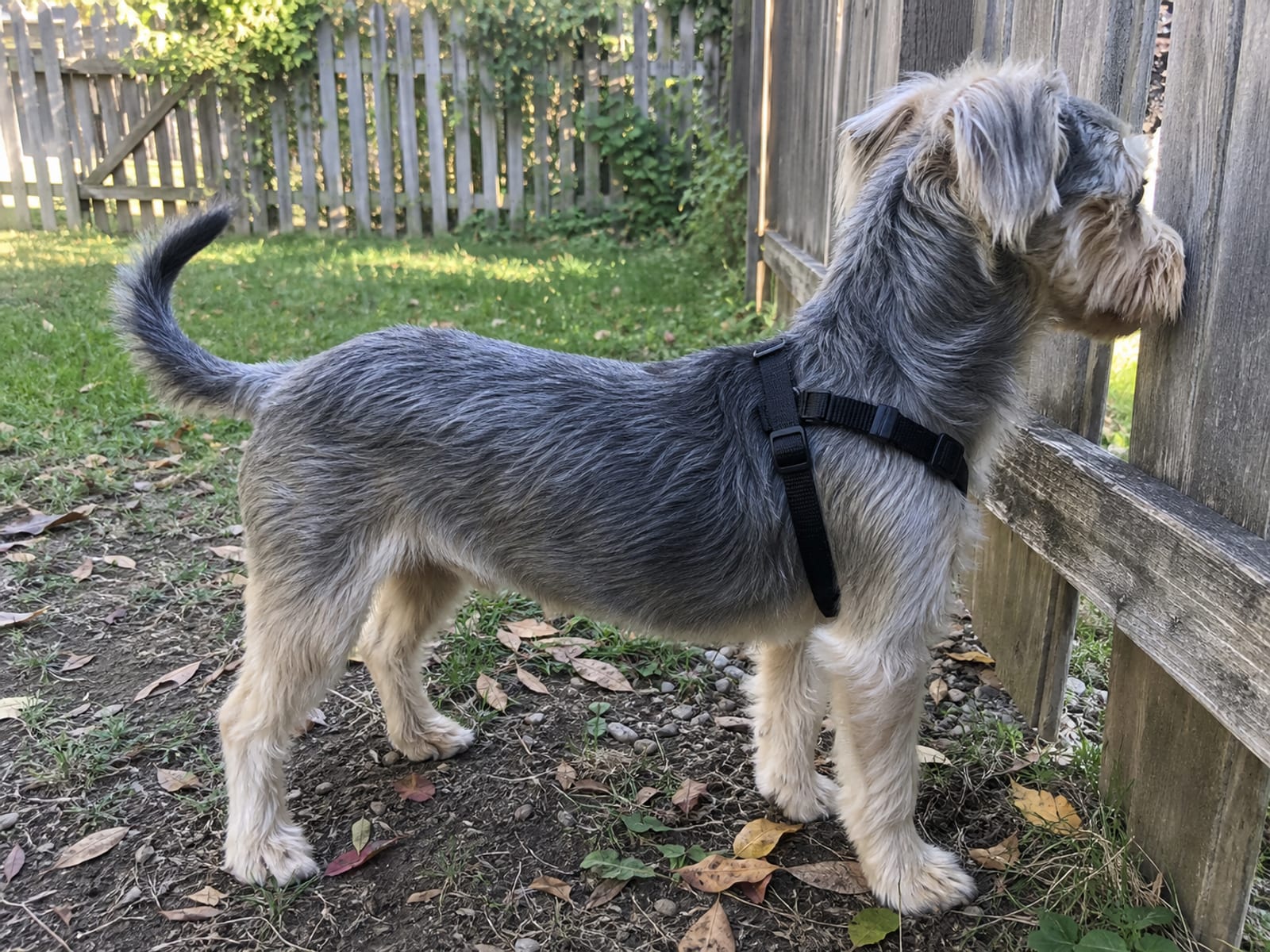
Then there is self-handicapping, where the bigger or faster dog holds back its strength, lies down, rolls over or lets the other dog get close. Related to that is role reversal: the chaser becomes the chased, and the dog on top ends up underneath. Bauer and Smuts studied 55 pairs of adult dogs in 2007 and found that play does not need to be an even trade. Only 5.4% of the pairs played in a perfect 50:50 balance, so one dog doing more of the chasing does not make it a fight. The same study found bows went with self-handicapping more than with mock attacks.
The play face is a relaxed, open mouth with soft muscles around it. Cordoni, Nicotra and Palagi analyzed 203 off-leash play sessions in 2016 and found this relaxed open mouth was especially linked to close-contact play. It is still one signal, and it has to be read with everything around it.
The last piece is the one I trust most: pauses and re-engagement. Dogs stop, shake off, sniff the ground or look away, and then one or both go back in on their own. There is no set number of pauses or role reversals in a healthy play session, and one short stretch without either does not prove anything. What matters is whether both dogs can stop and choose to start again.
Hover or tap a row to highlight it.
| Signal | What it looks like | Keep in mind |
|---|---|---|
| Play bow | Front end down, rear end up | Most bows come after a short pause and are followed by renewed play, but bows can occur next to moves that look like aggression, so read what comes next |
| Self-handicapping | The bigger or faster dog holds back, lies down, rolls over or lets the other dog get close | Bows went with self-handicapping more than with mock attacks |
| Role reversal | The chaser becomes the chased, or the dog on top ends up underneath | Play does not need to be an even trade; only 5.4% of pairs played in perfect 50:50 balance |
| Play face | Relaxed open mouth with soft muscles | Especially linked to close-contact play; still one signal, read with everything around it |
| Pauses and re-engagement | Dogs stop, shake off, sniff or look away, then go back in on their own | What matters is that both dogs can stop and choose to start again |
Growling during play
Play is noisy. Growls, barks, yelps and loud mouthing all show up in normal wrestling, so the sound alone will not tell you which one you are hearing.
In 2010, Faragó and colleagues recorded growls from dogs playing, guarding a bone and reacting to a threatening stranger. The play growls differed from the other two in pitch and in the spacing of the sound's frequency bands, and in playback tests the bone-guarding growls kept dogs away from a bone better than the stranger growls did. That is a lab result about recorded sounds, and it does not hand an owner a simple growl detector at the dog park.
So, read the growl with the body. A low, sustained growl matters when it comes with stiffness, a hard stare, weight pushed forward, freezing, repeated pinning or one dog trying to get away. The same growl on a bouncy dog with a loose body, who then runs off and comes back, is just noise.
When play starts tipping over
The American Veterinary Society of Animal Behavior describes stiff posture and a hard stare as warning signs, and the Shelter Playgroup Alliance lists several signs that mean the session should end right away. Together they make a checklist you can scan in the moment. If you want the full picture of what these behaviors look like away from play, I cover that in my post on the signs of aggression in dogs.
- A loose body turns stiff, still or forward-weighted.
- A hard stare, fixed eye contact, or a stiff neck and chest.
- Full hackles together with tension, staring or forward movement. Hackles alone mean little, since excitement and fear raise them too.
- Pinning without release, especially when the dog underneath cannot get up or the dog on top will not let go.
- One dog keeps trying to leave, hide, turn away or retreat while the other follows.
- One-sided chasing, with no pauses and no role changes.
- Vocal intensity that climbs, a sudden change in tone, snarling or snapping with a tense face and body.
- Silent, fast, focused intensity. Quiet is not a safe sign.
- Bites that are fast, forceful or painful, or that leave punctures.
- The dogs cannot be called away or separated without things getting worse.
Mismatches raise the stakes. Dogs of very different sizes can hurt each other with a pin or a collision even when both want to play, and dogs of different ages have different stamina and patience. The Ward, Bauer and Smuts litter study of 2008 followed four litters of puppies from about 3 to 40 weeks and found that play changes with age, so puppy play should not be judged by adult standards. VCA advises sorting daycare dogs into groups matched by size and temperament, and the Shelter Playgroup Alliance recommends picking compatible partners. Breed labels predict very little about how an individual dog plays. Judge the dog in front of you by its size, arousal, physical style, age, confidence and willingness to stop.
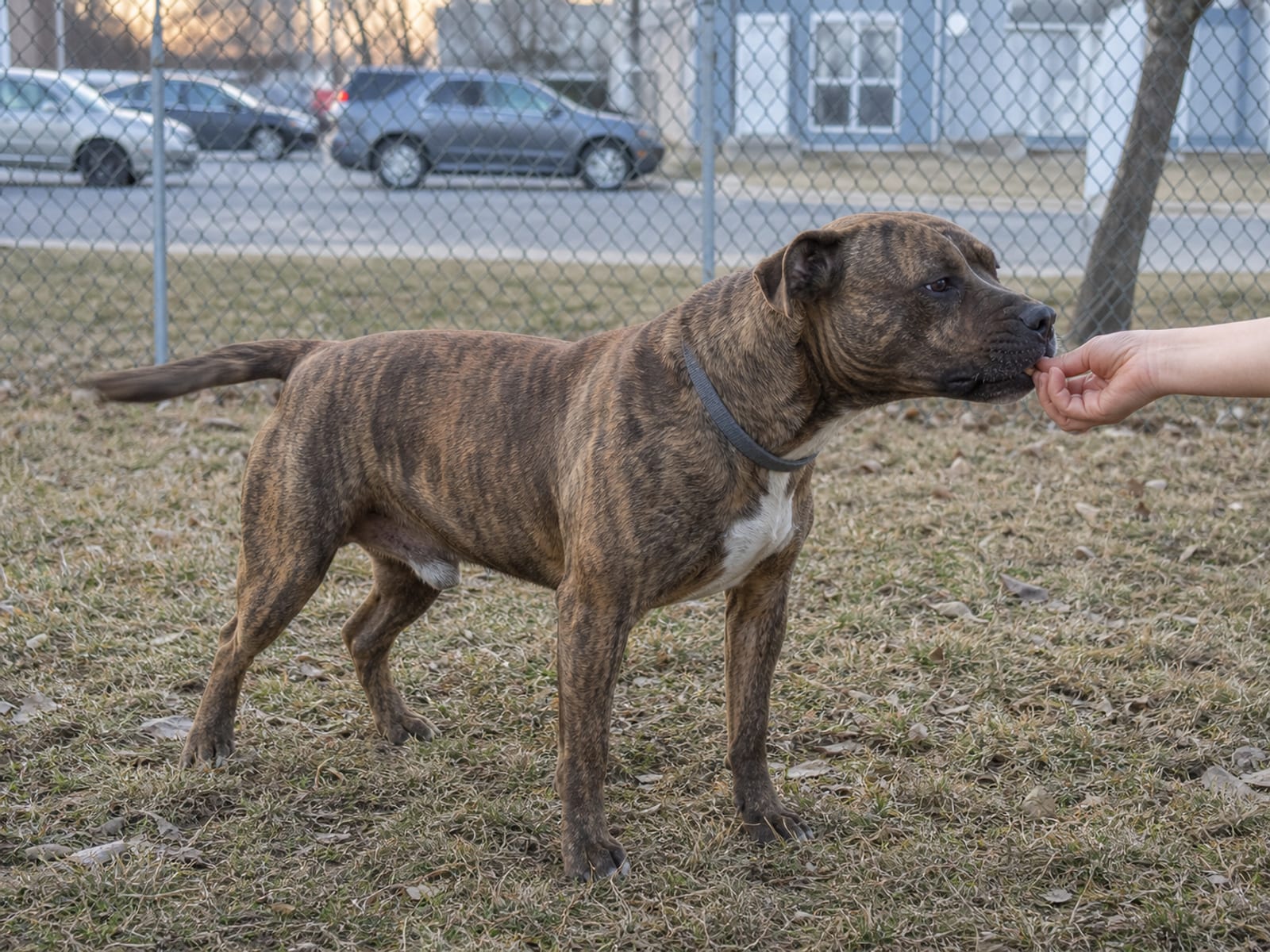
If one dog in a pair is regularly the one who gets pushed past what it can handle, it helps to know why dogs turn aggressive in the first place, which I go through in the causes of dog aggression.
Hover or tap a row to highlight it.
| Look at | Healthy play | Tipping toward a fight |
|---|---|---|
| Body | Loose and bouncy, with curves and changes of direction | Stiff, still or forward-weighted |
| Face | Relaxed open mouth with soft muscles | Hard stare, fixed eye contact, or a stiff neck and chest |
| Hackles | Can rise from excitement alone | Full hackles together with tension, staring or forward movement |
| Pinning | The dog on top ends up underneath, and roles switch | Pinning without release, or the dog underneath cannot get up |
| Chasing | Takes turns, with pauses | One-sided, with no pauses and no role changes |
| Escape | Both dogs can leave and keep choosing to come back | One dog keeps trying to leave, hide or turn away |
| Sound | Noisy, on a bouncy dog who runs off and comes back | Rising intensity, a sudden change in tone, snarling, or silent, fast and focused |
| Calling away | Dogs can be called away | Dogs cannot be called away or separated without things getting worse |
How to step in before it escalates
You do not have to wait and see. The Shelter Playgroup Alliance suggests calling dogs out of play at regular intervals, about every 30 seconds to a minute, rewarding them with their handlers and then letting them go back. It calls coming away from play a critical skill, and it says to end play when a dog becomes uncomfortable or avoids the other dog, rather than letting the dogs work it out themselves. Horwitz and Landsberg, both veterinary behaviorists, recommend calling, redirecting or asking for another behavior when a fight looks likely, for example calling the pushier dog to come, sit and stay and paying for it.
The consent test is the simplest check I know, and it comes from the same Playgroup Alliance guidelines. Here is how it goes:
1. Take both dogs out of the interaction with a recall cue, a squeaky toy followed by food, or a gentle leash guide followed by food. 2. Wait until both dogs are apart and paying attention to their handlers. 3. Let them go and watch whether both walk back toward each other on their own. 4. Continue only if both choose to approach. 5. End it if either dog shows avoidance or displacement behavior, such as walking off, hiding, freezing or repeatedly turning aside.
A dog that will not come back is telling you no. Respect it, even when the other dog is dying to go again.
When play gets too intense but nobody is in danger yet, use a short time-out. Separate the dogs calmly, let their energy drop, and let them back together only if both rejoin with loose bodies. If either one avoids the other, play is over for the day.
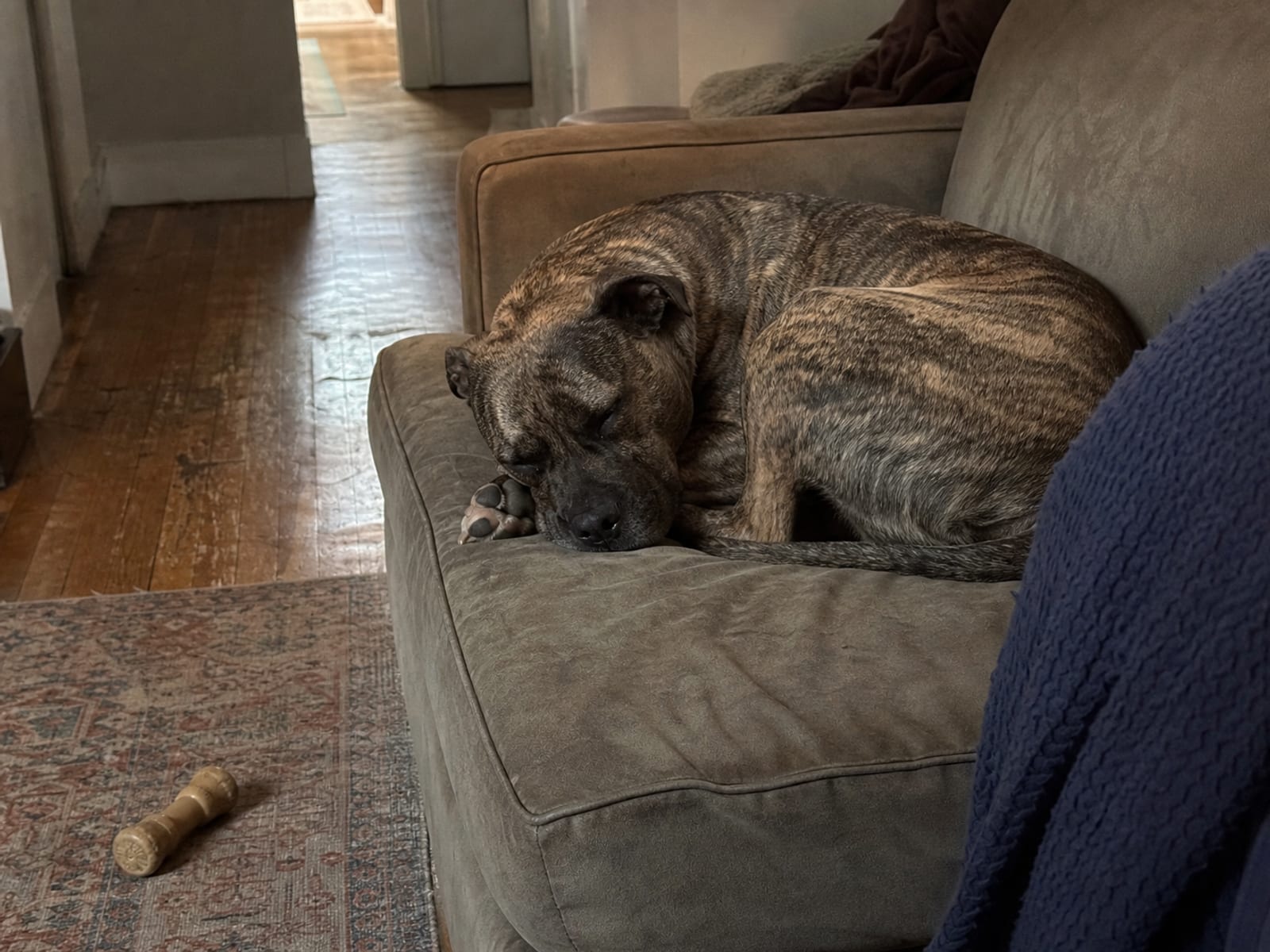
The Consent Test
- Take both dogs outUse a recall cue, a squeaky toy followed by food, or a gentle leash guide followed by food.
- Wait for the pauseWait until both dogs are apart and paying attention to their handlers.
- Let them goRelease them and watch whether both walk back toward each other on their own.
- Continue only if both chooseBoth dogs must approach for play to carry on.
- End it if either avoidsWalking off, hiding, freezing or repeatedly turning aside means play is over.
What to do in a real fight
Your safety comes first. Do not reach between fighting dogs, grab collars, pick up one dog or put your hands near mouths. VCA warns that a highly aroused dog may redirect onto the person pulling it away, and that is how a lot of owners end up with bites.
Use distance instead. VCA lists spraying the dogs with a hose, pouring a bucket of water over them, or tossing a heavy blanket over small dogs. If both dogs already have leashes on, they can usually be pulled apart, and VCA describes lifting the hind legs and walking backward as one way to separate them. That still carries risk, so skip it if you cannot do it safely. No method is safe in every situation, so keep your distance, use barriers, and call for help.
Once the dogs are apart:
- Put them in separate spaces.
- Do not reintroduce them right away.
- Have every dog in the fight checked by a vet, because punctures close quickly and can hide deeper injury. Go to emergency care for bleeding you cannot stop, trouble breathing, weakness, crying, limping, or wounds near the eyes, mouth or ears.
- If a person was bitten, get medical care for them too.
Once things are calm, the longer-term work is in my guide to stopping aggressive behavior in dogs.
In a Real Fight
- Keep your hands awayDo not reach between dogs, grab collars, pick up one dog or put your hands near mouths. A highly aroused dog may redirect onto the person pulling it away.
- Use distanceSpray the dogs with a hose, pour a bucket of water over them, or toss a heavy blanket over small dogs. Keep your distance, use barriers and call for help.
- Separate themPut the dogs in separate spaces and do not reintroduce them right away.
- Get every dog checkedPunctures close quickly and can hide deeper injury, so every dog in the fight sees a vet. Go to emergency care for bleeding you cannot stop, trouble breathing, weakness, crying, limping, or wounds near the eyes, mouth or ears.
- Care for any person bittenIf a person was bitten, get medical care for them too.
Rough play with people, and puppy mouthing
Puppies mouth fingers, sleeves and ankles because they are teething, exploring and playing. The American Animal Hospital Association lists pouncing, rolling, rough-and-tumble play, mouthing, grabbing and growling as part of normal puppy development, and if you are still deciding which pup to bring home, my post on choosing the right puppy covers what to look for.
The ASPCA says most mouthing is normal and separates it from biting by the overall pattern. Playful mouthing comes with a relaxed face and body and lighter pressure. Concerning biting comes with a stiff body, a tense face, a wrinkled muzzle, bared teeth, fear or frustration, and quicker, harder bites. Mouthing that continues into adulthood, breaks skin, goes for the face or hands, cannot be interrupted, or comes with stiffening or guarding needs a professional.
For puppy mouthing, the ASPCA's method is simple: the moment teeth touch skin, the play ends and you walk away for 30 to 60 seconds, then calmly start again. Redirecting to a toy and supervising contact help too.
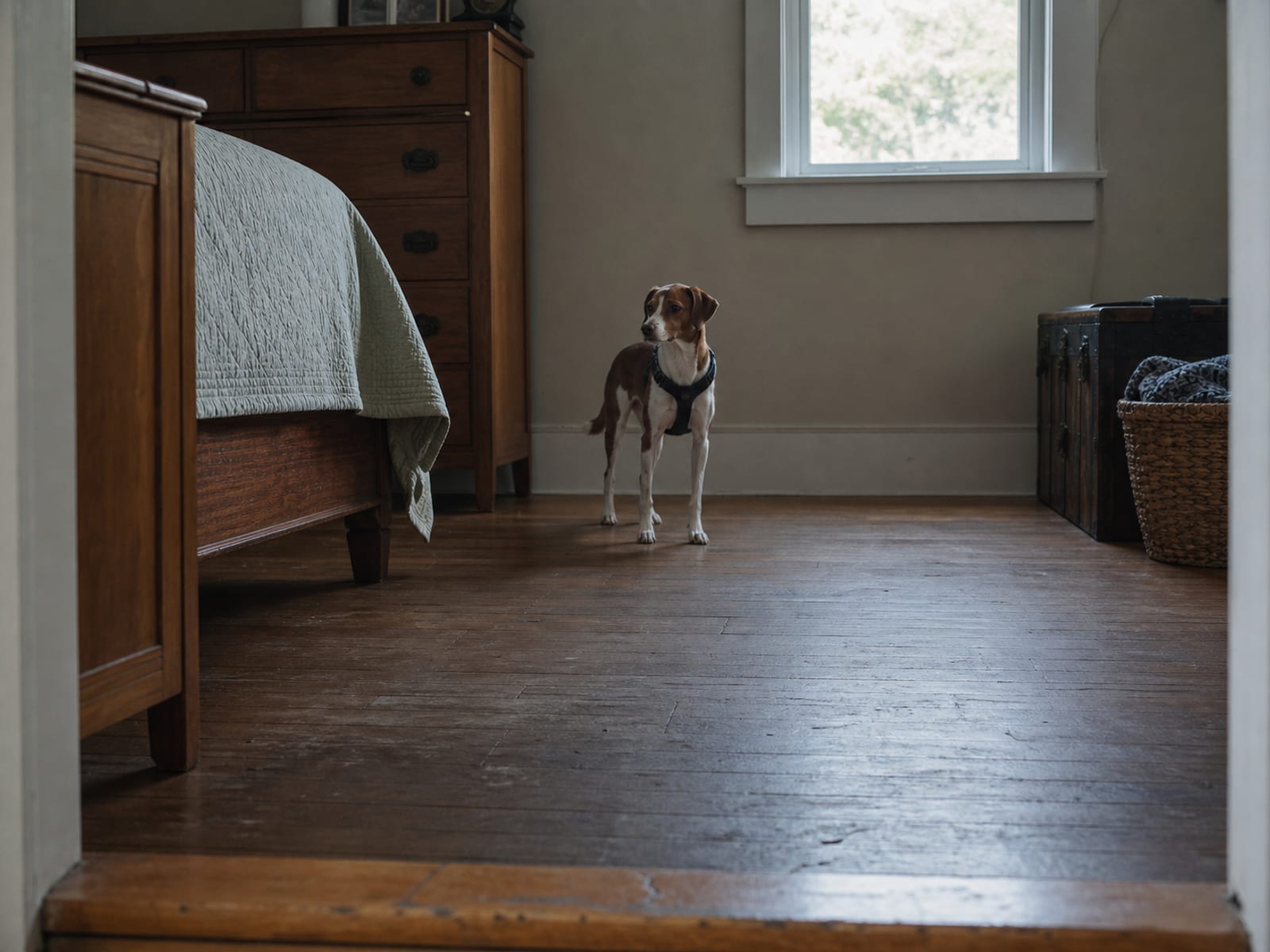
Kids need extra care here. A dog that mouths or bites during play should never be left alone with a child, and I go further into that in my post on dog aggression toward children.
Hover or tap a row to highlight it.
| Look at | Playful mouthing | Concerning biting |
|---|---|---|
| Body | Relaxed | Stiff |
| Face | Relaxed | Tense, with a wrinkled muzzle or bared teeth |
| Pressure and speed | Lighter pressure | Quicker, harder bites |
| Emotion | Play | Fear or frustration |
| Age and pattern | Part of normal puppy development | Continues into adulthood, breaks skin, goes for the face or hands, cannot be interrupted, or comes with stiffening or guarding |
When to get help
Get a professional involved when:
- A dog has bitten a person or another dog, especially if the skin broke.
- Play keeps escalating even though you interrupt it.
- One dog keeps trying to escape and the other will not stop.
- A dog shows stiffening, hard staring, lunging, snapping or guarding.
- A social dog suddenly turns aggressive. Check with your vet first, because the Merck Veterinary Manual lists pain, neurological disease, sensory loss, thyroid and other endocrine disease among the medical causes of behavior change, and body language alone cannot diagnose any of them.
- You cannot safely handle, recall or separate the dog, or you cannot reliably keep the dogs apart.
- Children or vulnerable adults are around the behavior.
- A fight has already happened and you need a safety plan.
FAQ
Is a play bow always a sign the dogs are playing?
No. Bekoff's work found bows right next to behaviors that could be mistaken for aggression, and a bow can occur in a tense interaction. Look at what comes next: loose bodies, pauses and both dogs coming back.
Does a quiet fight mean the dogs are fine?
No. Silent, fast, focused intensity is on the Shelter Playgroup Alliance's list of reasons to stop play. A tense dog that stops making noise is often more worrying than a noisy one that bounces.
Should I let dogs work it out themselves?
Not once either dog is uncomfortable or trying to avoid the other. The Shelter Playgroup Alliance says not to let dogs work it out, and recommends ending play right away when avoidance or aggression appears.
Can a vet visit be part of this?
Yes. AVSAB advises a veterinary exam for any sudden behavior change, and examination, imaging, blood tests or urine tests may be part of it. Pain is a common reason a once-friendly dog starts snapping.
Check What You Picked Up
What is the simplest check that both dogs want to keep playing?
Which is a reason to end play right away?
How often does the Shelter Playgroup Alliance suggest calling dogs out of play?
What should you do in a real fight?
When a puppy's teeth touch your skin in play, what does the ASPCA suggest?
What is the first step if a social dog suddenly turns aggressive?
Answer a question to see your score.
Final Thoughts
I work on dog-to-dog problems in lessons and in board and train in my own home, and the first step is an evaluation visit. If your dogs are heading from play toward trouble, contact DW Dog Training and we will go through what you are seeing.