Some links in this post are Amazon affiliate links. If you buy through one I may earn a small commission, at no extra cost to you. It never changes what I recommend. Full disclosure.
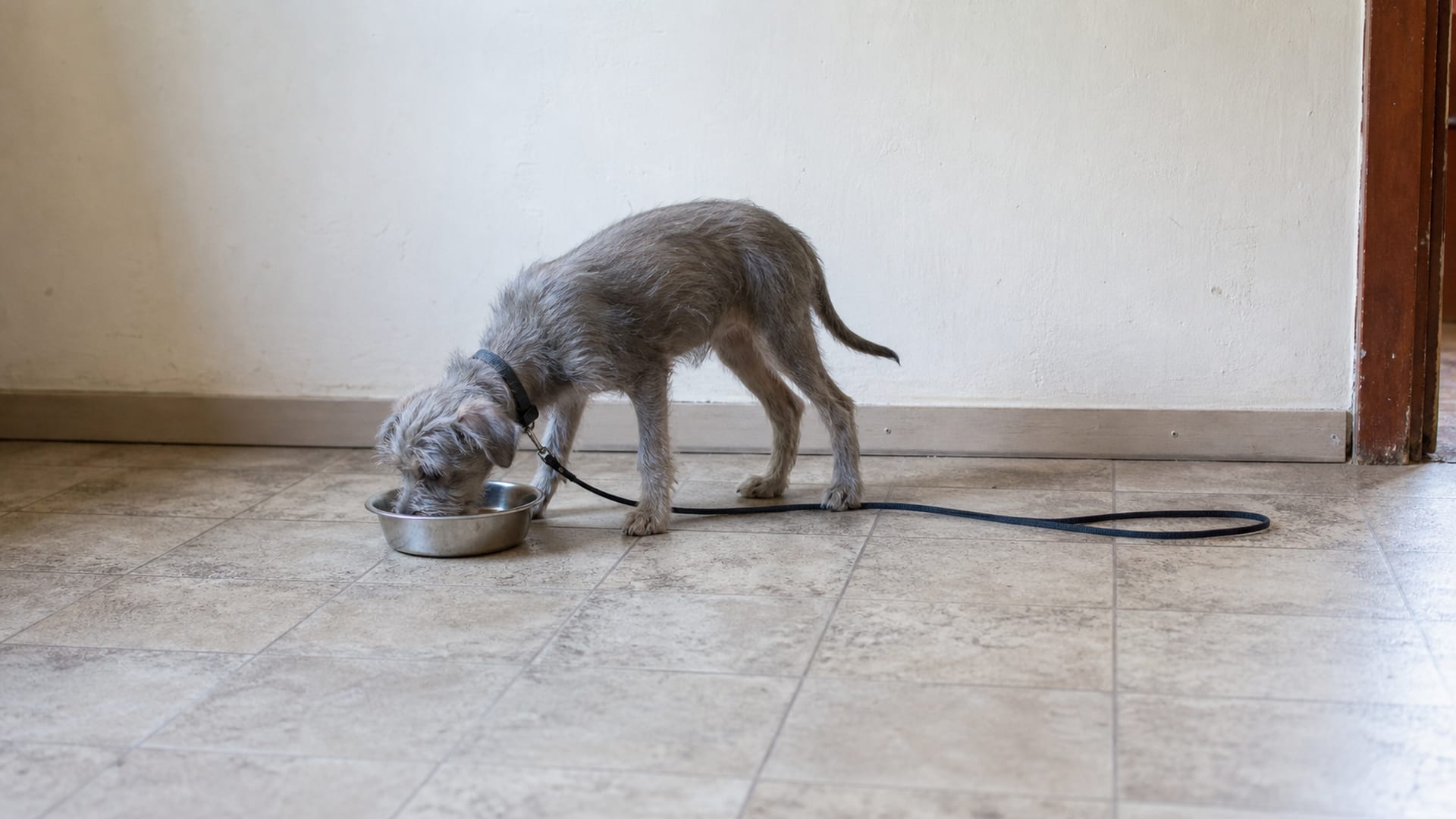
A puppy that stiffens, gulps its food or growls over a chew is communicating, not proving it is aggressive. Your job in these first weeks is to teach the puppy that a person walking up to its bowl means something good is about to happen, and to stop doing anything that makes food a contest. Fights between household dogs are a separate problem, and I cover them in 5 Proven Strategies to Stop Your Dog's Aggression Towards Other Dogs.
Key takeaways
Hover or tap a card to bring it forward.
- A growl or stiff body over food is a puppy asking for space, and punishing it removes the warning, not the problem.
- Feed each puppy where it can eat without competition, away from children, visitors and other pets.
- Practise adding food, trading up and "drop it" with low-value items first, and never grab or take the bowl from an eating puppy.
- Sudden guarding, guarding that spreads, or guarding with appetite or touch changes goes to the vet first.
- Any bite, near-bite, lunging at people or a child in the home means separation and professional help, not home practice.
What guarding is, and what puppies guard
An expert-opinion paper in Frontiers in Veterinary Science (2018) defines resource guarding as "the use of avoidance, threatening, or aggressive behaviors by a dog to retain control of food or non-food items in the presence of a person or other animal." The items can be food bowls, chews, bones, toys, stolen objects, beds, resting places, and sometimes people or other animals in the home.
What a puppy guards depends on the puppy, how much it wants the item, how hungry it is, what has happened around that item before, and how threatened it feels. VCA describes staring, freezing, eating fast and growling as the puppy asking a person or animal to respect its space. The concern rises when the behavior escalates, spreads across several kinds of items, is aimed at people, involves lunging or biting, or makes it unsafe to run the household.
What the warning signs look like
Dogs Trust, VCA and AVSAB list the early signs as lip licking, whale eye (the whites of the eyes showing), a tense face or body, standing over the item, body blocking, staring, lowering the body over the item, running off with it, and eating quickly. The louder signs are freezing, a hard stare, side-eye, growling, barking, lifting the lips, snarling, lunging, snapping and biting.
Do not count on that order. Some puppies go from a stiff body straight to a snap, especially if they are approached closely, cornered, touched or repeatedly challenged. If you want to get better at reading the whole dog, Decoding Your Dog: 15 Body Language Signals You Need to Know is a good place to build the habit.
A growl is a warning, and a puppy that gives one is telling you something useful. Punishing it can remove the warning while leaving the conflict underneath, which is the opposite of what you want. If you think the puppy might bite, make some distance and get professional help.
Hover or tap a row to highlight it.
| Early signs | Louder signs |
|---|---|
| Lip licking | Freezing |
| Whale eye, the whites of the eyes showing | A hard stare or side-eye |
| A tense face or body | Growling or barking |
| Standing over the item or body blocking | Lifting the lips or snarling |
| Lowering the body over the item | Lunging or snapping |
| Running off with the item or eating quickly | Biting |
How common is it, and will a puppy outgrow it?
The numbers that exist come from shelters and owner questionnaires, not from ordinary household puppies, so read them with that limit in mind. A study of 77 United States shelters reported food guarding in 7% to 30% of dogs, averaging 14%. A later study across nine shelters, described in Animals (2019), classified 17% of behaviorally evaluated dogs as food guarders. An owner questionnaire covering 485 households and 690 dogs, aged from eight weeks to more than 11 years, linked food-related aggression to an older age at acquisition. A shelter study using direct evaluations found adults and seniors more likely than juveniles to guard food.
None of that tells you what a particular puppy will do. Guarding has been described in puppies only a few weeks old, and nobody can promise that a puppy will fade out of it or keep it. So, do not wait for it to go away. Treat early guarding as worth working on now, without treating it as inevitable or as something every puppy does.
Hover or tap a row to highlight it.
| Who was looked at | What was found |
|---|---|
| Dogs in 77 United States shelters | Food guarding in 7% to 30% of dogs, 14% on average |
| Behaviorally evaluated dogs in nine shelters | 17% classed as food guarders |
| 690 dogs in 485 households, aged eight weeks to over 11 years | Food-related aggression linked to an older age at acquisition |
| Shelter dogs given direct evaluations | Adults and seniors more likely than juveniles to guard food |
Why it may start
The ASPCA notes that young puppies can compete with littermates over limited food, and that a shared pan can let one or two puppies take most of it. That is a professional recommendation, not a controlled experiment. A 2026 survey of Canadian and American dog breeders, published in a cross-sectional study of breeder resource management, found breeders reporting fast eating, pushing, body blocking, threats and aggression around food, more often between littermates than toward people. Because breeders chose the feeding setups and reported the behavior themselves, that survey cannot show that a feeding arrangement caused guarding later in life.
What it does give you is a simple rule for your own house: feed each puppy so it can eat without competition, watch how much it is eating, and never set up a contest over food on purpose.
The ten steps
These steps are prevention for a puppy that is relaxed around its food and not showing guarding. They are not a treatment for a puppy that already stiffens, growls, snaps or bites.
Step 1: Give every puppy a calm place to eat
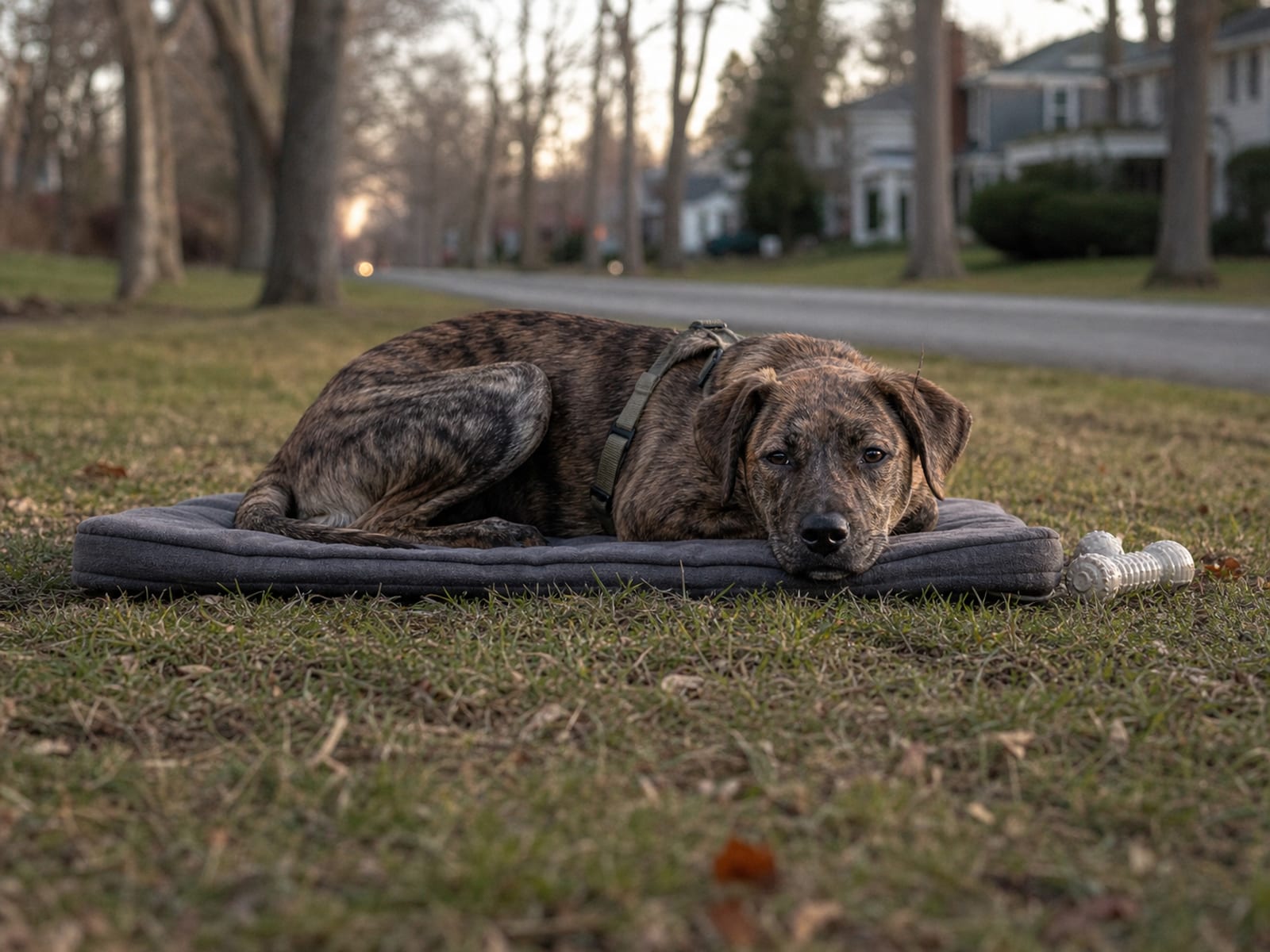
Feed away from children, visitors and other pets. VCA suggests a crate, a baby gate or a separate room. Each puppy gets its own bowl and its own space, and nobody has to hurry to finish before someone else arrives. If your puppy is new to the household, this is also a good moment to read 10 Essential Tips for Socializing Your Puppy (And What NOT to Do!), because early handling and early meals shape each other.
Step 2: Rule out a medical cause when guarding is sudden
If a puppy that used to eat calmly suddenly guards, or the guarding spreads to new objects or people, call your veterinarian before you call a trainer. Dogs Trust, the Merck Veterinary Manual, AAHA and AAHA/AAFP pain-management guidelines all point to pain and illness as possible contributors. In puppies that can mean sore teething gums, an injury, stomach upset, parasites, a feeding amount that is off, or pain when touched. Get the puppy checked promptly if the guarding comes with appetite or stool changes, vomiting, weight change, lethargy, limping, or sensitivity to touch. A puppy that swallows non-food objects or eats dangerously fast needs veterinary advice too.
Step 3: Walk past the bowl and add food
This one comes from AVSAB. While the puppy eats, walk by at a safe distance, say its name in a pleasant voice, and the moment it looks up, drop something better into the bowl. After many relaxed repeats, teach the puppy to step away from the bowl briefly, get the better food, and go back to eating. The puppy learns that your approach predicts an upgrade, not a loss.
Step 4: Build bowl work in small stages
The AKC recommends handling the dish and adding something special so the puppy learns that a person near the bowl predicts an improvement. The ASPCA describes a gradual move from hand-fed meals, to food from a bowl you hold, to putting the bowl on the floor and now and then adding better food. Stop if the puppy shows any discomfort or wariness, slow down, and make the next step smaller.
The sources differ on how long to hand-feed. The ASPCA suggests several meals for a calm, comfortable new puppy; the AKC says to hand-feed every bit of every meal for a couple of weeks. Either way, these are prevention plans for puppies without a guarding problem, and hand-feeding is not a fix for a puppy already stiffening or growling.
Step 5: Trade up, never grab
When your puppy has a toy, chew or stolen object, offer a trade for a treat or another item that is as good or better. Dogs Trust gives a clear method. Throw the swap item past the puppy, wait for the puppy to move away from the original, pick the original up calmly, and give it back when it is safe to do so. Taking things away and never giving them back teaches the puppy that hands near its stuff are bad news.
Step 6: Teach "drop it" with a payday
PAWS Chicago describes asking for "drop it," giving several treats when the puppy lets go of a chew, and then letting the puppy have the chew back once the treats are gone. The puppy learns that letting go costs nothing and pays well.
Step 7: Start with boring objects
Practise the trade and the drop with low-value items first, such as an ordinary toy the puppy likes but does not love, before you ever touch a bone or something stolen. A puppy in a group class can pick up good habits around other people and dogs, so puppy training classes in Baltimore can help you choose one that suits your puppy. Sit, down and stay are handy management skills for these exercises, but they will not fix a puppy that is already guarding.
Step 8: Skip the moves that create competition
Do not repeatedly take food from a puppy while it eats. AVSAB warns that "repeatedly jumping in to take food away from an eating dog might actually teach defensive aggression and resource guarding by creating perceived competition over the bowl." VCA agrees: "Do not attempt to take your dog's food bowl away from them while they're eating, as this could result in bites."
Do not punish a growl either. VCA's point is that the growl is the warning, and removing it leaves you with a puppy that has stopped warning you and still feels the same way. Never drag a puppy off an item, and never corner it with a leash.
Step 9: Keep children and guests out of the contest
Children should never approach a dog that is eating or sleeping. The ASPCA calls a guarding dog in a home with children "unacceptably risky," because children may miss warning signals or behave unpredictably. The AKC adds that a dog showing serious aggressive body language over food should eat in a private, closed-off area with no children present during meals or treats. PAWS Chicago recommends a crate, a barrier or a separate room whenever guests and food are around, even if the dog relaxes around your own family.
In a home with more than one dog, give special chews, bones and high-value food only when the dogs are apart. The AKC says every dog should get its own special item, and anything that causes real fights should be removed when the dogs are together.
Step 10: Keep your distance and know when to stop
A tether, a leash or a long line can help you keep distance, block access to hazards and manage the puppy in a structured session. PAWS Chicago's protocol starts with a tethered dog about 6 to 8 feet away, toss high-value treats, and closes the distance only while the dog stays relaxed; if you see freezing, a hard stare or growling, back up and slow down. That protocol is meant for mild or moderate cases where the dog has not bitten, unless a certified canine professional is supervising.
If your puppy is already guarding and you want to know what to try at home, 5 Simple Hacks to Stop Your Dog's Resource Guarding goes through safe first moves. If there has been a bite, skip the practice and call someone.
Building bowl work in small stages
- Hand-fed mealsStart with food from your hand. The ASPCA suggests several meals for a calm new puppy; the AKC says every bit of every meal for a couple of weeks.
- Food from a bowl you holdMove to feeding from a bowl in your hands while the puppy stays relaxed.
- Bowl on the floorSet the bowl down and now and then add better food while the puppy eats.
- Walk past and add foodWalk by at a safe distance, say the puppy's name pleasantly, and drop something better into the bowl the moment it looks up.
- Step away and come backAfter many relaxed repeats, teach the puppy to step away from the bowl briefly, get the better food, and go back to eating.
- Slow down at any sign of warinessIf the puppy shows any discomfort, stop and make the next step smaller.
Tools, collars and what I do
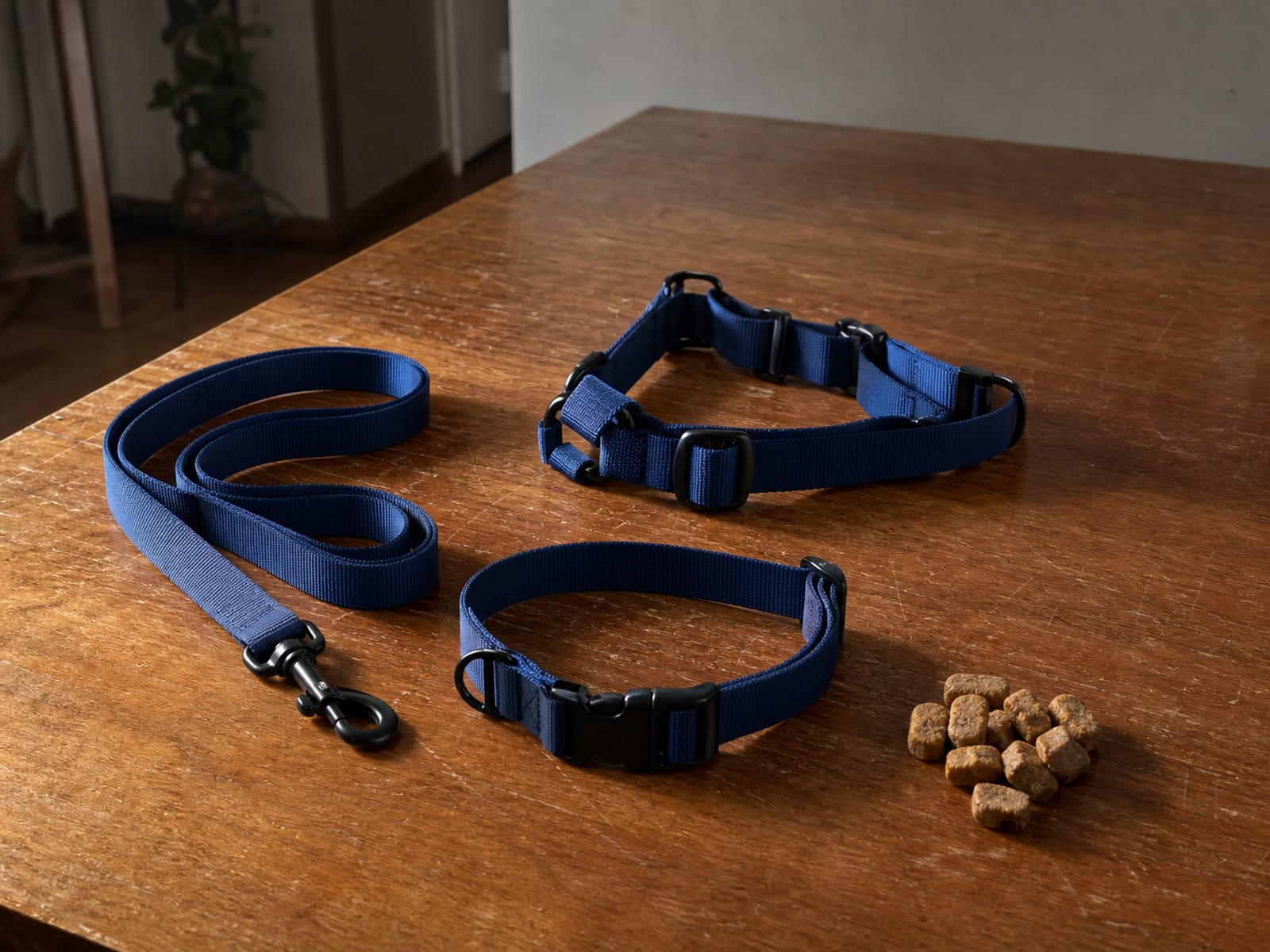
AVSAB's position is that aversive methods, including electronic collars, prong collars, choke chains, leash corrections and physical or psychological punishment, should not be used in dog training or behavior modification. AAHA says aversive techniques can suppress warning signals and make an aggressive dog more dangerous. My own training includes e-collar work among other tools. For a guarding puppy, though, I start with distance, management, reward-based practice and an assessment, not a collar.
When to get help
Get professional help when a puppy has bitten or made skin contact, has tried to bite, lunges at people, guards people or spaces, guards several kinds of items, gives little or no warning, gets worse despite careful management, or cannot be approached safely. PAWS Chicago says not to work on it alone if a bite has happened or may happen again. The ASPCA says the same for a dog likely to bite or with a bite history. The AKC recommends help when a dog growls or lunges at people while eating or holding a treat.
If there is a child in the home, separate the puppy from the child; do not ask the child to practice. And if the change is sudden, the vet comes first.
Credentials matter here. A DACVB, a Diplomate of the American College of Veterinary Behaviorists, has advanced veterinary behavior training and can diagnose medical contributors, build behavior plans and prescribe medication. A CAAB, a Certified Applied Animal Behaviorist, has graduate-level education and applied experience; a CAAB cannot prescribe, so they work with your vet. A trainer credential such as a CPDT does not by itself show experience with aggression, so ask what cases the person has handled, what methods they use, what their safety plan is and which veterinarian or veterinary behaviorist they refer to. "Behavior consultant" is not a protected title, per AVSAB's guide to selecting a behavior consultant and the ASPCA. You can find veterinary behaviorists through the AVSAB directory and the ACVB member search.
Hover or tap a row to highlight it.
| Credential | What it means |
|---|---|
| DACVB | A Diplomate of the American College of Veterinary Behaviorists. Has advanced veterinary behavior training, can diagnose medical contributors, build behavior plans and prescribe medication |
| CAAB | A Certified Applied Animal Behaviorist. Has graduate-level education and applied experience, cannot prescribe, and works with your vet |
| CPDT | A trainer credential. It does not by itself show experience with aggression, so ask what cases the person has handled |
| "Behavior consultant" | Not a protected title, so ask about methods, safety plan and which veterinarian they refer to |
Frequently asked questions
Is it normal for a puppy to growl over its food bowl?
It is common enough to take seriously and not rare enough to ignore. A growl is a warning that the puppy wants space, and it is worth responding to with distance and the exercises above, not with punishment.
Should I take the bowl away so my puppy learns I'm in charge?
No. AVSAB says repeatedly taking food from an eating dog can create perceived competition over the bowl, and VCA says taking the bowl while the dog eats could result in bites. Add something better to the bowl instead, and let the puppy finish.
Do I need a vet visit for a guarding puppy?
Yes when it is sudden, when it spreads to new items or people, or when it comes with appetite, stool, vomiting, weight, energy, limping or touch changes. Teething pain, injury, stomach illness and parasites are all possible contributors, and a veterinarian decides which tests are needed.
When is guarding too much to handle at home?
Any bite, skin contact or attempted bite, lunging at people, guarding of people or spaces, guarding of several kinds of items, little warning, or a puppy that cannot be approached safely. A child in the home makes the bar lower, not higher, so separate first and get a qualified person involved.
Check what you picked up
What is the right response to a puppy that growls over its food?
What should you do while a relaxed puppy eats, according to the walk-past step?
When should a vet visit come before a trainer?
Which of these means separate the puppy and get professional help instead of practicing at home?
What is the point of trading up when a puppy has a stolen object?
Answer a question to see your score.
Final Thoughts
If your puppy's guarding needs more than advice from a page, I offer an evaluation visit, in-home lessons, and board and train in my own home. Please mention any bite or near-bite on the first call so I can plan around it. You can reach DW Dog Training through the contact page.